Glipzo
WorldTechnologyBusinessSportsEntertainmentScienceHealthPolitics
Glipzo
WorldTechnologyBusinessSportsEntertainmentScienceHealthPolitics
  1. Home
  2. /
  3. Business
  4. /
  5. LPG Cylinder Prices on March 26: What You Need to Know
LPG Cylinder Prices on March 26: What You Need to Know

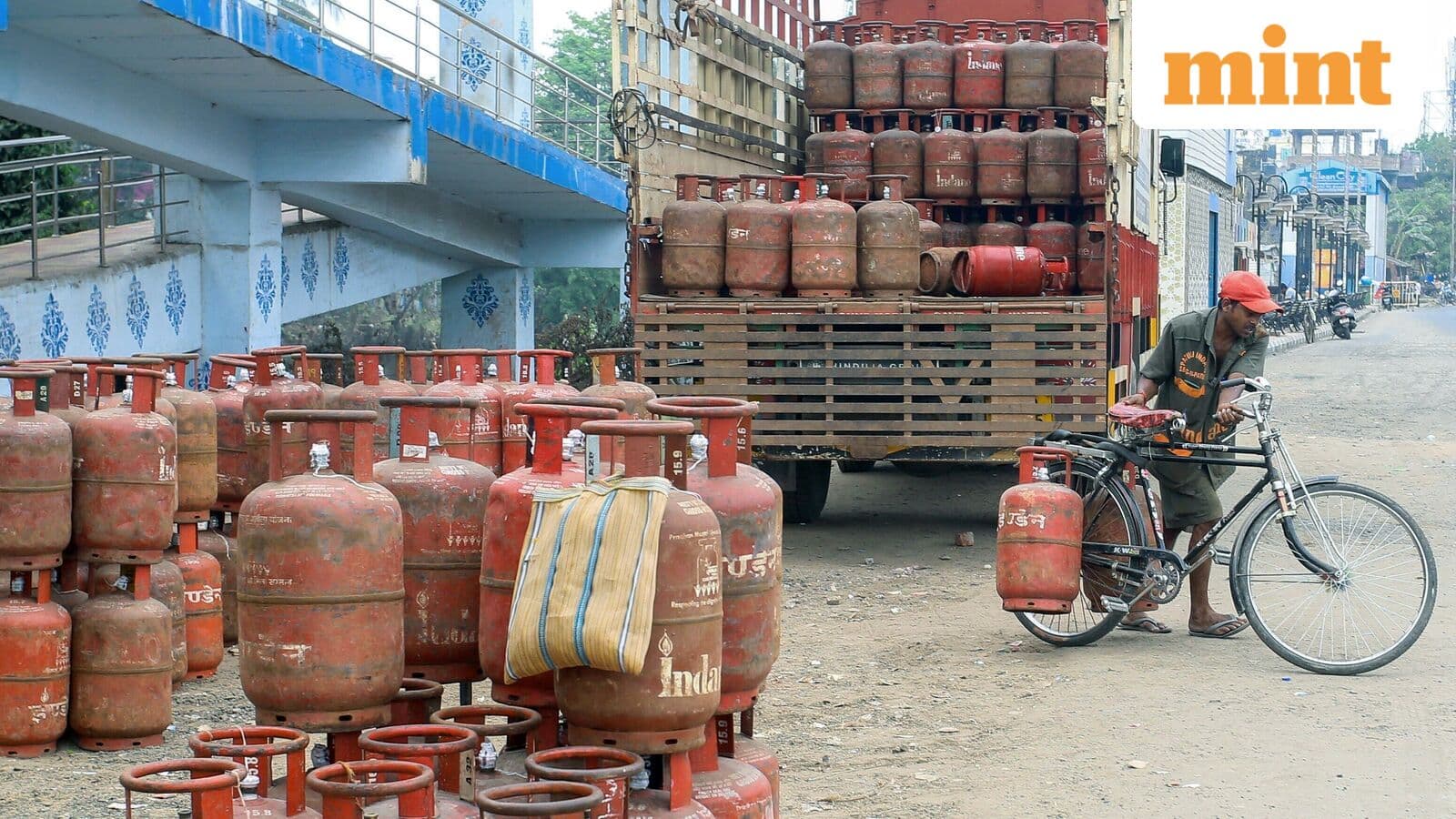
Image: Mint (Business)

Business
Thursday, March 26, 20264 min read

LPG Cylinder Prices on March 26: What You Need to Know

Discover the latest LPG cylinder prices and government measures as of March 26, 2023, amid global supply disruptions. Stay informed!

Glipzo News Desk|Source: Mint (Business)
Share
Glipzo

Key Highlights

  • LPG prices increased: ₹60 for domestic and ₹144 for commercial cylinders.
  • Government mandates switch to PNG for households where possible.
  • No LPG shortage assured by officials amidst global supply issues.
  • Delhi Minister confirms no rumors of LPG distribution shortages.
  • Panic buying discouraged; adequate LPG availability confirmed.

In this article

  • Overview of LPG Supply and Pricing in India As of **March 26, 2023**, the prices of liquefied petroleum gas (LPG) cylinders have come under scrutiny due to ongoing geopolitical tensions and their effect on supply chains. **India** relies heavily on imports for its LPG needs, with approximately **60%** of its consumption sourced from Gulf countries. The disruptions caused by the ongoing conflict in **Iran** have had a ripple effect on these imports, particularly impacting the nation's largest supplier, **Qatar**.
  • Government Measures to Manage Supply In response to the crisis, the Indian government has implemented various policy measures to mitigate the impact of LPG shortages. According to a statement from the **Bharatiya Janata Party (BJP)**, these efforts have helped to maintain a stable supply of LPG, despite the challenges posed by the ongoing war in the Middle East. However, the government has raised the prices of both **domestic** and **commercial** LPG cylinders: a **14.2 kg** domestic cylinder now costs **₹60** more, while a **19 kg** commercial cylinder has seen an increase of **₹144** since the beginning of March.
  • New Regulations and Supply Assurance On March 24, the government announced a new directive aimed at optimizing LPG supply. This order mandates that households switch to **piped natural gas (PNG)** where available; if they fail to do so, they may lose access to LPG supplies. This measure is intended to maximize the efficiency of LPG distribution and promote fuel diversification in light of ongoing supply challenges.
  • Local Government Responses to LPG Distribution In **Delhi**, the Food and Supplies Minister, **Manjinder Singh Sirsa**, has reiterated assurances that there is no scarcity of LPG cylinders in the national capital. He addressed concerns in the assembly, stating, "I would like to inform the citizens that no rumors regarding LPG distribution in Delhi should be encouraged. We are prepared to ensure that there will be no shortage, especially with the festive season approaching."
  • Why This Matters: The Broader Implications The situation surrounding LPG pricing and supply is critical not only for household consumers but also for the broader economy. The rising costs can have a cascading effect on inflation, especially in sectors reliant on LPG for cooking and heating. As India navigates these turbulent waters, the government’s approach to fuel supply management will be closely scrutinized.
  • Looking Ahead: What’s Next? As the government continues to manage LPG supplies amid global disruptions, consumers should remain informed about any potential changes in regulations or pricing. Observers should watch for: - **Future price adjustments** based on international market conditions. - The effectiveness of the government's measures to encourage the switch from LPG to PNG. - Ongoing communications from authorities regarding supply and distribution to prevent misinformation.

Overview of LPG Supply and Pricing in India As of **March 26, 2023**, the prices of liquefied petroleum gas (LPG) cylinders have come under scrutiny due to ongoing geopolitical tensions and their effect on supply chains. **India** relies heavily on imports for its LPG needs, with approximately **60%** of its consumption sourced from Gulf countries. The disruptions caused by the ongoing conflict in **Iran** have had a ripple effect on these imports, particularly impacting the nation's largest supplier, **Qatar**.

The recent closure of key shipping routes, notably the Strait of Hormuz, has forced India to shift its focus towards securing domestic supplies. This has led the government to prioritize LPG for household use and compressed natural gas (CNG) in transportation, thereby limiting LPG availability for commercial entities like restaurants and hotels.

Government Measures to Manage Supply In response to the crisis, the Indian government has implemented various policy measures to mitigate the impact of LPG shortages. According to a statement from the **Bharatiya Janata Party (BJP)**, these efforts have helped to maintain a stable supply of LPG, despite the challenges posed by the ongoing war in the Middle East. However, the government has raised the prices of both **domestic** and **commercial** LPG cylinders: a **14.2 kg** domestic cylinder now costs **₹60** more, while a **19 kg** commercial cylinder has seen an increase of **₹144** since the beginning of March.

This price hike is significant and reflects the increased costs associated with securing LPG amid global supply disruptions. Recent statements from government officials underscore that this adjustment is necessary to ensure that domestic consumers receive priority access to this essential fuel.

New Regulations and Supply Assurance On March 24, the government announced a new directive aimed at optimizing LPG supply. This order mandates that households switch to **piped natural gas (PNG)** where available; if they fail to do so, they may lose access to LPG supplies. This measure is intended to maximize the efficiency of LPG distribution and promote fuel diversification in light of ongoing supply challenges.

Officials have assured the public that there is no immediate shortage of petrol, diesel, or LPG in the country. The Ministry of Petroleum and Natural Gas has urged citizens to disregard misinformation circulating on social media regarding LPG booking norms. They emphasized that existing booking procedures remain unchanged and that there is adequate availability of LPG supplies to meet current demand.

Local Government Responses to LPG Distribution In **Delhi**, the Food and Supplies Minister, **Manjinder Singh Sirsa**, has reiterated assurances that there is no scarcity of LPG cylinders in the national capital. He addressed concerns in the assembly, stating, "I would like to inform the citizens that no rumors regarding LPG distribution in Delhi should be encouraged. We are prepared to ensure that there will be no shortage, especially with the festive season approaching."

The minister also mentioned that efforts are ongoing to combat black marketing and ensure a smooth supply of LPG across the region. Such proactive measures aim to bolster public confidence and prevent panic buying, which can exacerbate supply issues.

Why This Matters: The Broader Implications The situation surrounding LPG pricing and supply is critical not only for household consumers but also for the broader economy. The rising costs can have a cascading effect on inflation, especially in sectors reliant on LPG for cooking and heating. As India navigates these turbulent waters, the government’s approach to fuel supply management will be closely scrutinized.

With the festive season on the horizon, it is vital for the government to maintain a steady supply chain to avoid disruptions that could affect consumers. Moreover, the transition to PNG in areas where it is feasible could represent a significant shift in India’s energy landscape, promoting sustainability and reducing reliance on imported fuels.

Looking Ahead: What’s Next? As the government continues to manage LPG supplies amid global disruptions, consumers should remain informed about any potential changes in regulations or pricing. Observers should watch for: - **Future price adjustments** based on international market conditions. - The effectiveness of the government's measures to encourage the switch from LPG to PNG. - Ongoing communications from authorities regarding supply and distribution to prevent misinformation.

In conclusion, while the current situation presents challenges, the government appears committed to ensuring that essential fuel supplies remain stable and accessible. As updates unfold, consumers are encouraged to stay informed to navigate these changes effectively.
Did you find this article useful? Share it!

Share

Related Articles

Rolls-Royce Unveils Exclusive Two-Seater Electric Convertible
Business
Apr 15, 2026

Rolls-Royce Unveils Exclusive Two-Seater Electric Convertible

Discover Rolls-Royce's stunning new Project Nightingale electric convertible, set for a 2028 release. Only 100 units will be handcrafted.

BBC Business
Morrisons to Cut 200 Jobs in Major Restructuring Effort
Business
Apr 15, 2026

Morrisons to Cut 200 Jobs in Major Restructuring Effort

Morrisons confirms 200 job cuts at its Bradford HQ as part of a major restructuring move focused on integrating AI and automation. What’s next?

BBC Business
Fuel Prices Finally Stabilize After 43 Days of Increases
Business
Apr 15, 2026

Fuel Prices Finally Stabilize After 43 Days of Increases

Fuel prices in the UK have stabilized after 43 days of increases, but remain significantly higher than pre-war levels. What does this mean for drivers?

BBC Business

Categories

  • World
  • Technology
  • Business
  • Sports

More

  • Entertainment
  • Science
  • Health
  • Politics

Explore

  • Web Stories
  • About Us
  • Contact

Legal

  • Privacy Policy
  • Terms of Service

© 2026 Glipzo. All rights reserved.