
Image: Mint (Business)
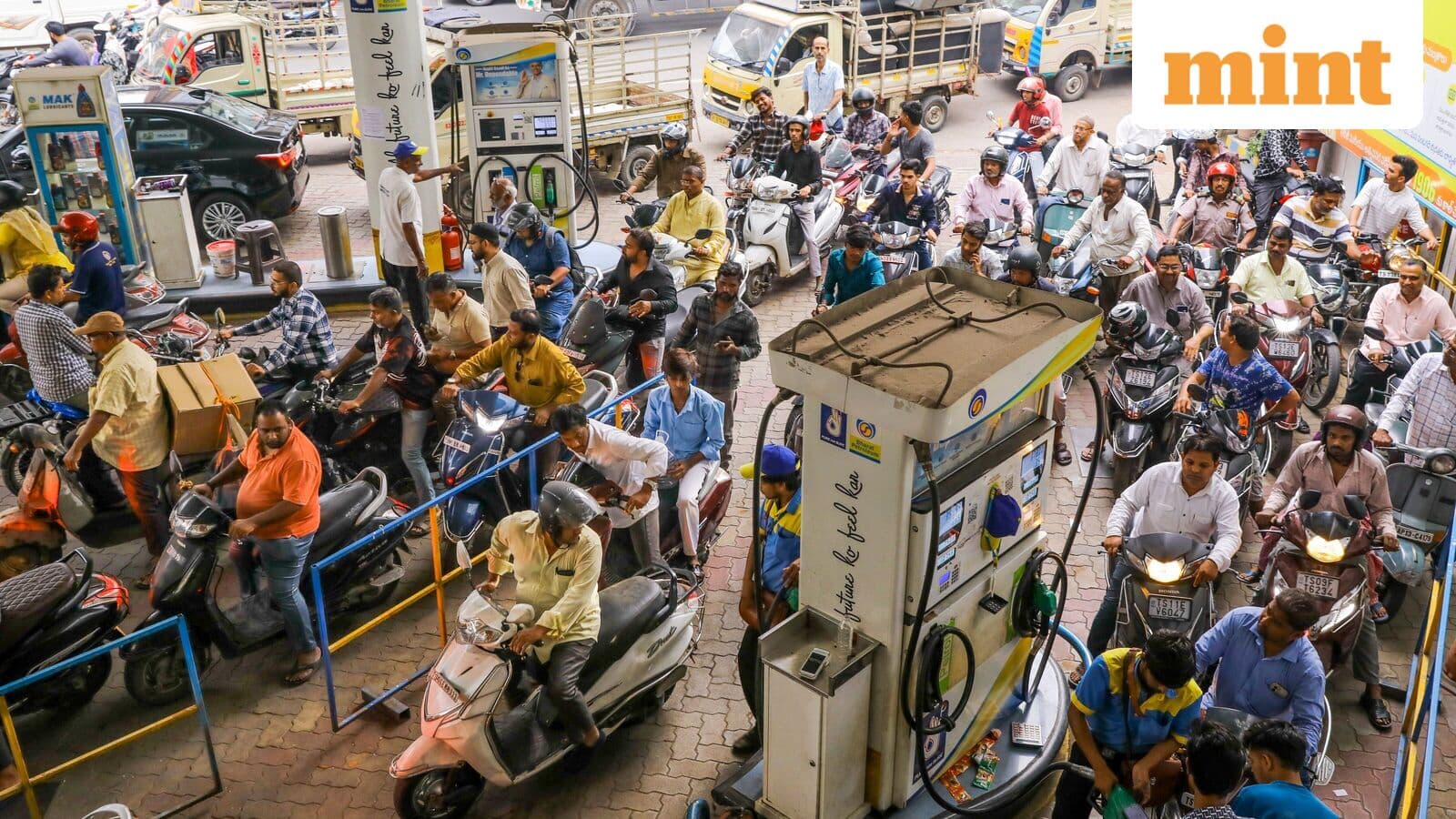
Long queues at petrol pumps in India spark panic buying amid fuel supply concerns. Government reassures no shortages, but chaos continues.
GlipzoAmid escalating tensions in the Middle East, motorists across India are facing an unexpected challenge: long queues at petrol stations. The ongoing conflict, particularly affecting the Strait of Hormuz, which accounts for 40% of India’s crude oil imports, has led to widespread panic buying of petrol, diesel, and LPG. Despite government assurances of no fuel shortages, many citizens are experiencing difficulties in securing these essential resources.
Reports indicate that cities such as Hyderabad, Indore, Surat, and Ahmedabad are witnessing significant unrest at fuel stations. As customers flock to petrol pumps, social media is flooded with videos showcasing long lines and frustrated individuals waiting for hours to refuel. One user expressed their dissatisfaction on X, stating, “I've booked a cylinder on March 15. 11 days later, it’s still not delivered. Nearby pumps are displaying ‘NO STOCK’ signs.”
Another user questioned the situation, asking if the lines are due to a genuine fuel shortage or merely panic hoarding spurred by the global crisis. The uncertainty has led to further confusion, with reports of queues stretching up to 500 meters in some locations. Many are feeling the impact of the situation, as one commenter noted heavy traffic at petrol stations during the morning rush hour.
In response to the chaos, the Telangana Consumer Affairs, Food and Civil Supplies Department released a statement emphasizing that there is no actual shortage of fuel in the state. They attributed the temporary scarcity at various petrol stations to panic buying fueled by misinformation. The department warned against hoarding and illegal diversion of fuel, stating, "When citizens rush to fill their tanks, it creates an artificial scarcity, despite adequate supplies at depots."
This warning was echoed by several Hindustan Petroleum stations, which advised customers against succumbing to rumors and assured them that fuel supplies remain stable. They encouraged individuals to remain calm and not contribute to the panic that is exacerbating the situation.
The current energy crisis is rooted in the geopolitical tensions linked to the Iran conflict with the US and Israel, which have led to disruptions in global energy markets. Recent reports suggest that India is set to see a 46% drop in LPG imports, which translates to approximately 1.190 million metric tons daily. This drastic cut is a direct consequence of supply chain disruptions and geopolitical uncertainties.
The Ministry of Petroleum and Natural Gas has recognized these challenges and is implementing measures to enhance the distribution infrastructure for natural gas and petroleum products. These measures include expanding pipeline networks across the country to mitigate future supply constraints.
As India navigates these turbulent waters, the government’s commitment to diversifying fuel supplies will be crucial. The current administrative changes regarding advance payment models by Oil Marketing Companies (OMCs) have also contributed to logistical adjustments, leading to temporary shortages.
The situation is dynamic, and citizens are urged to stay informed about the developments in the global energy landscape. With the potential for ongoing disruptions, it’s imperative for consumers to remain vigilant and avoid panic buying.
The unfolding situation highlights the fragility of energy supply chains and the direct impact geopolitical issues can have on local markets. For everyday consumers, understanding these dynamics is essential for making informed choices, especially in times of crisis.
As the situation evolves, keeping an eye on government advisories and understanding global energy trends will be vital for consumers in India. The coming weeks will be critical in determining how the country navigates these challenges and stabilizes its fuel supply.
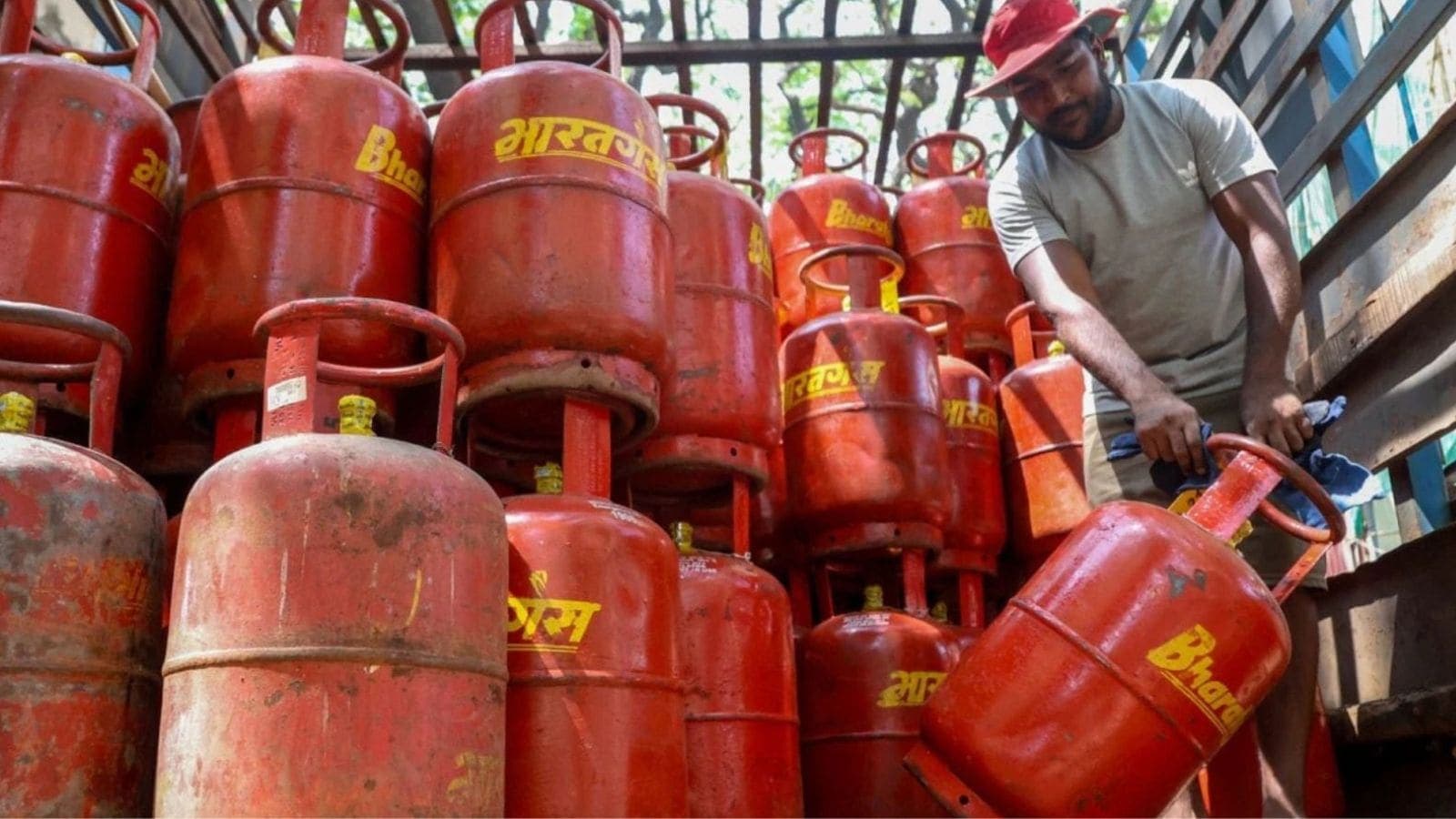
Commercial LPG prices have risen again, with increases of ₹42 in Delhi and ₹53.50 in Kolkata impacting businesses and consumers alike. Find out more.
Indian Express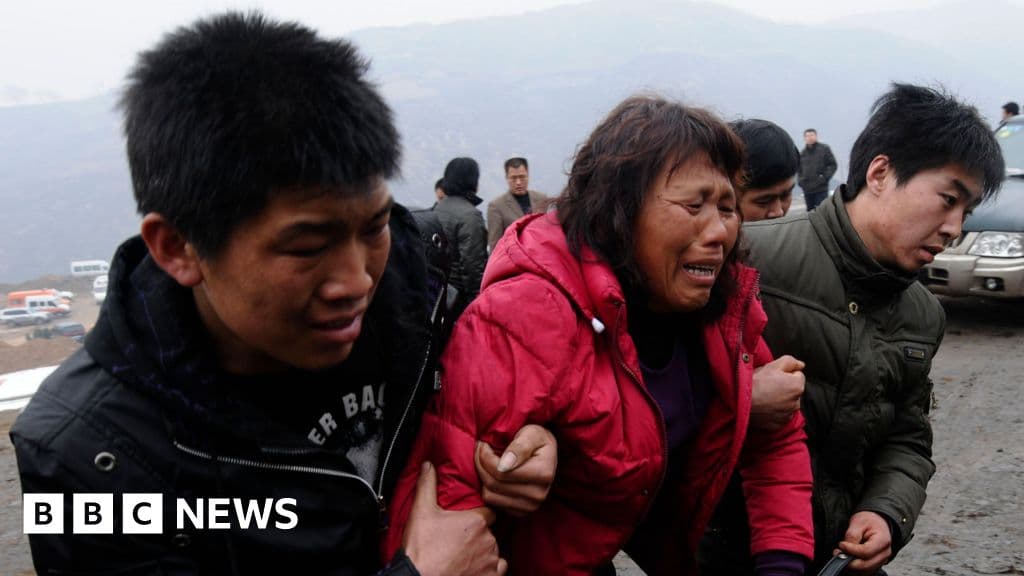
Discover how a tragic coal mine explosion in Shanxi, China, reveals ongoing safety concerns in the industry amidst a push for green energy.
BBC Business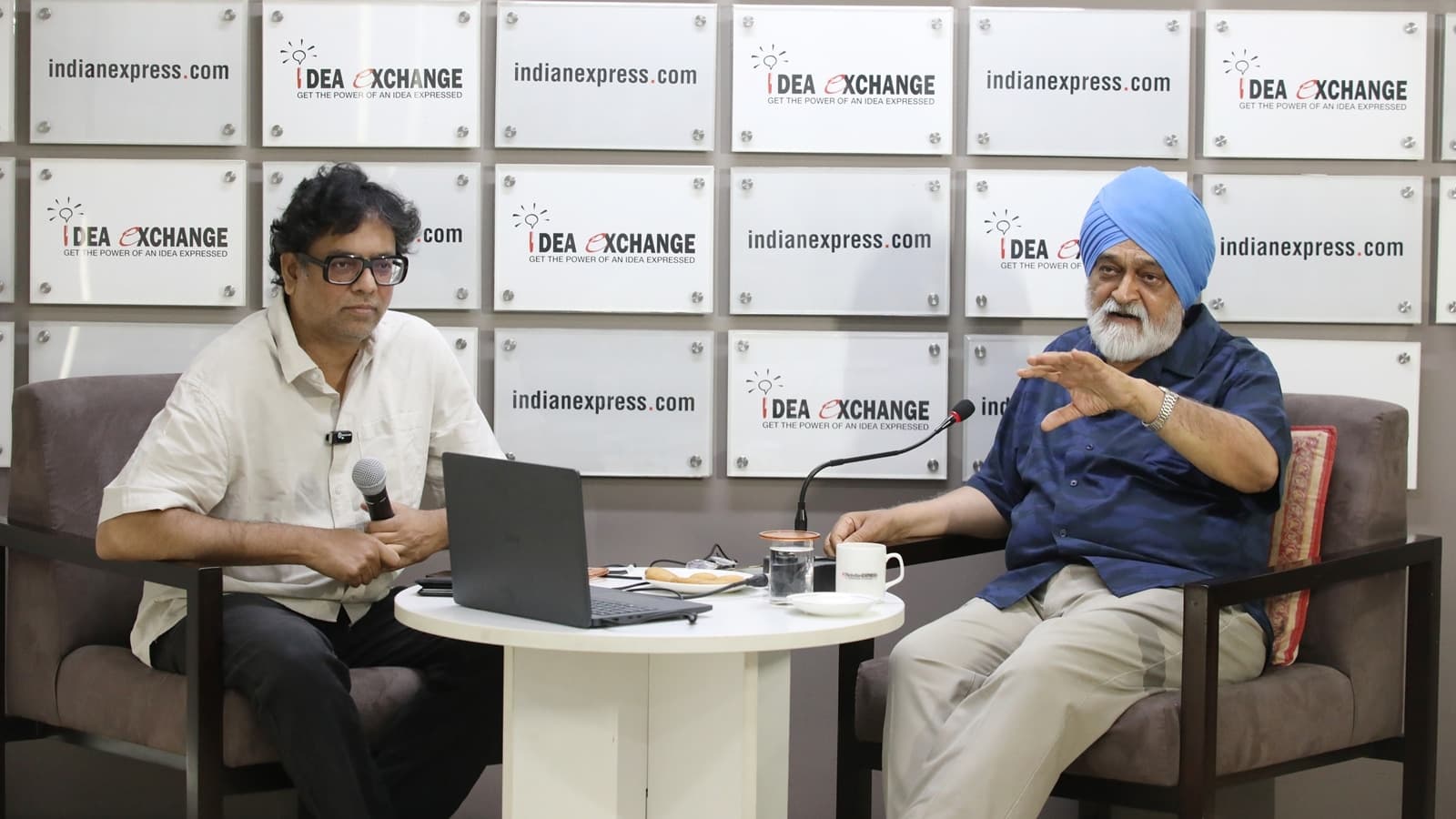
Montek Singh Ahluwalia highlights key economic challenges for India, emphasizing the need for a strategic approach to balance payments and investment.
Indian Express