
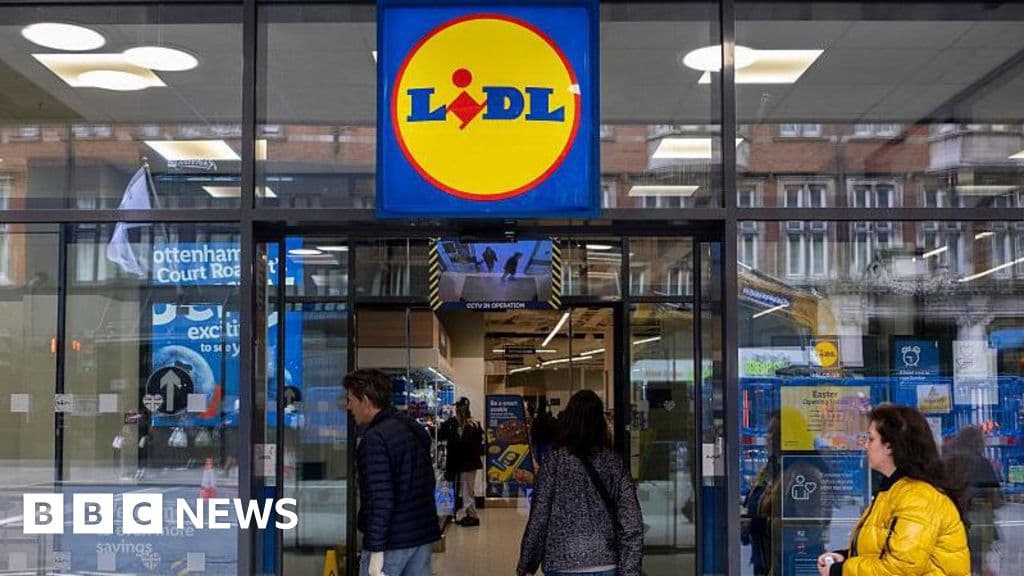
Image: BBC Business
Lidl's revamped loyalty scheme ignites shopper discontent as customers express frustration over reduced rewards. What’s next for the supermarket chain?
GlipzoLidl's recent changes to its loyalty program have left many shoppers feeling dissatisfied and frustrated. Beginning on Tuesday, the supermarket chain shifted from its previously favored coupon system to a point-based approach where customers earn one point for every £1 spent. This move has prompted a wave of complaints from loyal customers who believe the new scheme is less rewarding than its predecessor.
The latest adjustments to Lidl's loyalty scheme align the retailer with other major supermarket chains, such as Tesco and Sainsbury's, which have long utilized points-based rewards systems. However, the outcry from customers suggests that many view this transition as a step backward. Previously, Lidl shoppers enjoyed benefits like 10% off coupons for spending £250 within a month, a reward that has been significantly downgraded under the new system.
Social media platforms have been flooded with posts from disgruntled customers expressing their disappointment. One user lamented that they would now need to spend considerably more to receive a free item, such as a bakery treat, compared to the previous requirement of spending only £10 each month.
Critics have not held back in their assessments of the new scheme. One shopper articulated their frustration, stating, "It's honestly insulting for them to try and frame this as any sort of improvement." Others pointed out that the previous system's appeal was a significant reason for choosing Lidl over competitors. Now, many are contemplating switching to other supermarkets altogether.
Key concerns raised by shoppers include: - Increased Spending: Customers feel they need to spend more to earn rewards. - Perceived Value: Many believe the new point system offers less value compared to the old coupon rewards. - Loss of Loyalty: Some customers have indicated they might switch their shopping habits due to dissatisfaction with the new program.
In response to the backlash, a spokesperson for Lidl GB defended the new program, stating that the Lidl Plus Points system introduces a fresh method for shoppers to save on essential items and special finds in the store. They emphasized that the change was made following customer feedback, asserting that it ultimately provides shoppers with greater value.
Additionally, the spokesperson highlighted that customers would consistently earn more than one point for every pound spent, thanks to promotional campaigns offering double points, triple points, or even free points on select items. This suggests that while the immediate rewards may seem less significant, the potential for earning could be enhanced during promotional periods.
Retail analyst Catherine Shuttleworth shared her perspective on the changes, noting that while the new scheme may appear less generous at first glance, it could lead to more manageable rewards for both the supermarket and its customers over time. She explained that this new strategy would allow Lidl to effectively reward shoppers during key times of the year, potentially leading to a more sustainable loyalty program.
The loyalty program landscape is under scrutiny as well, with the Competition and Markets Authority (CMA) investigating supermarket loyalty schemes in 2024. The findings revealed that customers could often save by purchasing loyalty-priced products, but also noted that there was room for improvement in making these schemes accessible to everyone, including those without smartphones or under-18s.
Lidl's shift in its loyalty program reflects a broader trend in the grocery retail landscape, where loyalty schemes are becoming increasingly common yet complex. As supermarkets vie for consumer loyalty, the way they structure rewards can significantly impact shopping behavior. Understanding customer sentiment is crucial for retailers aiming to maintain a competitive edge.
The recent backlash against Lidl's changes underscores the delicate balance supermarkets must strike between appealing to consumers and managing their profitability. With growing competition from both traditional grocery stores and online retailers, customer loyalty is more valuable than ever.
As Lidl navigates this transition, several key developments are worth monitoring: - Customer Feedback: Continued consumer reactions to the new loyalty program will likely influence future adjustments. - Promotional Campaigns: The effectiveness of upcoming promotions that offer additional points could sway public perception. - Competitor Responses: Other supermarkets may react to Lidl's changes by adjusting their own loyalty programs, impacting the overall market dynamics.
In conclusion, while Lidl's new loyalty scheme aims to enhance customer savings through a point-based system, initial reactions indicate that many shoppers feel disappointed with the perceived reduction in rewards. The coming weeks will reveal whether Lidl can successfully adapt to customer feedback and regain their loyalty in this fiercely competitive grocery landscape.

Commercial LPG prices have risen again, with increases of ₹42 in Delhi and ₹53.50 in Kolkata impacting businesses and consumers alike. Find out more.
Indian Express
Discover how a tragic coal mine explosion in Shanxi, China, reveals ongoing safety concerns in the industry amidst a push for green energy.
BBC Business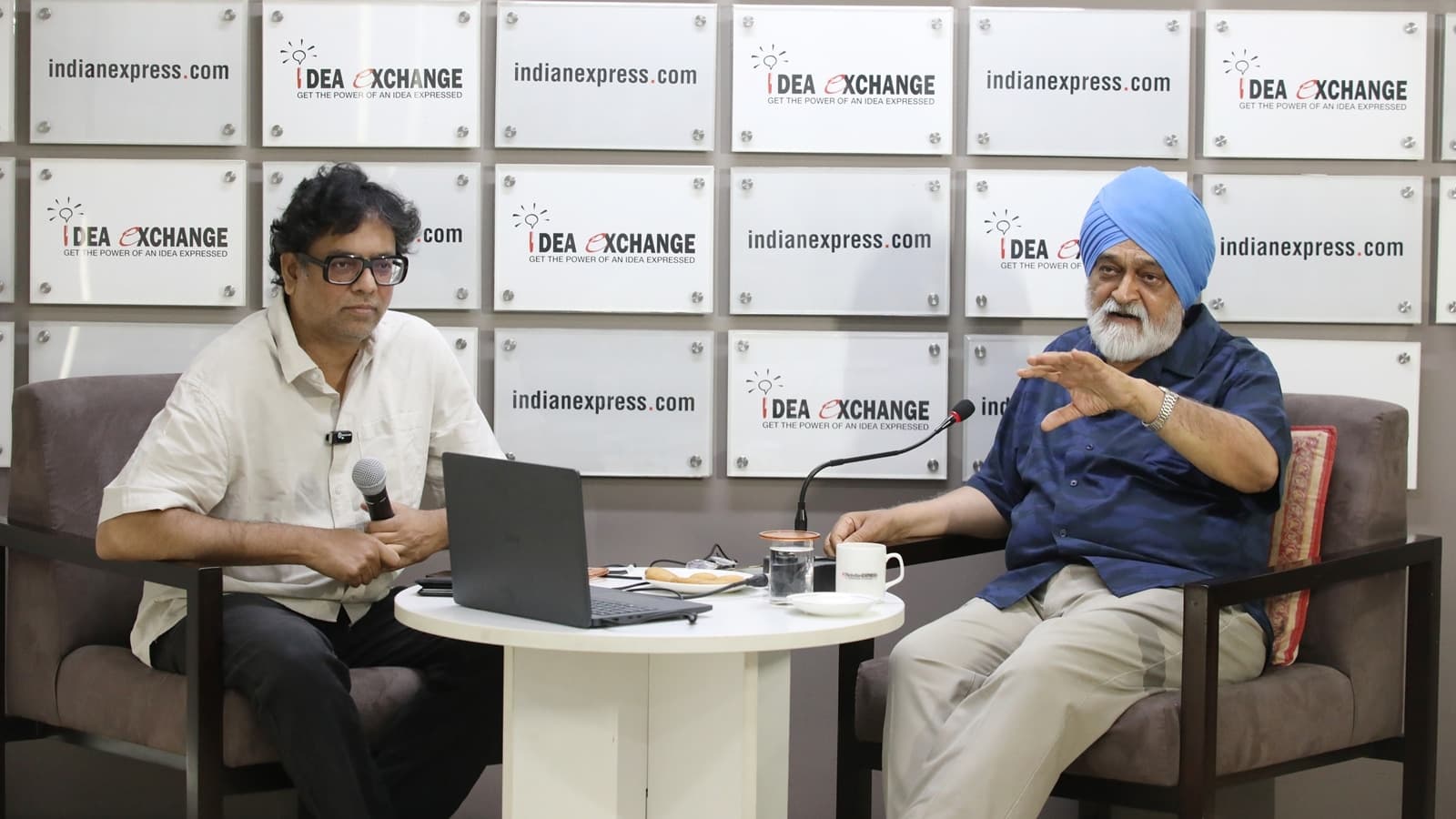
Montek Singh Ahluwalia highlights key economic challenges for India, emphasizing the need for a strategic approach to balance payments and investment.
Indian Express