
Image: BBC World
Lebanon's Prime Minister accuses Israel of targeting journalists in deadly air strikes, raising serious concerns over press safety and international law violations.
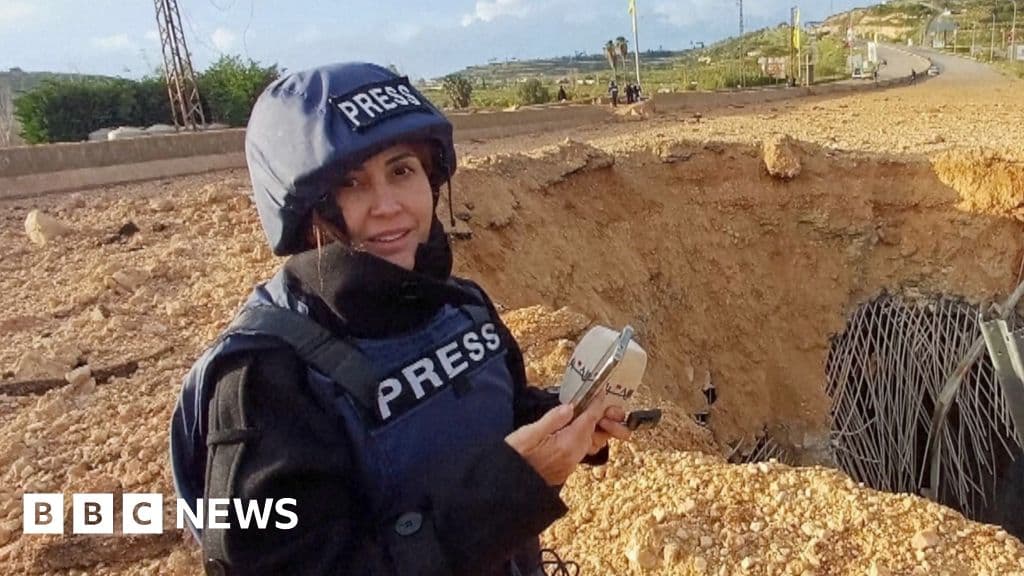
GlipzoIn a shocking turn of events, Lebanese Prime Minister Nawaf Salam has accused Israeli forces of committing war crimes after a recent air strike in southern Lebanon resulted in the death of Amal Khalil, a journalist working for Al-Akhbar, and injuries to Zeinab Faraj, a freelance photographer. This tragic incident occurred on Wednesday, raising serious concerns about the safety of journalists in conflict zones and prompting international outcry.
The deadly air strike claimed the life of 43-year-old Khalil and left Faraj wounded as they sought refuge in a home following an earlier attack that targeted their vehicle. The situation escalated further when officials alleged that Israeli Defense Forces (IDF) deliberately targeted an ambulance attempting to reach the wounded journalists in Tayri. This incident highlights the perilous conditions journalists face while covering conflicts, especially in regions marked by ongoing violence.
Lebanese officials have voiced strong accusations against the IDF, asserting that the air strike was a calculated move against media personnel. According to Salam, the targeting of journalists and the obstruction of rescue efforts constitute war crimes, emphasizing that these actions form part of a broader pattern of aggression against media workers in southern Lebanon.
Khalil and Faraj were reportedly caught in the crossfire after the IDF struck a vehicle that had been linked to Hezbollah. The Lebanese health ministry claims that Israeli forces pursued Khalil and Faraj, hitting the house where they had taken shelter after the initial strike. This allegation raises profound concerns about the rules of engagement in conflict situations and the protection of journalists.
In response to the serious allegations, the IDF has vehemently denied targeting journalists or obstructing emergency services. A statement from the military claimed that they had identified two vehicles departing from a Hezbollah stronghold, which posed an immediate threat as they approached Israeli troops. The IDF asserts that their actions were in line with maintaining security and that they strive to minimize harm to non-combatants, including journalists.
Despite their denial, the IDF acknowledged that two journalists were injured in the strikes, but they have not accepted responsibility for Khalil's death. Instead, they maintain that they targeted military assets and that the air strikes were justified under the circumstances. This defense has done little to quell outrage from the international community and press organizations.
The murder of Amal Khalil has sparked outrage among press freedom advocates and international organizations. The Committee to Protect Journalists (CPJ) expressed its dismay over the ongoing violence against media personnel, stating that the repeated strikes on locations where journalists were known to be sheltering represent a grave violation of international humanitarian law.
The situation has drawn attention from prominent figures within the media industry. Clayton Weimer, the executive director of Reporters Without Borders, emphasized the perceived negligence by Israeli forces in allowing ambulances to reach the injured. He described the circumstances surrounding the air strikes as indicative of a disturbing trend of targeted attacks against journalists, heightening the risks they face in conflict regions.
Khalil's tragic death shines a spotlight on the increasingly dangerous landscape for journalists in conflict zones. The targeting of media workers undermines the fundamental principles of press freedom and raises critical questions about the protection of civilians during armed conflicts. As the situation continues to develop, it underscores the urgent need for greater accountability and reinforced protections for journalists worldwide.
Khalil was remembered as a dedicated journalist committed to her humanitarian duties, with colleagues describing her as kind and steadfast in her mission to report the truth. Her loss is felt deeply within the journalistic community, serving as a stark reminder of the sacrifices made by reporters across the globe.
Moving forward, the international community must closely monitor the situation in Lebanon and advocate for the safety of journalists in conflict areas. With calls for investigations into the actions of the IDF and the surrounding circumstances of Khalil's death, there is hope for accountability and change. Media organizations and human rights advocates will likely continue to push for greater protections and transparency in military operations to prevent future tragedies.
As tensions remain high in the region, the eyes of the world are on Lebanon. The ongoing conflict poses a significant risk not only to the safety of journalists but also to the integrity of information being reported from the ground. The international community must remain vigilant and support efforts to ensure that journalists can operate freely and safely, without the threat of violence.
In conclusion, the tragic death of Amal Khalil illuminates the urgent need for reforms that prioritize the safety of journalists in conflict zones. As investigations continue, the world will be watching closely, hopeful for a resolution that honors the memory of those who dedicate their lives to bringing us the news.
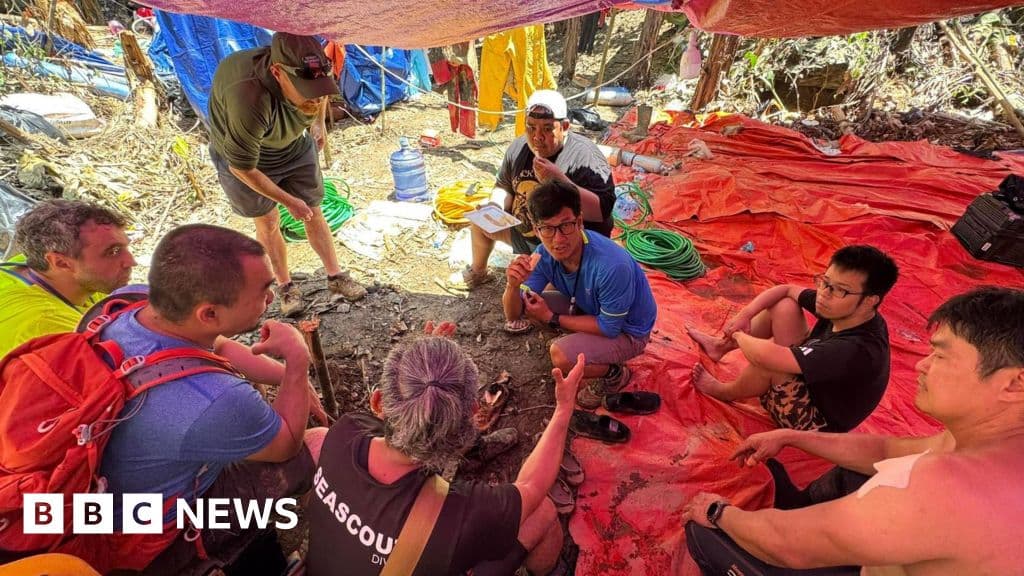
Survivors of the Laos cave rescue are aiding efforts to find the last two missing men trapped inside, sharing crucial insights for the search operation.
BBC World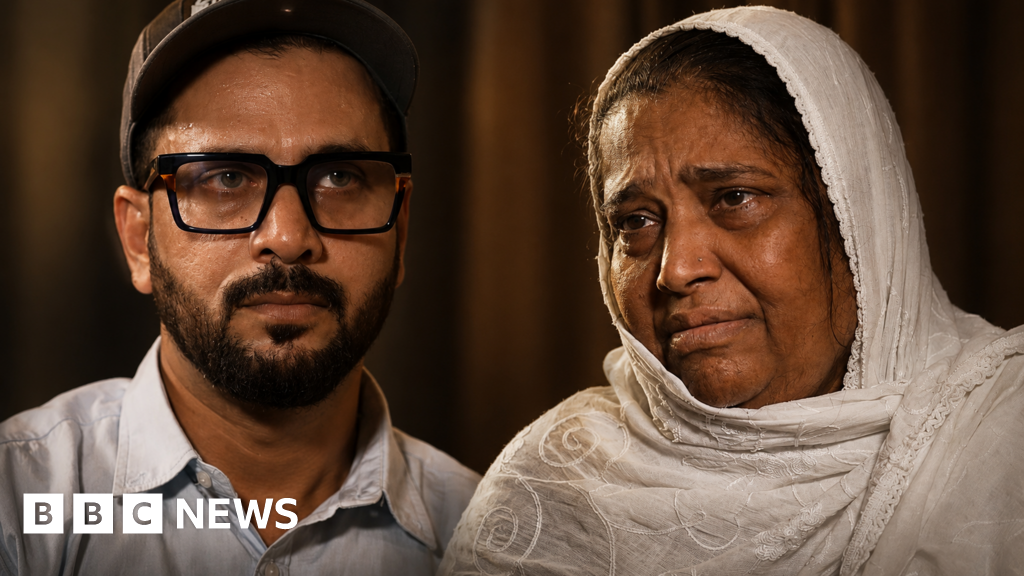
A year after the tragic Air India crash, the Ali family reflects on grief, unanswered questions, and the enduring bonds of love in the face of loss.
BBC Business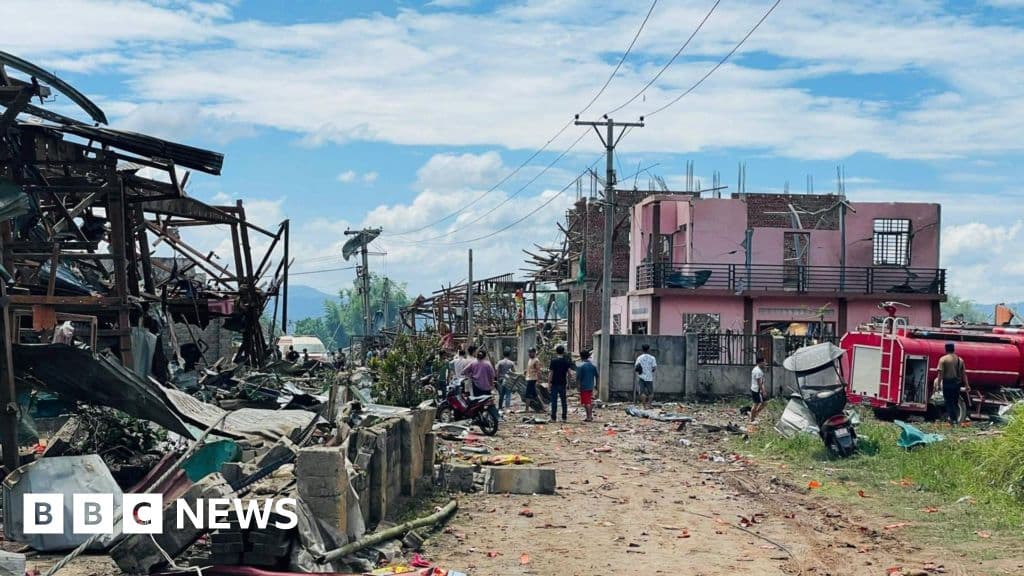
A devastating explosion in Myanmar's Kaung Tat village has killed at least 55 people, raising serious safety concerns and questions about civilian protection in conflict zones.
BBC World