
Image: Indian Express
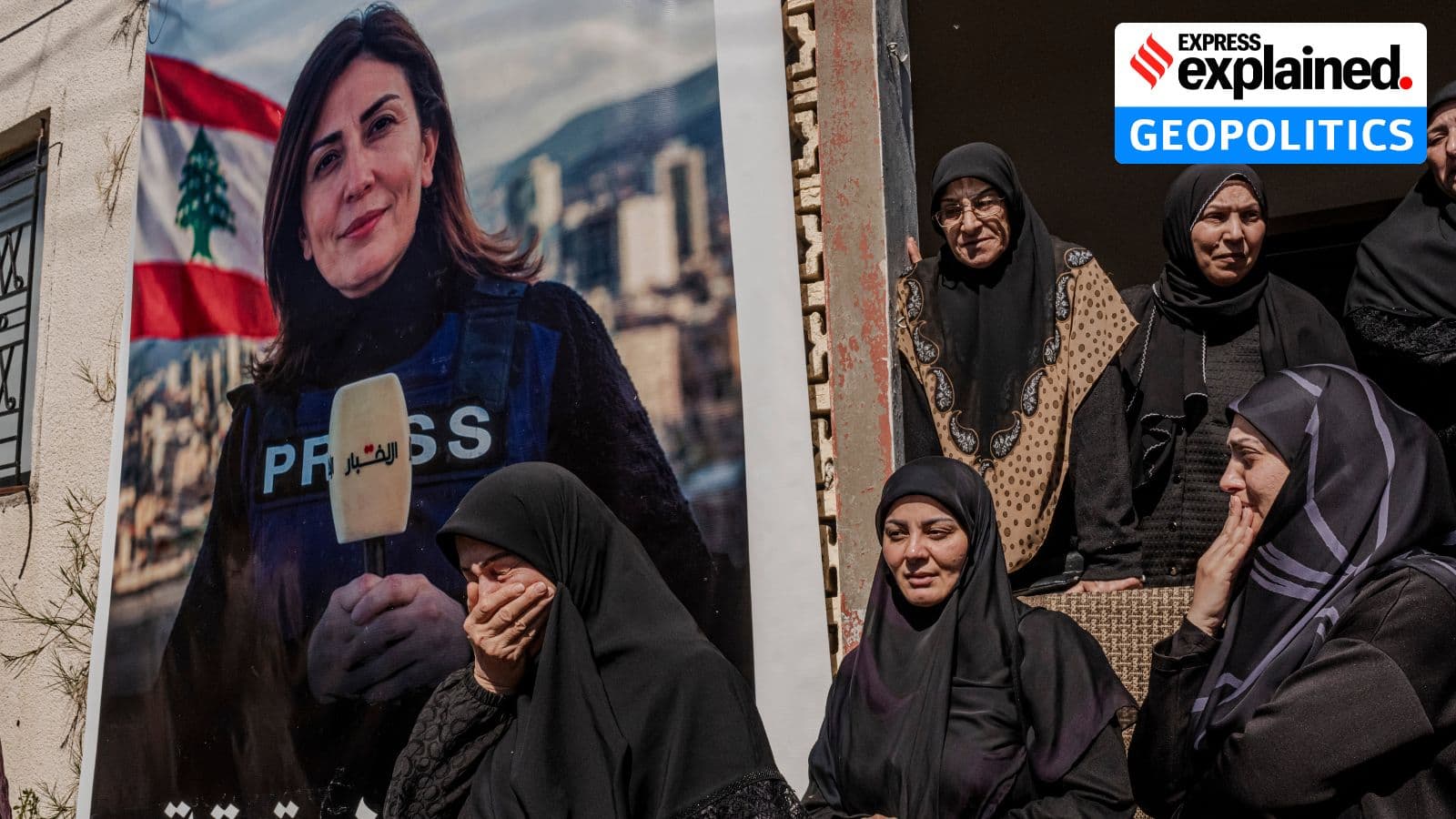
Amal Khalil, a Lebanese journalist, was killed in Israeli strikes, igniting international outrage and raising serious questions about journalist safety in conflict zones.
GlipzoLebanese officials have expressed outrage, with President Joseph Aoun denouncing Israel’s actions as a "deliberate and consistent targeting of journalists." Prime Minister Nawaf Salam went further, labeling the attack as a "war crime" and vowing to pursue legal action in international forums. Israel, however, has rejected these accusations, asserting that it does not intentionally target journalists.
On the day of her death, Khalil was reporting alongside freelance photojournalist Zeinab Faraj on an earlier Israeli air strike in al-Tiri. Their vehicle was caught in an initial attack, prompting them to seek refuge in a nearby house. Reports indicate that both journalists were identifiable as press members, wearing protective gear marked with press insignia. Tragically, as rescue teams attempted to reach them, a second Israeli strike targeted the house they were in, leading to Khalil's death.
The Israel Defense Forces (IDF) issued a statement claiming they do not target journalists and are committed to minimizing harm to them. They stated that their operations were focused on military targets associated with Hezbollah, asserting that the strike was a response to an immediate threat to their troops' safety. The IDF claimed it was not obstructing rescue efforts and that an investigation into the incident was underway.
The report indicates an alarming trend: two-thirds of all journalist killings globally in 2024 were linked to Israeli military actions. Despite numerous investigations, no one has faced charges for these targeted killings, raising serious questions about the IDF's commitment to accountability and the protection of press freedoms.
As the international community watches closely, the implications of Khalil's death extend beyond the immediate tragedy. The event has reignited debates about the need for stronger protections for journalists operating in war-torn regions. The lack of accountability for previous killings only fuels a culture of impunity, further endangering the lives of those who seek to inform the world about the realities of conflict.
As investigations unfold, it will be crucial to monitor how this incident influences the larger narrative surrounding press freedom and military conduct in conflicts. Advocates for media rights will be watching closely to see if this tragic loss leads to meaningful changes in the protection of journalists, ensuring that their voices are not silenced in the face of violence. The call for justice in Khalil's name must be a catalyst for change, promoting a safer environment for journalists worldwide.
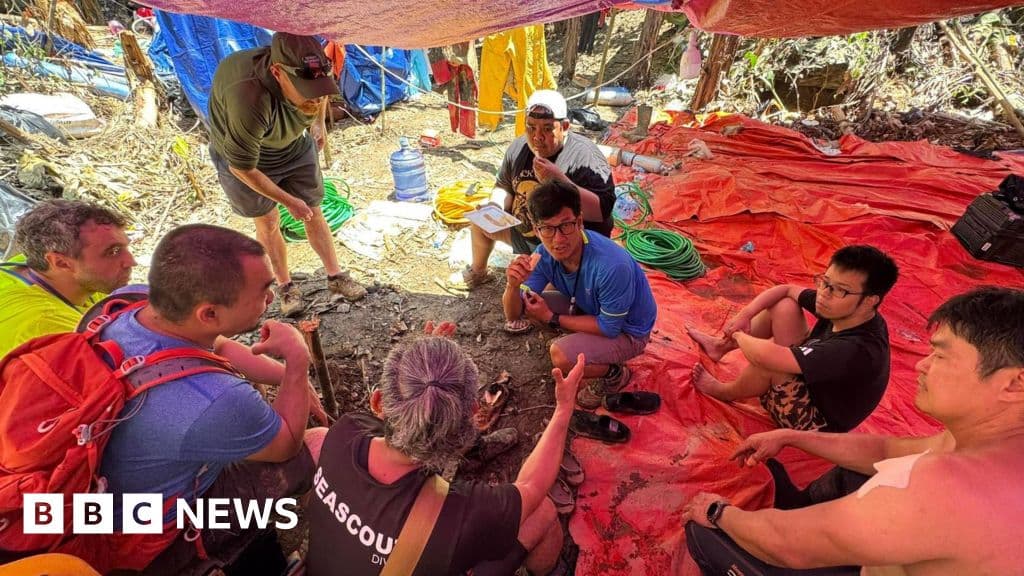
Survivors of the Laos cave rescue are aiding efforts to find the last two missing men trapped inside, sharing crucial insights for the search operation.
BBC World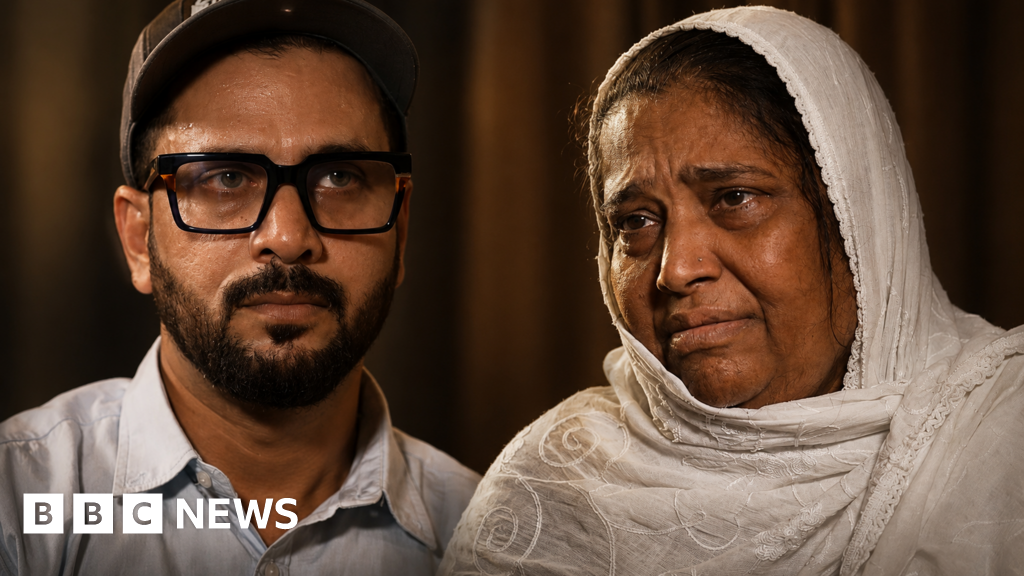
A year after the tragic Air India crash, the Ali family reflects on grief, unanswered questions, and the enduring bonds of love in the face of loss.
BBC Business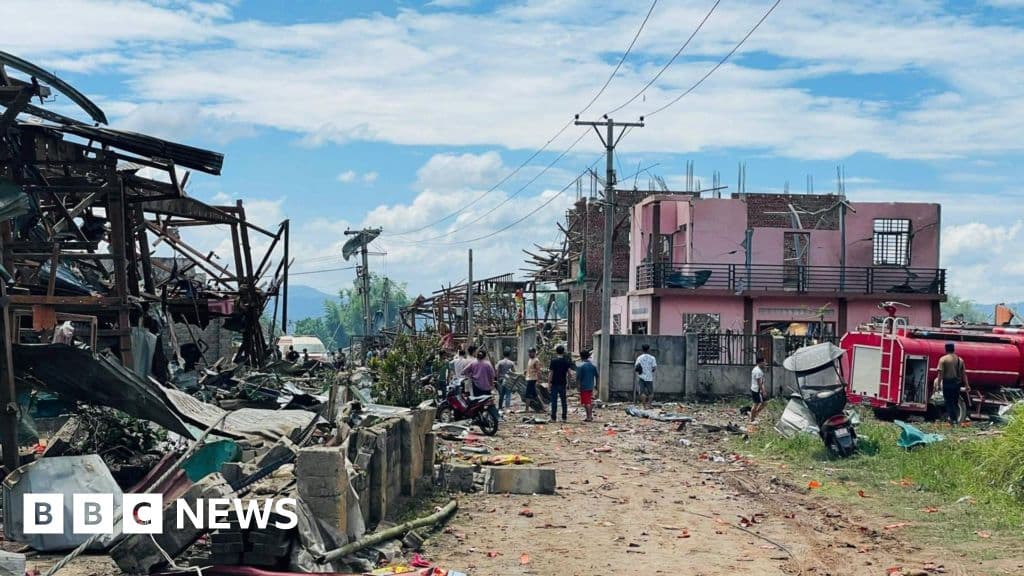
A devastating explosion in Myanmar's Kaung Tat village has killed at least 55 people, raising serious safety concerns and questions about civilian protection in conflict zones.
BBC World