

Image: Mint (Business)
Discover Lakshmi Mittal's powerful insights on failure in entrepreneurship and how resilience, effort, and ambition drive success in today's business landscape.
GlipzoLakshmi Mittal, the executive chairman of ArcelorMittal, has made a name for himself in the steel industry, turning around struggling operations and leading significant mergers. His journey is marked by resilience and a willingness to take calculated risks. On March 31, Mittal shared a compelling perspective on entrepreneurship that places failure at its core.
Mittal's powerful quote, "Entrepreneurship is about being able to face failure, manage failure and succeed after failing," challenges conventional narratives surrounding business success. Unlike typical discussions that highlight vision and innovation, Mittal underscores the importance of confronting and learning from failure.
He breaks down this philosophy into three essential components: - Face failure: Acknowledge setbacks rather than shy away from them. - Manage failure: Develop strategies to cope and recover from challenges. - Succeed after failing: Use lessons learned from failure to achieve future success.
This approach is particularly relevant for today's startup ecosystem, where entrepreneurs often feel immense pressure to showcase uninterrupted growth. Instead of stigmatizing failure, Mittal promotes a healthier mindset, suggesting that failure is not the antithesis of success but rather a necessary stepping stone towards it.
Born in 1950 in Sadulpur, Rajasthan, Lakshmi Mittal was raised in a business-oriented family. His father, Mohan Lal Mittal, ran a steel enterprise, providing young Lakshmi with early exposure to the industry. After studying commerce at St Xavier’s College, Kolkata, he ventured into the steel business independently in 1976 by acquiring a struggling mill in Indonesia.
Over the subsequent decades, Mittal expanded his empire by purchasing and revitalizing distressed steel plants across the globe, including locations in Trinidad, Kazakhstan, Mexico, Germany, and France. His most notable achievement occurred in 2006, when he orchestrated a merger that formed ArcelorMittal, the world's largest steel producer. Despite facing significant political and corporate challenges, Mittal's relentless pursuit paid off, showcasing his tenacity and strategic acumen.
Mittal’s success has not only been a personal triumph but also a family affair. His son, Aditya Mittal, currently serves as the CEO of ArcelorMittal, while his daughter, Vanisha Mittal, has taken on various roles within the company. His wife, Usha Mittal, has also played a crucial role, especially in supporting charitable initiatives such as the Usha Mittal Institute of Technology in Mumbai.
Beyond business, Lakshmi Mittal is deeply committed to philanthropy. He has made significant investments in education and healthcare, funding scholarships and supporting institutions like the Lakshmi Mittal South Asia Institute at Harvard. His contributions extend to hospitals and sports initiatives throughout India, demonstrating his commitment to giving back to the community.
In addition to resilience, Mittal emphasizes the importance of hard work. He asserts, “Hard work certainly goes a long way.” In a competitive global economy, simply putting in effort is not enough; one must strive to work even harder and dedicate oneself fully to their endeavors. Effort, for Mittal, is the driving force that transforms failures into successes.
His experience during the Arcelor merger exemplifies this philosophy. After facing rejection and political opposition, Mittal didn't back down. Instead, he and his team dedicated months to building rapport with shareholders, refining their proposal, and addressing regulatory challenges. This methodical approach, rather than a glamorous one, ultimately led to success.
Lakshmi Mittal's insights offer valuable lessons to aspiring entrepreneurs and established business leaders alike. He distills his philosophy into a final message: “Always aim higher. Even if you don’t reach your goal, you’ll still end up at a higher place than where you started.” This perspective underscores that ambition is as critical as managing failure and exerting effort. While success is never guaranteed, setting lofty goals ensures that individuals make progress, even in the face of setbacks.
Mittal's insights resonate in an age where failure is often hidden behind polished success stories. By openly acknowledging failure as an integral part of the entrepreneurial journey, he encourages a culture of learning and growth rather than one of fear and avoidance. This shift in perspective can empower the next generation of entrepreneurs to embrace challenges and learn from their experiences, ultimately fostering a more resilient business landscape.
As the business world continues to evolve, entrepreneurs and leaders will need to adapt to rapidly changing market conditions. Observing how Mittal's philosophy influences emerging business leaders and the startup ecosystem will be crucial. The focus on embracing failure and hard work may pave the way for a new era of innovation and resilience in the global economy, reshaping how success is defined and pursued.
In conclusion, Lakshmi Mittal’s approach serves as a guiding light for those navigating the challenges of entrepreneurship, proving that failure can be a catalyst for greater achievements.

Commercial LPG prices have risen again, with increases of ₹42 in Delhi and ₹53.50 in Kolkata impacting businesses and consumers alike. Find out more.
Indian Express
Discover how a tragic coal mine explosion in Shanxi, China, reveals ongoing safety concerns in the industry amidst a push for green energy.
BBC Business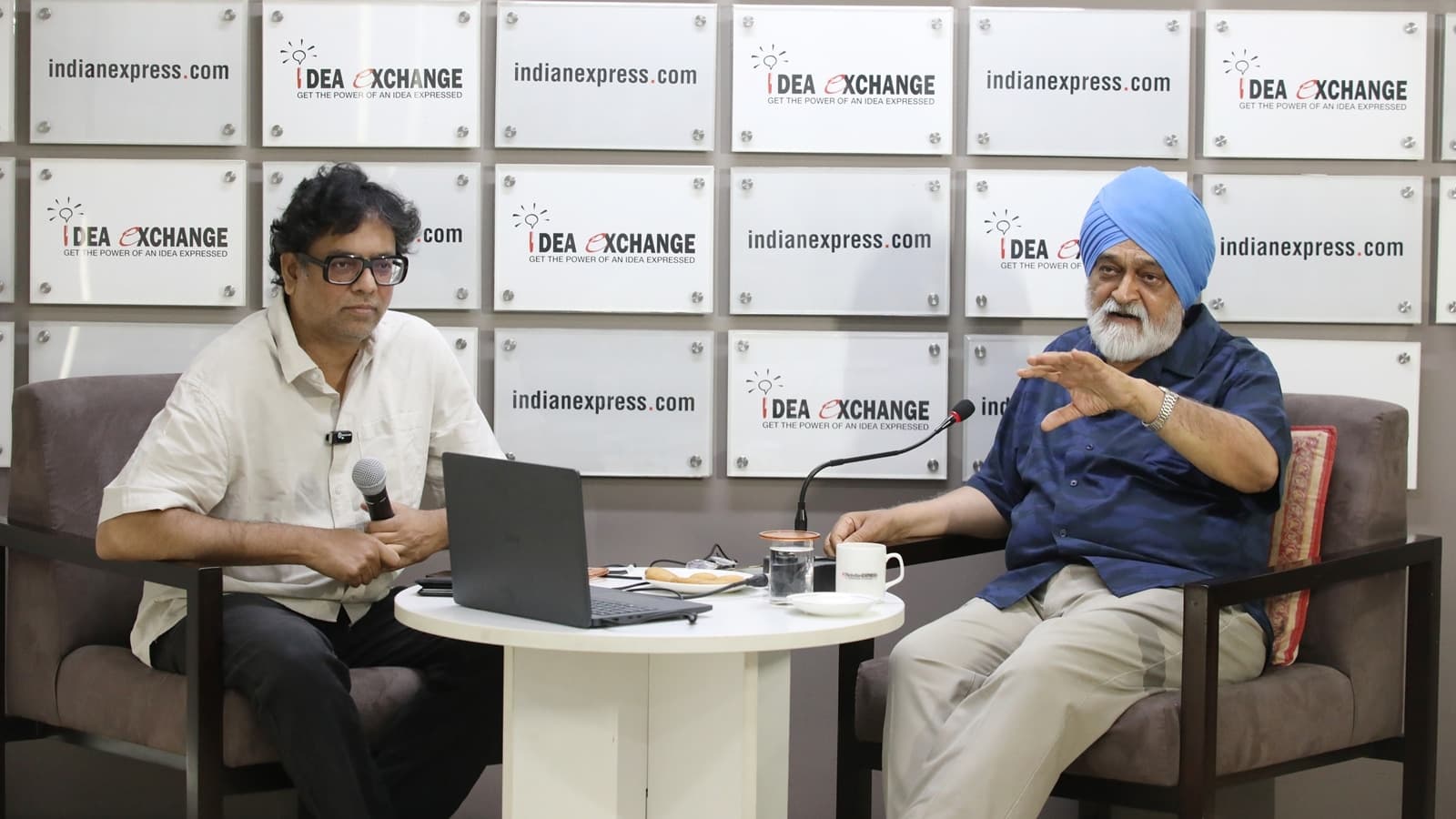
Montek Singh Ahluwalia highlights key economic challenges for India, emphasizing the need for a strategic approach to balance payments and investment.
Indian Express