
Image: BBC Business
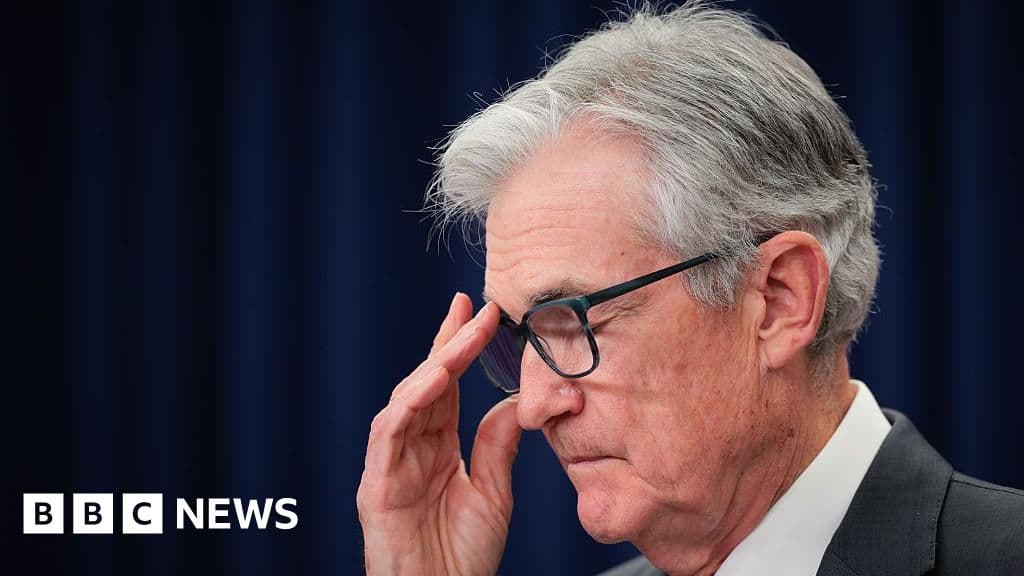
Powell maintains steady rates amid political pressure as he prepares to step down. What does this mean for the Fed's future? Discover key insights.
GlipzoIn a pivotal moment for the U.S. economy, the Federal Reserve has decided to maintain interest rates, a decision unveiled during what may be Jerome Powell's final meeting as chair. The announcement came shortly after Kevin Warsh, Powell's successor, gained approval from a crucial Senate committee, paving the way for his upcoming role next month. As the Fed holds rates steady between 3.5% and 3.75%, many are left questioning the implications of this decision for the financial landscape and how it may affect future monetary policies.
The backdrop of this decision is steeped in economic uncertainty, particularly stemming from the ongoing U.S.-Iran conflict. This geopolitical tension has led to surging energy prices, which are significantly impacting everyday expenses, particularly at the gas pump and in grocery stores. With these pressures mounting, the Fed’s choice to adopt a 'wait and see' approach reflects its desire to assess the full impact of these developments before making any further adjustments to interest rates.
Recent economic data has further complicated the Fed's position. March's inflation figure unexpectedly surged to 3.3%, marking the highest level since May 2024. This spike dashed any immediate hopes for rate reductions in the near future. The Federal Reserve has indicated a willingness to consider rate cuts, but the prevailing economic conditions suggest that such moves may be postponed for a considerable time.
According to Samuel Tombs, chief U.S. economist at Pantheon Macroeconomics, the recent rebound in oil prices—driven by expectations of prolonged U.S. sanctions on Iranian ports—could delay potential rate cuts until 2027. This is indicative of a broader trend where central banks typically increase interest rates to combat high inflation, aiming to curb consumer spending, and subsequently lower rates to stimulate economic activity during downturns.
Although this may be Powell's last meeting as chair, his tenure as a Fed governor extends until 2028. He confirmed that he intends to remain in his position until the legal scrutiny surrounding him and the Federal Reserve concludes. Powell stated, "I will not leave the board until this investigation is well and truly over with transparency and finality, and I stand by that." This statement underscores the ongoing tension between the Trump administration and the Fed, which has seen Powell often criticized by the President throughout his tenure.
The U.S. Attorney for the District of Columbia, Jeanine Pirro, recently indicated that the investigation into Powell will be closed, leading to Senator Thom Tillis lifting his block on Warsh’s appointment. This shift has allowed Warsh to advance towards a full Senate vote for confirmation, although he will likely face the political pressures that have characterized Powell's term.
During the press conference following the Fed's rate decision, Powell expressed concern over the legal challenges posed by the Trump administration, describing them as unprecedented in the Fed's 113-year history. He noted, "These legal assaults are battering the institution and putting at risk the ability to conduct monetary policy without political influence." This highlights a critical issue: the independence of the Federal Reserve in making decisions that affect the economy. Powell's comments reflect a deep-seated worry that ongoing political pressures may hinder the Fed's ability to operate effectively.
As Powell prepares to step aside, the implications for his successor, Warsh, are significant. Powell assured that he would not act as a "shadow chair" and that he would keep a low profile, but his presence on the board could lead to increased scrutiny of Warsh's decisions. The expectation is that Warsh will uphold the Fed’s autonomy, but he could still face similar pressures from the President regarding monetary policy.
As the Federal Reserve navigates these turbulent waters, several key factors will determine its path forward:
In conclusion, as the Federal Reserve stands at a crossroads, the decisions made in the coming months will be critical not just for the institution itself but for the broader U.S. economy. Investors and the public alike should keep a close eye on how these developments unfold, particularly as Warsh prepares to take the helm amid a politically charged environment. The Fed's balance between maintaining independence and responding to external pressures will ultimately shape the economic landscape moving forward.
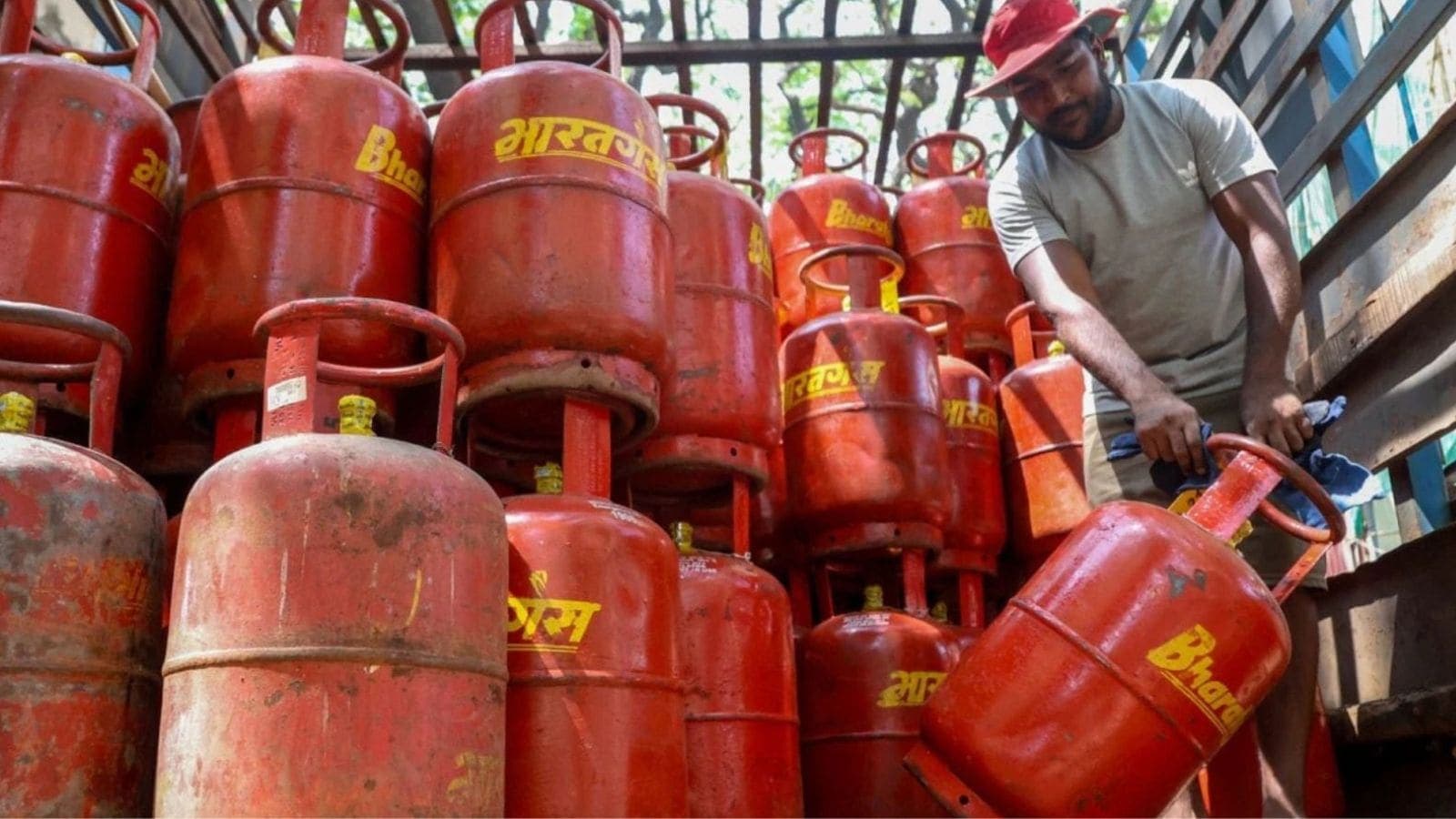
Commercial LPG prices have risen again, with increases of ₹42 in Delhi and ₹53.50 in Kolkata impacting businesses and consumers alike. Find out more.
Indian Express
Discover how a tragic coal mine explosion in Shanxi, China, reveals ongoing safety concerns in the industry amidst a push for green energy.
BBC Business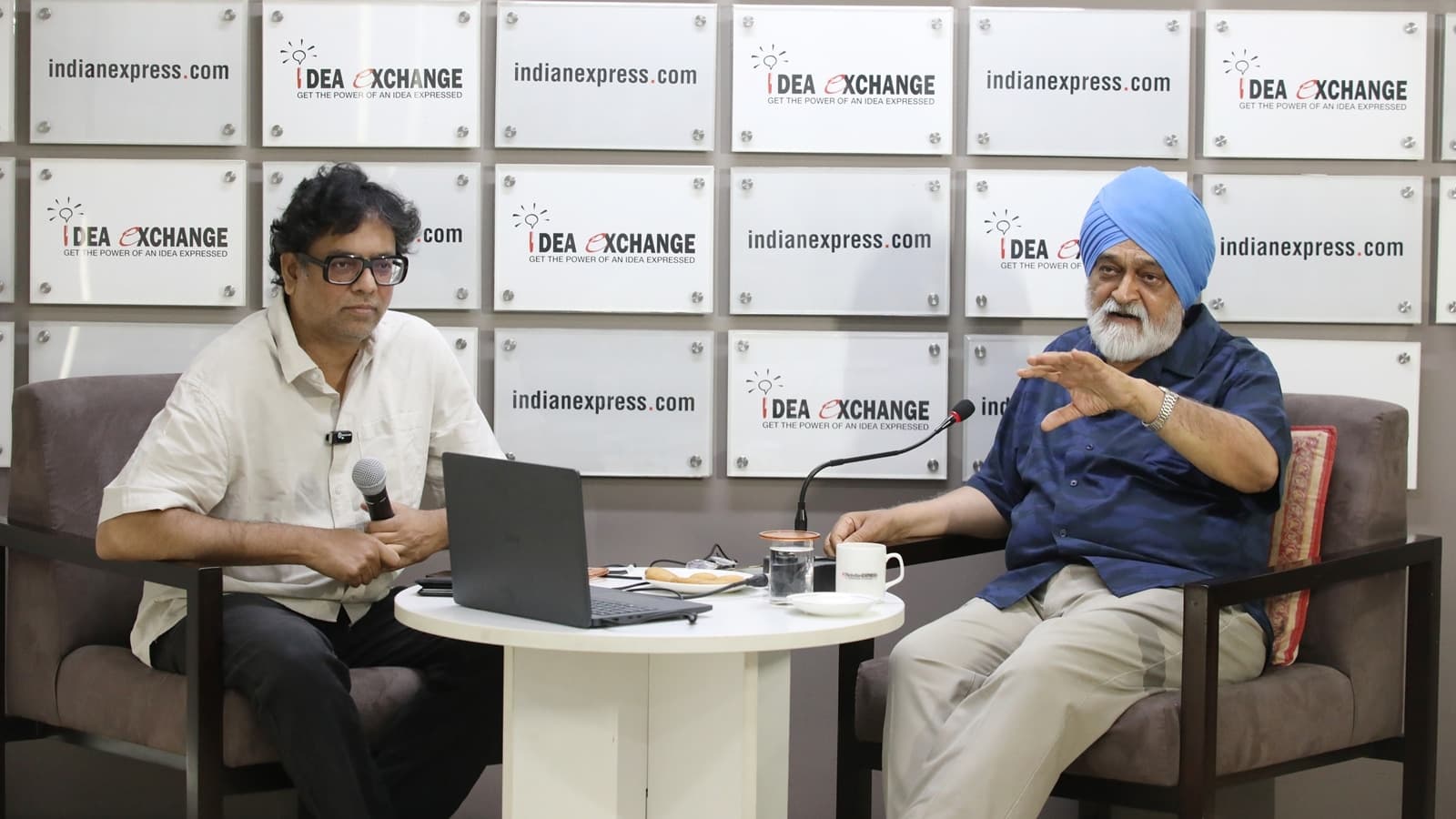
Montek Singh Ahluwalia highlights key economic challenges for India, emphasizing the need for a strategic approach to balance payments and investment.
Indian Express