

Image: Times of India
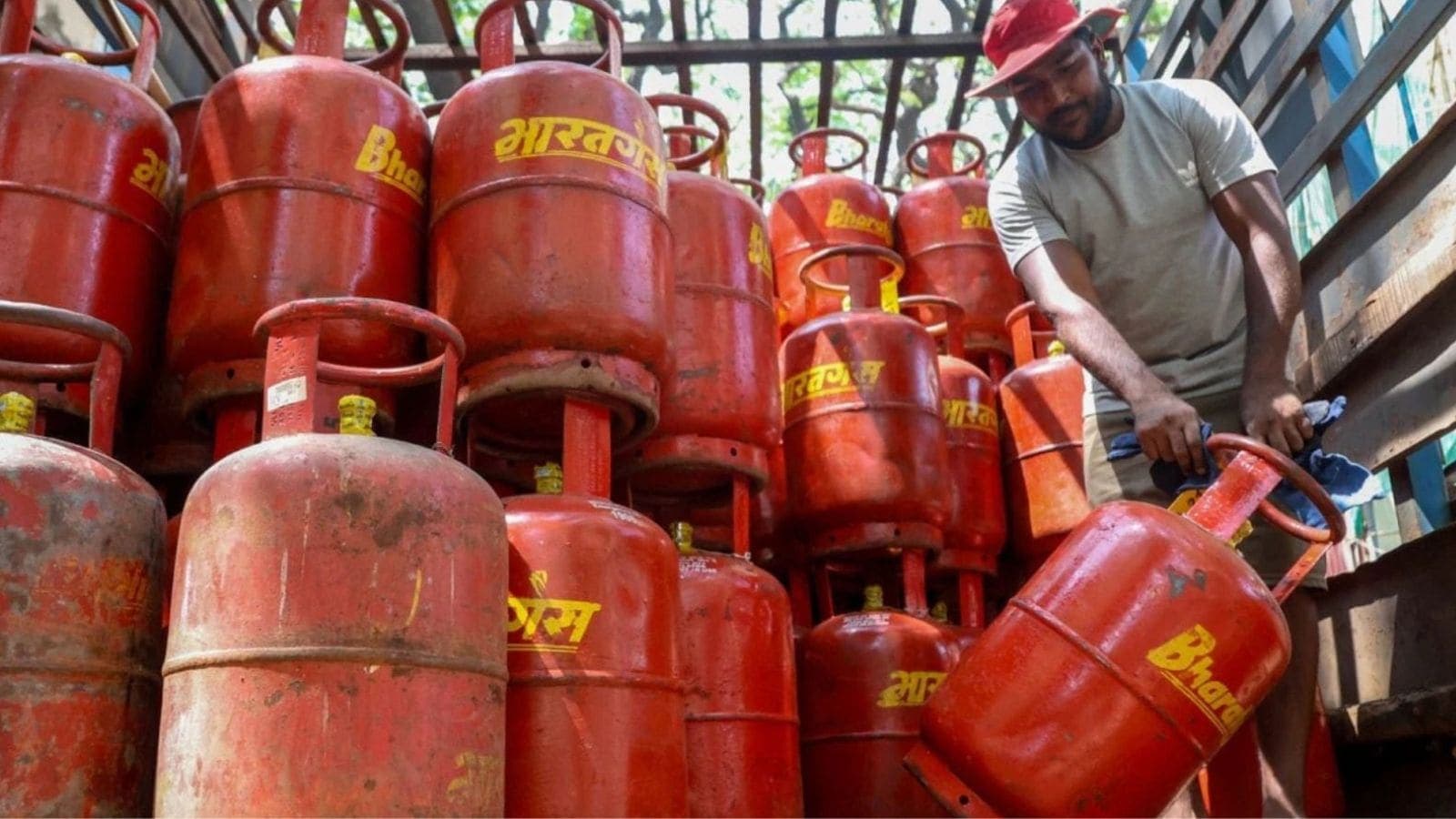
Amid rising LPG shortage fears, oil firms plan to reintroduce kerosene as a backup option, highlighting a significant shift in energy consumption strategies.
GlipzoIn light of rising concerns over potential LPG shortages, oil companies are taking proactive measures to reinstate kerosene as a viable alternative. This shift comes amid fluctuating energy demands and supply chain challenges, prompting industry players to explore backup options to ensure consumers have access to essential cooking fuels.
Kerosene has historically been a staple in many households, particularly in rural areas where access to liquefied petroleum gas (LPG) can be limited. As the LPG market faces uncertainties, discussions around the resurgence of kerosene have intensified, leading to strategic planning among major oil firms.
The growing apprehension regarding LPG availability is fueled by several factors, including geopolitical tensions, market volatility, and supply chain disruptions. With the global energy market experiencing significant fluctuations, there has been a noticeable strain on LPG supplies, raising alarms among consumers and businesses alike.
In particular, the rising prices of LPG have prompted many to reconsider their fuel options. Reports indicate that the sharp increase in demand, coupled with logistical challenges in distribution, has led to higher costs for consumers. As a result, many households are left looking for alternatives to meet their cooking needs.
In response to these challenges, several prominent oil firms are revisiting kerosene as a viable fuel alternative. Executives from these companies have indicated that they are exploring strategies to ramp up production and distribution of kerosene. Key considerations include: - Market Demand: Analyzing consumer preferences and the potential resurgence of kerosene use. - Production Capacity: Assessing the ability to increase kerosene output in light of existing infrastructure. - Safety Regulations: Ensuring that kerosene use complies with safety standards and regulations to protect consumers.
The reintroduction of kerosene is particularly significant for rural communities, where it has long been a primary cooking fuel. As LPG prices continue to rise, kerosene may provide a more affordable option for many families.
Kerosene has been used for centuries as a fuel source, primarily for lighting and cooking. Its popularity surged in the mid-20th century when it became a primary energy source for households lacking access to natural gas. However, with the advent of LPG and natural gas, kerosene's prominence diminished over the years.
Despite its decline, kerosene remains a crucial energy source in many parts of the world, especially in developing nations where access to modern energy resources is limited. As oil companies pivot back to kerosene, it's essential to consider the historical context and the potential benefits it can still offer.
The potential comeback of kerosene has elicited mixed responses from consumers. While some view it as a necessary alternative amid rising LPG costs, others express concerns about the safety and environmental implications of using kerosene in modern households. The oil industry must address these concerns effectively to ensure that any resurgence in kerosene usage is accompanied by a robust public safety campaign.
As oil companies prepare for a possible shift back to kerosene, they must also engage with stakeholders, including government regulators and community leaders, to establish safety protocols and educational initiatives surrounding its use.
The discussions surrounding the resurgence of kerosene highlight the dynamic nature of the energy market and the need for flexibility in response to changing consumer demands. As oil firms plan for potential LPG shortages, the strategic focus on kerosene underscores the importance of having diverse energy options in the face of uncertainty.
Ultimately, the outcome of these discussions will shape the future of energy consumption, especially in regions heavily reliant on traditional fuels. The potential comeback of kerosene not only reflects the evolving landscape of energy resources but also signals a need for consumers to adapt to changing circumstances in the energy market.
Commercial LPG prices have risen again, with increases of ₹42 in Delhi and ₹53.50 in Kolkata impacting businesses and consumers alike. Find out more.
Indian Express
Discover how a tragic coal mine explosion in Shanxi, China, reveals ongoing safety concerns in the industry amidst a push for green energy.
BBC Business
Montek Singh Ahluwalia highlights key economic challenges for India, emphasizing the need for a strategic approach to balance payments and investment.
Indian Express