
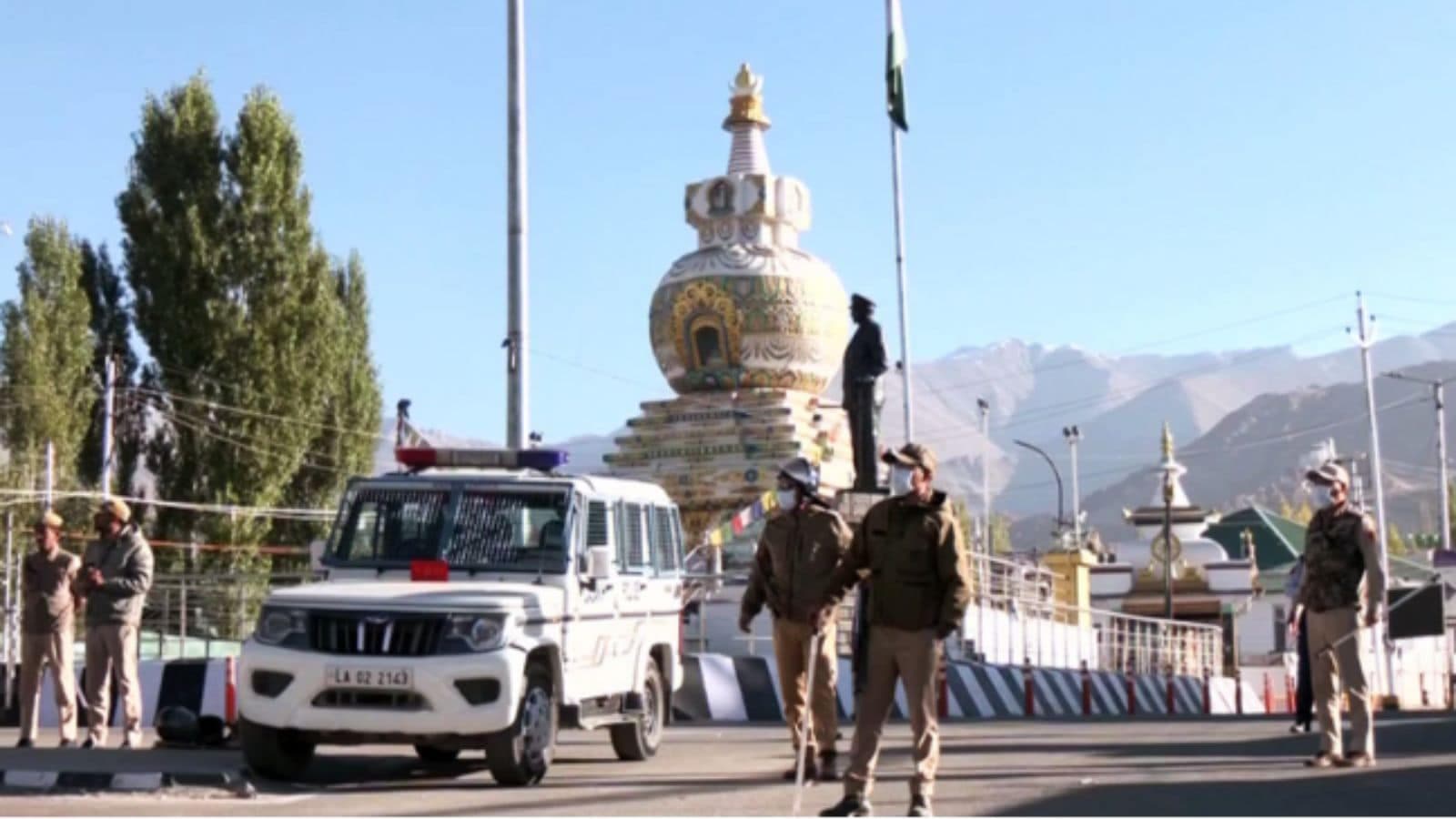
Image: Indian Express
Families in Kargil demand a body exchange point after rivers sweep away their loved ones to Pakistan. Will their plea be heard?
GlipzoOn March 20, a tragic event unfolded in Kargil, when Zulqarnain Ali, just days after celebrating his sixth birthday, and his cousin Ali Akbar (also six) ventured out to play near the Shingo River. This innocent outing turned into a nightmare when the boys slipped into the swift currents of the river, leading to devastating consequences for their families.
While Akbar’s body was found the next day, Zulqarnain’s fate remained uncertain until a WhatsApp call from across the Line of Control (LoC) revealed the heartbreaking truth: his body had been recovered and buried in Gangani, a village in Baltistan, which lies just beyond the border. Zulqarnain’s father, Mohammad Hussain, a teacher, expressed his disbelief, stating, “He would never go towards the river.” Tragically, their playful day ended in loss, leaving families shattered and grieving.
This unfortunate incident is not isolated. Javid Ali, who leads the Al Mehdi Scouts, a group dedicated to searching for bodies in the treacherous waters of the Shingo and Suru Rivers, noted that there have been numerous cases where bodies have been swept away, carried across the border by the powerful currents.
The Shingo River, which flows from Drass towards Kargil, merges with the Suru River near Hundurman, intensifying its already dangerous speed, especially during the summer months. With Hundurman being the last village on the Indian side of the border, its residents face unique challenges in mourning their dead. The village, with a population of just over 200 as recorded in the 2011 census, shares familial ties with its counterpart, Gangani, on the other side of the LoC.
In light of these ongoing tragedies, the community has begun to advocate for a designated exchange point at Hundurman to facilitate the return of bodies swept across the border. Activists like Sajjad Hussain from the Kargil Democratic Alliance are urging for governmental intervention. He stated, “For more than 70 years, families divided between Ladakh and Baltistan have been unable to reunite. This separation extends beyond life itself.”
Hussain is calling for the External Affairs Minister and his Pakistani counterpart to prioritize the establishment of a body exchange mechanism to ensure that families can honor their dead. The situation highlights a deeply emotional and logistical issue that has persisted for decades, affecting countless families.
Zulqarnain's body was eventually recovered after 40 days, a wait that felt unbearable for his family. His father recounts, “Forty days had already passed, and they informed us it would be better to bury him there only.” Although they consented to his burial in Baltistan, the lack of closure remains profound.
“I have not seen any photos of the funeral yet. I am waiting for the pictures,” Zulqarnain’s father lamented, underscoring the emotional toll of not being able to say a proper goodbye. Many families share this grief, still waiting for the necessary closure that comes with properly mourning their loved ones.
The plight of families like Zulqarnain’s highlights the broader implications of geopolitical divisions in the region. The Kargil conflict has not only affected living relations but also complicates how families deal with death and mourning. The river that once served as a natural border now symbolizes a tragic barrier, separating families even in death.
The demand for an exchange point is not merely a logistical issue; it is a plea for dignity in death and a chance for families to find solace. As the community pushes for change, it raises questions about the responsibilities of both governments in facilitating humane and compassionate solutions for grieving families.
As Kargil grapples with these tragic circumstances, the focus will be on whether the governments of India and Pakistan can come to an agreement that will allow for the respectful return of bodies lost to the rivers. Advocacy efforts will likely intensify, and community leaders will continue to raise awareness about the need for a structured body exchange system. As families await answers, the hope remains that no more parents will have to endure the heartache that comes from losing a child to the rivers that divide them.
In the coming weeks, observers will be watching closely for any movements from both governments regarding the establishment of an exchange point, which could help provide closure to grieving families and address a long-standing humanitarian concern in the region.
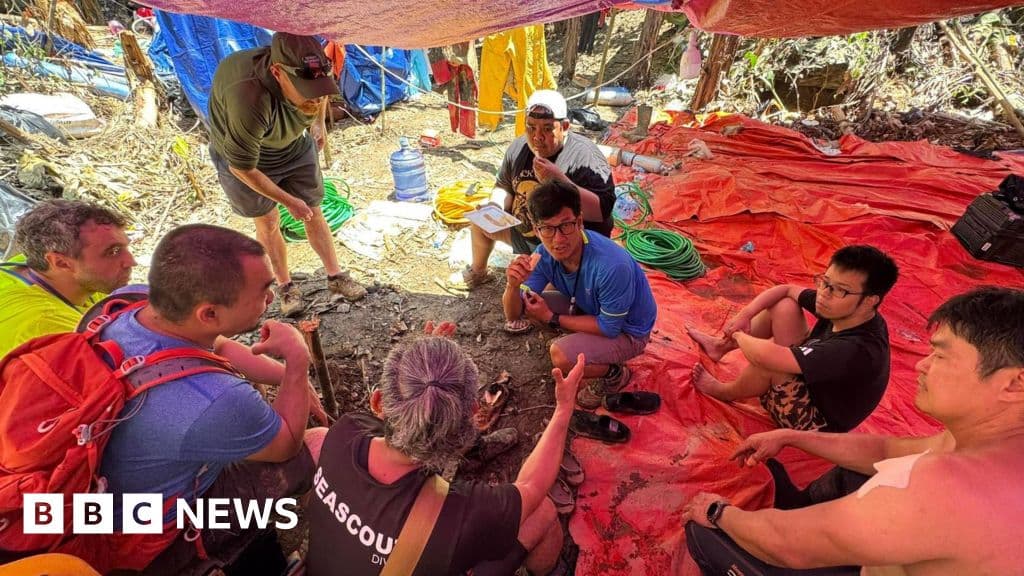
Survivors of the Laos cave rescue are aiding efforts to find the last two missing men trapped inside, sharing crucial insights for the search operation.
BBC World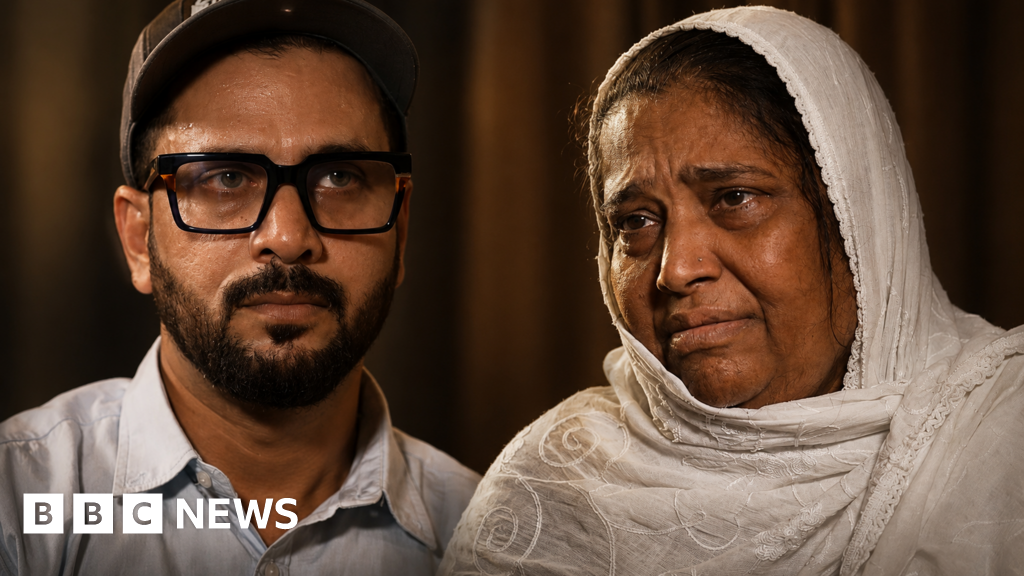
A year after the tragic Air India crash, the Ali family reflects on grief, unanswered questions, and the enduring bonds of love in the face of loss.
BBC Business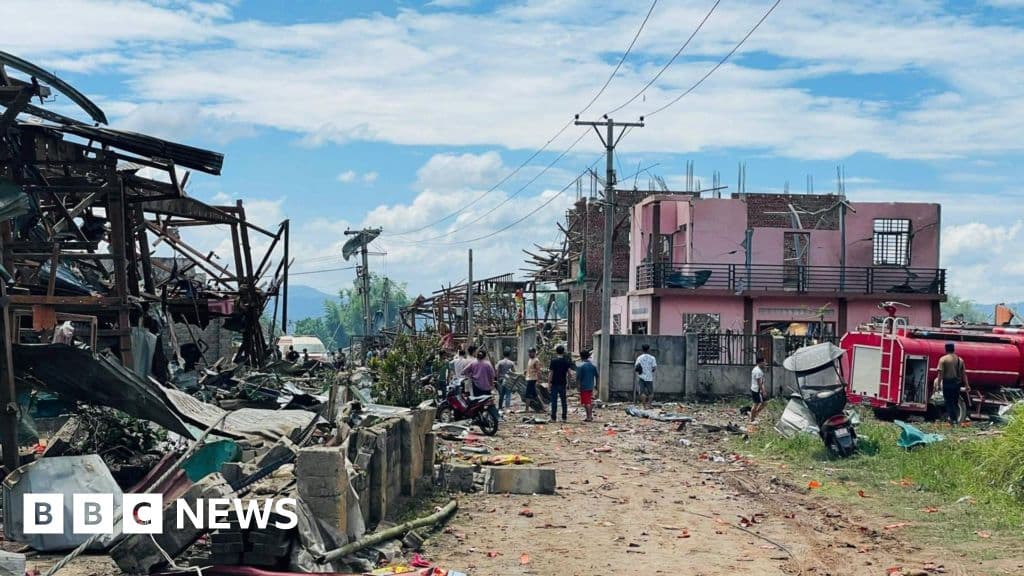
A devastating explosion in Myanmar's Kaung Tat village has killed at least 55 people, raising serious safety concerns and questions about civilian protection in conflict zones.
BBC World