
Image: The Hindu
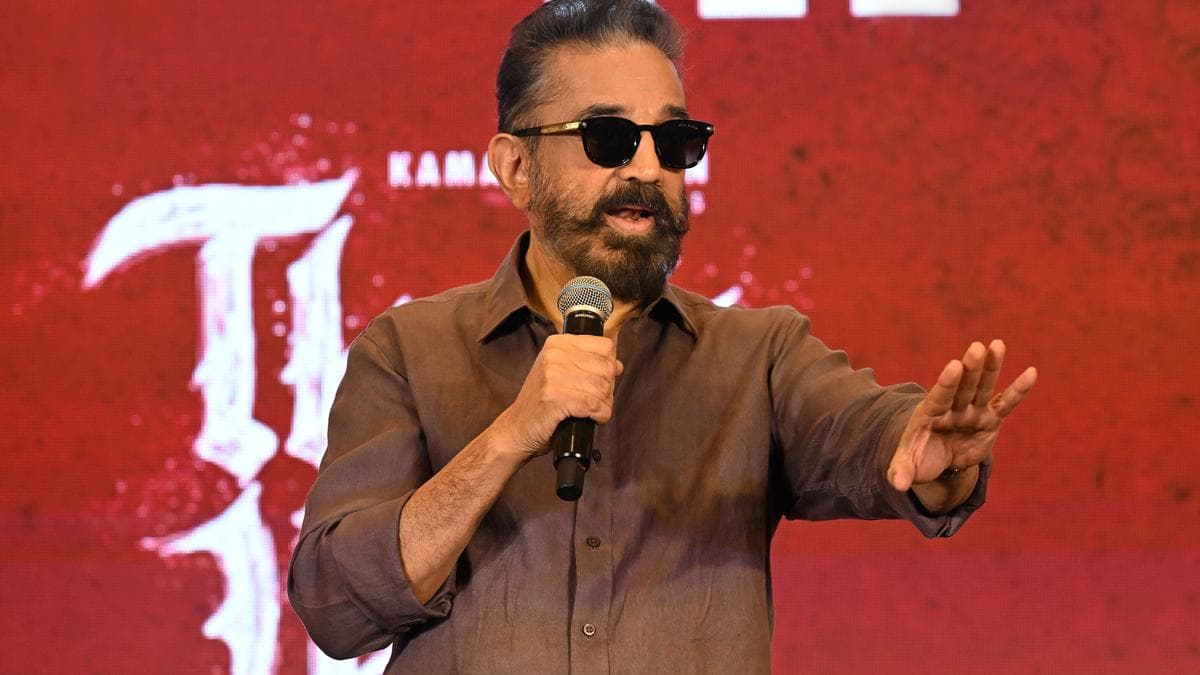
Kamal Haasan urges Tamil media to drop 'censorship' in films, emphasizing the shift towards artistic freedom and the importance of language in film discourse.
GlipzoIn a striking announcement made on March 22, 2026, renowned actor and politician Kamal Haasan called on the Tamil media to abandon the term "censorship" when discussing films. This plea comes in the wake of a significant transformation in India's film regulatory landscape, where the Central Board of Film Certification has replaced the outdated notion of censorship with a more progressive approach to film evaluation. Haasan's statement highlights a growing awareness of how language shapes public perception and policy regarding artistic expression.
Kamal Haasan's assertion is not merely a matter of semantics; it reflects a broader movement within the film industry and society at large to redefine how movies are regulated. The decision to rename the regulatory body signals a crucial shift from a punitive approach to one that emphasizes certification and guidance. This change aims to foster a more open environment for filmmakers, allowing them to explore diverse narratives without the looming threat of censorship.
In his social media post, Haasan emphasized that the term "censorship" has been legally challenged and is now considered obsolete. He argued that a democratic society should not impose censorship on artistic expressions, a principle that resonates deeply within the international film community. By urging the media to drop the term, he hopes to encourage a more nuanced dialogue about film content and its societal implications.
Tamil cinema, known for its vibrant storytelling and cultural representation, has often faced scrutiny regarding its content. Haasan's call to action is rooted in a long-standing belief that artists should be free to express their visions without fear of governmental interference. He expressed his confidence in the resilience of Tamil cinema to uphold this principle and adapt to changing social norms.
By advocating for this shift, Haasan is not only addressing current challenges but also paving the way for future generations of filmmakers. His stance highlights the importance of artistic freedom and the necessity for media to evolve alongside the industry it covers.
The terminology used by the media has significant implications for public discourse and policy-making. By continuing to use the term "censorship," media outlets inadvertently perpetuate the idea that art needs to be controlled or restricted. This can discourage creativity and limit the types of stories that are told, ultimately affecting the richness of cultural narratives.
Kamal Haasan's push against this outdated terminology is crucial for several reasons: - Promotes Artistic Freedom: Emphasizing certification over censorship encourages filmmakers to explore bold and innovative ideas. - Enhances Public Discourse: A shift in language can lead to more constructive discussions around film content and its societal impact. - Reflects Global Trends: As the film industry worldwide moves towards greater acceptance of diverse narratives, India should align with these progressive values.
As India continues to navigate the complexities of artistic expression in an increasingly digital and globalized world, Kamal Haasan's initiative serves as a reminder of the essential balance between regulation and freedom. The future of film in India will likely hinge on how well the industry can adapt to changing societal values while ensuring that artistic voices are not stifled.
In the coming months, it will be interesting to observe whether the Tamil media heeds Haasan's advice and begins to adopt a new lexicon when discussing film regulation. Additionally, it will be critical to watch how filmmakers respond to this shift and whether it leads to a more vibrant and diverse cinematic landscape.
Kamal Haasan’s advocacy for abandoning the term “censorship” signifies a pivotal moment in the discourse surrounding film regulation in India. As society evolves, so too must the language that describes its cultural products. By fostering an environment that values artistic freedom, Tamil cinema can continue to thrive and contribute richly to the global film narrative.
What remains to be seen is how this change will manifest in the industry and its impact on both filmmakers and audiences. As discussions continue, the hope is that Tamil cinema will not only reflect the realities of today but also inspire future generations to challenge boundaries and tell their stories boldly.
Zahan Kapoor reveals an unconventional role in his upcoming film, signaling a significant shift from his breakout success in Black Warrant. What’s next for this rising star?
Bollywood Hungama
Discover how Vishal Jethwa is transforming his physique for Shakti Shalini, emphasizing the mental discipline behind peak fitness.
Bollywood Hungama
Discover the dark truths of urban development in Kammatipaadam, a film that reveals the often-overlooked sacrifices behind city growth.
Indian Express