

Image: TechCrunch
Kalshi faces a temporary ban in Nevada amid a growing legal battle. Discover the implications for prediction markets and regulatory challenges ahead.
GlipzoThe legal actions taken by Nevada are not isolated events. In February, the Nevada Gaming Control Board initiated a lawsuit against Kalshi, aiming to prevent the platform from conducting business in the state. The core of the complaint revolves around Kalshi's failure to secure the necessary gaming licenses required for its operations, as well as its practice of allowing users under the age of 21 to participate, which contradicts state regulations.
Kalshi’s defense rests on its registration with the Commodity Futures Trading Commission (CFTC), which they argue places them under federal oversight, thereby shielding them from certain state laws. However, Judge Woodbury pointed out that the legal complexities surrounding whether federal law can supersede state law remain unresolved. Recent court trends suggest a lack of support for this argument, complicating Kalshi’s position further.
This clash between state and federal authorities has significant implications for the future of prediction markets. While state regulators are tightening their grip, aiming to enforce local gambling laws, federal entities like the CFTC appear to advocate for the protection of prediction markets as a legitimate trading platform. For instance, following Arizona's criminal charges against Kalshi, CFTC Chairman Mike Selig voiced his concerns on social media, labeling the prosecution as a jurisdictional issue that is inappropriate and unnecessary. He confirmed that the CFTC is closely monitoring the situation and considering its options moving forward.
As these developments unfold, stakeholders in the prediction market space will be keeping a close eye on how legal interpretations evolve and what regulatory frameworks might emerge. The outcome could either bolster the legitimacy of prediction markets or trigger stricter regulations that might stifle innovation in the industry.
In conclusion, Kalshi's current legal dilemmas underscore a broader debate about the future of online prediction markets in the United States. As both state and federal authorities navigate these uncharted waters, the implications for users, regulators, and the market as a whole remain to be seen.
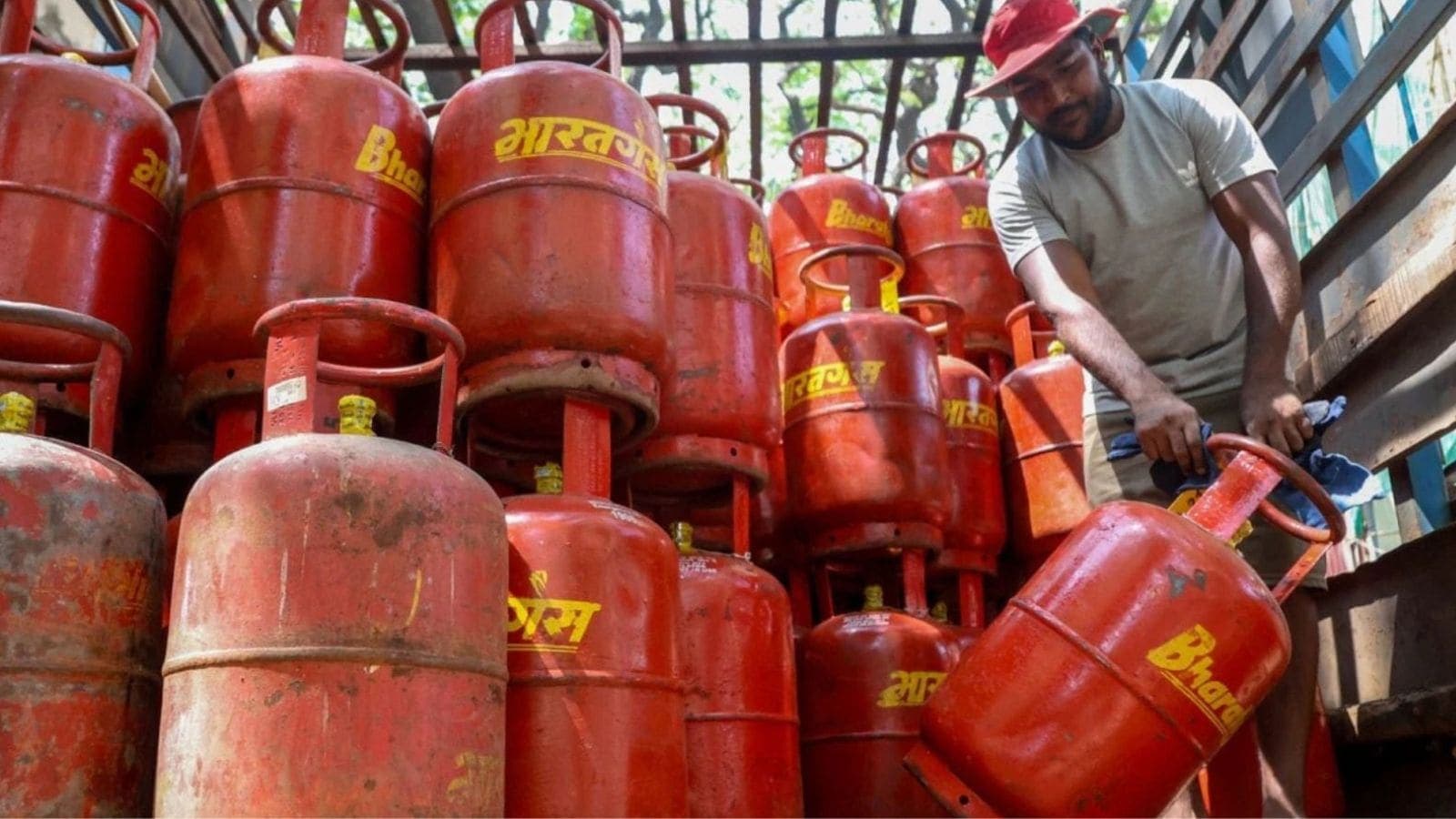
Commercial LPG prices have risen again, with increases of ₹42 in Delhi and ₹53.50 in Kolkata impacting businesses and consumers alike. Find out more.
Indian Express
Discover how a tragic coal mine explosion in Shanxi, China, reveals ongoing safety concerns in the industry amidst a push for green energy.
BBC Business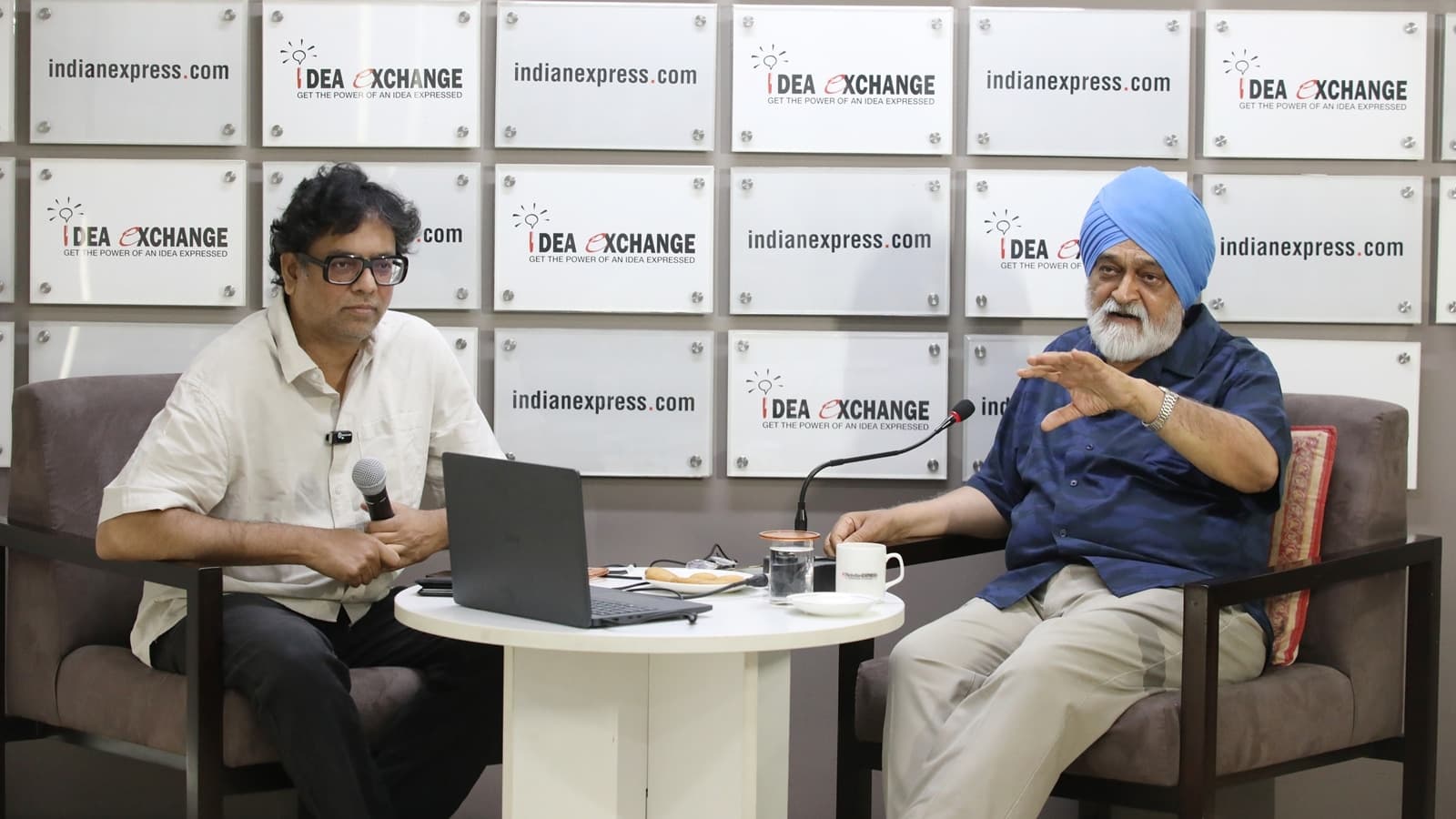
Montek Singh Ahluwalia highlights key economic challenges for India, emphasizing the need for a strategic approach to balance payments and investment.
Indian Express