
Image: The Hindu
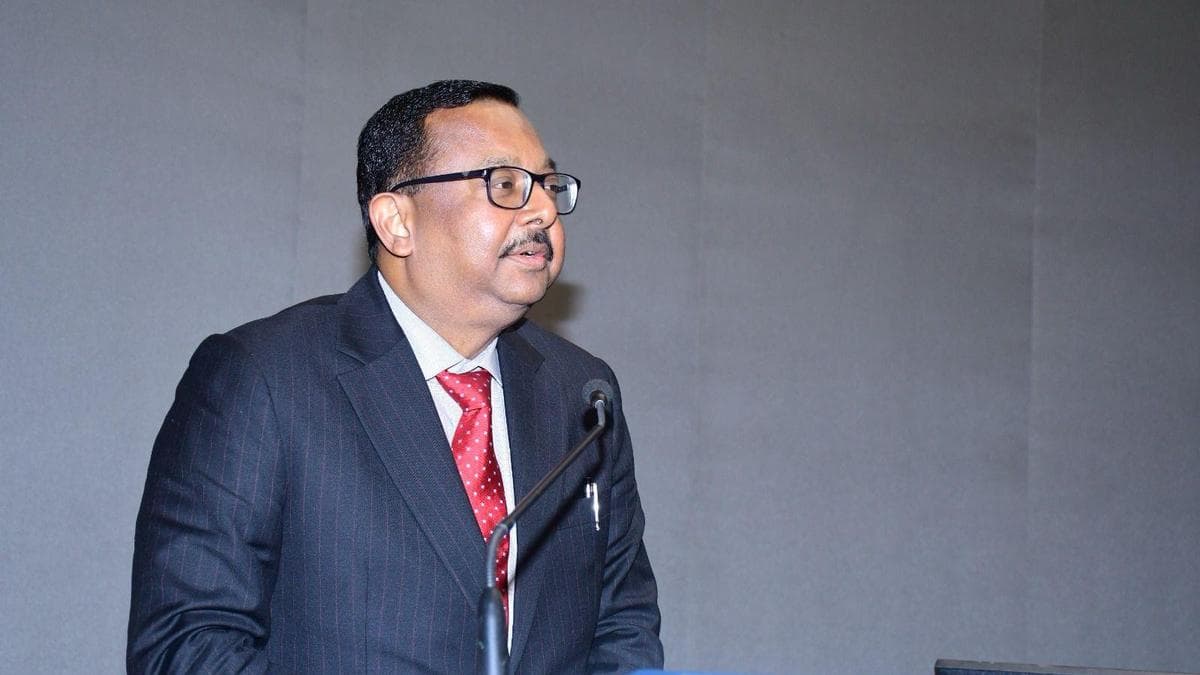
Justice Ujjal Bhuyan critiques the judiciary's role, urging for balance and the need to avoid prolonged incarceration and criminalizing dissent in India's Viksit Bharat.
GlipzoIn a thought-provoking address delivered on March 22, 2026, Supreme Court Justice Ujjal Bhuyan emphasized the critical position of the judiciary in maintaining a balance between authority and accountability. Speaking at the 1st Supreme Court Bar Association National Conference in Bengaluru, he warned against the dangers of the judiciary becoming either overly critical or excessively supportive of the other branches of government.
Justice Bhuyan's comments come at a time when the judiciary's independence is under scrutiny, especially given the increasing instances of prolonged incarceration for undertrials. He pointed out that many judges suffer from what he described as the "more loyal than the king syndrome," suggesting that judges are sometimes too deferential to government authority, which can lead to unjust outcomes for individuals awaiting trial.
During his address, Justice Bhuyan raised significant concerns regarding the judiciary’s role in cases of prolonged detention. He pointed out that the reluctance to grant bail has resulted in many individuals spending months or even years in jail without trial. He stated, "The judiciary must remain judiciary. It is the sentinel on the qui vive (alert)." This statement underscores the vital responsibility of the judiciary to protect individual rights while ensuring justice is served promptly.
The judge expressed frustration over the reckless registration of criminal cases, particularly for non-violent actions like student protests or innocent social media posts. He highlighted the alarming trend of law enforcement utilizing First Information Reports (FIRs) to initiate investigations into trivial matters, consuming valuable judicial resources that could be better allocated elsewhere.
Justice Bhuyan also criticized the overuse of stringent laws such as the Prevention of Money Laundering Act and the Unlawful Activities (Prevention) Act (UAPA). According to his remarks, as of March 2025, a staggering 7,771 Enforcement Case Information Reports (ECIR) had been filed, with only 1,031 arrests leading to a mere 47 concluded trials.
He questioned the rationale behind the continued detention of individuals, especially when the maximum sentence for many offenses is only seven years. The judge noted, "With a conviction percentage being less than 5% and a chance of acquittal being 95%, the question is, why should an accused be confined to jail for years and years together? This cannot be a model for Viksit Bharat." This statement reveals his concern that the current judicial processes are not only inefficient but also unjust.
A key takeaway from Justice Bhuyan's message is the need for a more tolerant society where dissent is not criminalized. He asserted that in a developing nation like Viksit Bharat, it is crucial to foster an environment conducive to debate and the expression of differing views.
"In Viksit Bharat, there should be more space for dissent and debate. Dissent should not be criminalized. There should be more tolerance towards diverse views and criticism," he stated. This call for open dialogue reflects the essential nature of a functioning democracy, where varied opinions can coexist without fear of reprisal.
Justice Bhuyan’s remarks hold significant implications for the future of the judiciary in India. As the country strives for a more developed and equitable society, the judiciary must navigate the complex landscape of governance while remaining impartial and upholding the rule of law. His insights highlight the pressing need for reforms that address not only judicial delays but also systemic issues related to the misuse of laws.
As Justice Bhuyan pointedly noted, the judiciary's credibility hinges on its ability to balance its role as a guardian of justice without succumbing to political pressures or public opinion. The judiciary must strive to be a protector of individual rights while ensuring that the legal system functions efficiently.
Moving forward, stakeholders within the legal system, including lawmakers, judges, and civil society, must engage in constructive discussions to address these challenges. The emphasis on fostering an environment of tolerance and open debate is essential as India moves toward its vision of a prosperous and just society.
In conclusion, Justice Bhuyan's address serves as a crucial reminder of the judiciary's role in safeguarding democracy and individual freedoms. As the nation progresses towards a more developed future, the judiciary must embrace its responsibilities with vigilance and integrity, ensuring justice for all citizens, particularly those who are most vulnerable within the system.

Tensions soar as the US and Iran engage in air strikes near the Strait of Hormuz, raising concerns over global oil supply and regional stability.
BBC World
Trump's international interventions face serious stalemates. What will this mean for U.S. foreign policy? Explore the critical challenges ahead.
Indian Express
Tehran denies resignation of President Masoud Pezeshkian amid claims of IRGC influence. What does this mean for Iran's political stability? Click to learn more!
Indian Express