
Image: Wired
Japan has approved the first-ever treatments using reprogrammed human cells, marking a revolutionary step in regenerative medicine. Discover what this means for the future.
GlipzoOn March 6, 2023, Japan made a monumental leap in regenerative medicine by granting conditional and time-limited marketing authorization to two revolutionary medical products derived from induced pluripotent stem cells (iPS cells). This pivotal moment coincides with the 20th anniversary of the creation of mouse iPS cells, providing the first practical applications of these remarkable technologies in healthcare.
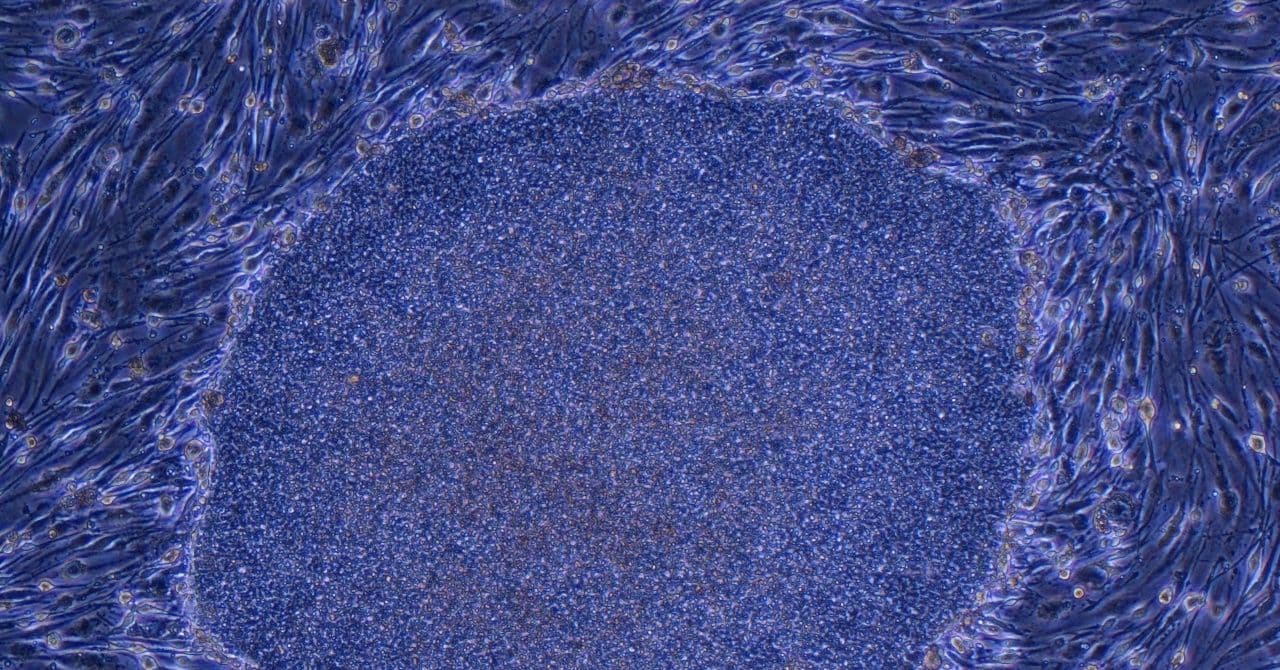
Induced pluripotent stem cells are adult cells that have been genetically reprogrammed to exhibit properties similar to those of embryonic stem cells. These cells can replicate indefinitely and have the potential to differentiate into any cell type, making them invaluable for drug testing and regenerative medicine research. Unlike embryonic stem cells, iPS cells sidestep ethical concerns, offering a groundbreaking avenue for medical innovation.
In a statement about this significant achievement, Shinya Yamanaka, the director emeritus of the iPS Cell Research Institute at Kyoto University, expressed his excitement: "We are very pleased to have taken a major step toward social application on the 20th anniversary of the announcement of mouse iPS cells. It is essential to confirm safety and efficacy in many cases, and we must proceed with scientific caution."
The two approved products are expected to revolutionize treatments for severe medical conditions, showcasing the immense potential of iPS cell technology.
The first product, ReHeart, developed by Qualipse, a startup associated with Osaka University, consists of specialized heart cells called cardiomyocytes derived from healthy donor iPS cells. This innovative treatment is specifically designed for patients suffering from severe heart failure due to ischemic cardiomyopathy, particularly those who have not responded well to conventional therapies, including medications and invasive procedures.
ReHeart's application is groundbreaking, as it addresses the severe limitations associated with heart transplants and artificial hearts, including donor shortages and risks of long-term complications. The procedure involves a surgical operation on the left side of the chest, where three sheets of cardiomyocytes are affixed to the heart's surface. These transplanted cells secrete signaling proteins that promote blood flow and tissue repair.
In a national multicenter study involving eight patients, four exhibited a promising trend toward improvement, with their peak oxygen consumption (VO2 peak) increasing by over 10% within 52 weeks post-transplant.
The second approved product is Amusepri (generic name: laguneprocell), developed by Sumitomo Pharma in collaboration with Racthera. This treatment aims to improve motor symptoms in patients with Parkinson's disease who have not had satisfactory results from existing therapies, including levodopa treatments.
Parkinson's disease is a debilitating neurodegenerative condition characterized by the gradual loss of dopamine-producing neurons in the brain, leading to symptoms such as tremors and muscle rigidity. Current treatments primarily focus on alleviating symptoms rather than restoring lost nerve cells.
Amusepri offers a promising alternative by transplanting precursor cells intended to develop into dopamine-producing neurons directly into the brain. The procedure involves minimally invasive brain surgery, where small holes are drilled in the skull, and the cells are carefully injected into targeted areas.
The approval of these groundbreaking treatments is a pivotal moment in the field of regenerative medicine. By using iPS cells, Japan is paving the way for innovative therapies that could change the landscape of treatment for chronic conditions. This progress not only highlights the potential of stem cell technology but also serves as a beacon of hope for patients who currently have limited options.
The emergence of ReHeart and Amusepri signals a new era in medical treatments that harness the body's own cellular mechanisms for healing. As these products move forward, the focus will shift towards rigorous testing to ensure their safety and effectiveness across broader patient populations.
In the coming years, we can anticipate: - Further advancements in stem cell research and applications. - Increased collaboration between biotech startups and established pharmaceutical companies to expedite the development of innovative therapies. - Ongoing discussions regarding the ethical implications and regulatory frameworks surrounding regenerative medicine.
As we look to the future, the potential for iPS cells to transform treatment paradigms in various medical fields remains vast. The global medical community will be watching closely as Japan sets the stage for the next generation of regenerative therapies, potentially influencing practices worldwide. The excitement surrounding these developments may usher in a new wave of treatments that could significantly improve the quality of life for millions suffering from chronic diseases.

Shocking findings from Nottingham's maternity unit reveal a toxic culture and alarming neglect. What can be done to improve care? Discover the details.
BBC Health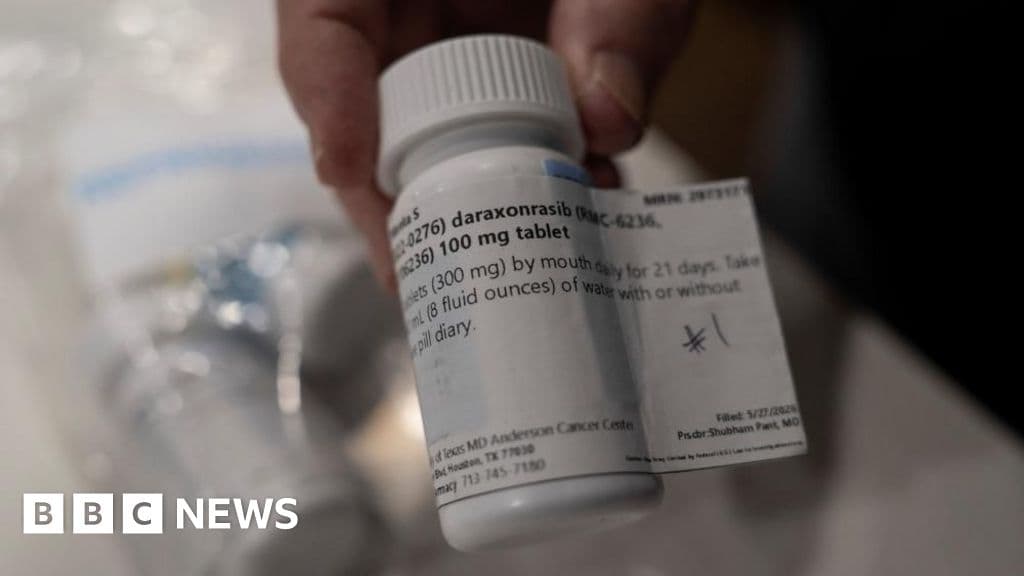
Discover how daraxonrasib, a new pill, is nearly doubling survival rates for pancreatic cancer patients, offering hope in a challenging battle against this deadly disease.
BBC Health
Waste companies propose a £5 deposit on vapes to encourage proper disposal and curb littering as the environmental impact of vapes increases.
BBC Business