
Image: BBC World
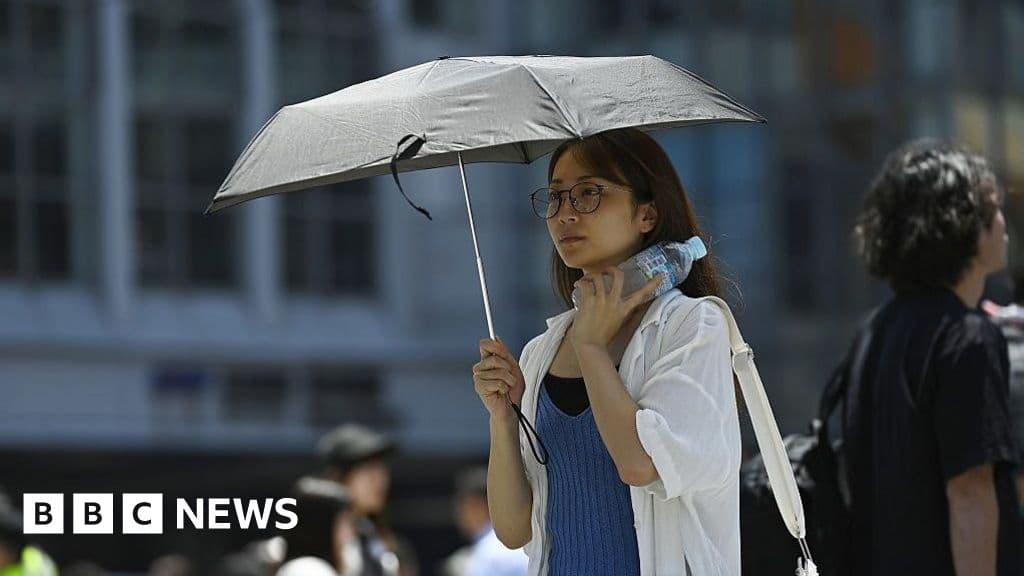
Japan introduces 'kokushobi' for days over 40°C after record heat, reflecting urgent climate change awareness and adaptation efforts. Learn more!
GlipzoJapan has officially introduced a new term to describe extreme heat days, marking a significant response to the unprecedented summer temperatures that the nation experienced in 2025. The term kokushobi, translated as "cruelly hot," "brutally hot," or "severely hot" day, aims to encapsulate the severity of days when temperatures soar above 40°C (104°F). This initiative comes after Japan recorded its hottest summer on record, highlighting the urgent need for awareness regarding rising temperatures and climate change.
The introduction of kokushobi was announced by the Japan Meteorological Agency (JMA), which conducted a national survey to find a fitting name for such extreme heat days. The survey, conducted during February and March, garnered approximately 478,000 responses, where participants chose from 13 different options. Kokushobi emerged as the clear favorite, while the runner-up was the phrase "super extremely hot day."
This new terminology reflects a growing concern not only in Japan but globally regarding extreme weather events. The relentless rise in temperatures is largely attributed to human activities, particularly the burning of fossil fuels. As countries grapple with the impacts of climate change, Japan's proactive measure to name and address extreme heat days serves as a crucial reminder of the challenges that lie ahead.
Last summer was particularly alarming for Japan, as it became the hottest season on record, surpassing temperatures that have been tracked since 1898. The average temperature nationwide was 2.36°C above the historical norm, with temperatures exceeding 40°C on nine separate occasions from June to August. The city of Isesaki even recorded a staggering peak of 41.8°C, setting a new national record.
The increase in extreme heat days is not just a statistical anomaly. In Tokyo, residents endured 25 days with temperatures over 35°C, a stark contrast to the historical average of just 4.5 days. Similarly, Kyoto faced 52 days above that threshold, compared to an average of 18.5 days. This alarming trend underscores the urgency for Japan to adapt to a rapidly changing climate.
Naming weather phenomena may seem trivial, but it serves a significant purpose in public awareness and preparedness. By adopting the term kokushobi, the JMA aims to foster a greater understanding of the dangers associated with extreme heat.
Looking ahead, the JMA has already predicted a high likelihood of above-average temperatures for the upcoming summer months, specifically from June to August. This forecast serves as a critical warning for residents and officials alike to prepare for potentially devastating heatwaves.
As climate change continues to intensify, Japan, like many other nations, will need to adapt its infrastructure and public health strategies to mitigate the effects of extreme weather. The introduction of kokushobi could serve as a stepping stone toward more robust climate action initiatives, both in Japan and worldwide.
The introduction of kokushobi is more than just a new term; it symbolizes an acknowledgment of the severe challenges posed by climate change. As extreme weather patterns become increasingly common, nations must prioritize climate adaptation and mitigation strategies. This proactive approach not only protects public health but also fosters a dialogue about the urgent need for global action against climate change.
As the world watches Japan's response to its rising temperatures, it will be crucial to observe how the country implements measures to cope with the realities of a warming planet. The naming of kokushobi could inspire other nations to similarly address and name their extreme weather events, thereby enhancing global awareness and preparedness in the face of climate change challenges.
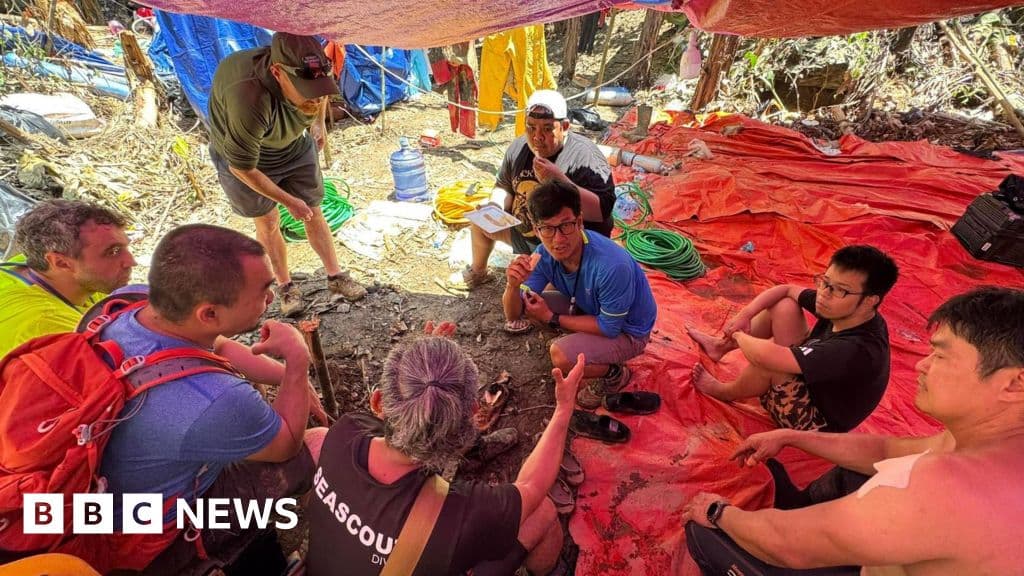
Survivors of the Laos cave rescue are aiding efforts to find the last two missing men trapped inside, sharing crucial insights for the search operation.
BBC World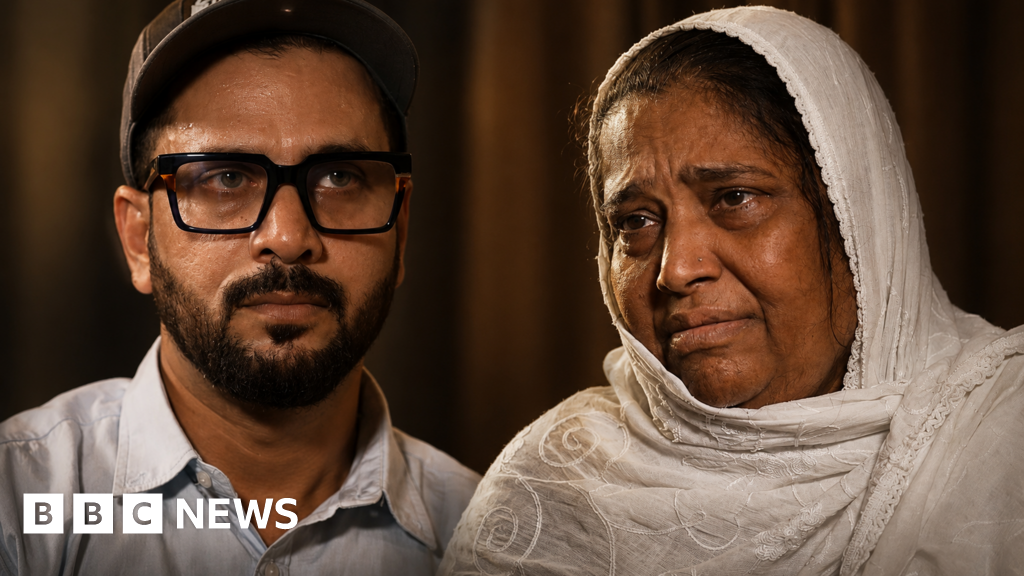
A year after the tragic Air India crash, the Ali family reflects on grief, unanswered questions, and the enduring bonds of love in the face of loss.
BBC Business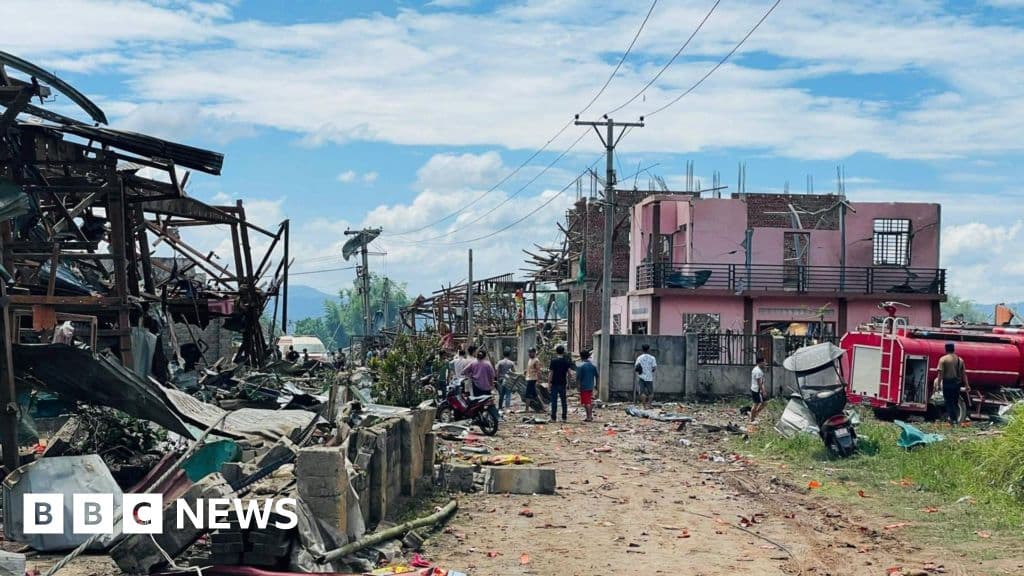
A devastating explosion in Myanmar's Kaung Tat village has killed at least 55 people, raising serious safety concerns and questions about civilian protection in conflict zones.
BBC World