

Image: Times of India
India's Jag Laadki arrives in Gujarat with crude oil from Hormuz, marking a crucial step in enhancing energy security and economic stability.
GlipzoOn October 8, 2023, the Jag Laadki, a notable Indian vessel, successfully docked at the Gujarat coast, marking a significant moment in India's crude oil supply chain. This delivery is particularly important as it represents the third vessel arriving from the Strait of Hormuz, a crucial route for global oil transportation. Given the geopolitical implications of oil imports, this event has garnered attention from industry experts and analysts alike.
The Strait of Hormuz is a strategic chokepoint through which approximately 20% of the world's oil passes. For India, which is one of the largest oil importers globally, the reliability of this route is essential for meeting its energy needs. The arrival of Jag Laadki not only underscores the robustness of India's maritime logistics but also highlights the importance of maintaining strong trade routes amidst fluctuating global geopolitics.
The Jag Laadki's journey is part of a broader initiative to enhance India’s energy security. With rising global demand and fluctuating prices, ensuring a consistent supply of crude oil is vital for the country’s economic stability. This delivery is expected to contribute significantly to India's refining capabilities, supporting various industries and sectors dependent on crude oil.
The Jag Laadki, operated by Jagson International, is equipped with advanced technology and safety measures, making it a reliable player in the shipping sector. The vessel embarked on its journey from the Strait of Hormuz, a route often marred by geopolitical tensions. Despite these challenges, the successful delivery of crude oil reflects the resilience of Indian shipping operations.
Key details about the Jag Laadki's operation and its significance: - Ship Operator: Jagson International - Route: From the Strait of Hormuz to Gujarat - Cargo: Crude oil, critical for India's refining industries - Significance: Third successful delivery from this route in recent months
This delivery not only aids in stabilizing domestic oil prices but also reinforces India's commitment to securing energy supplies from diverse sources, particularly from the Middle East.
India’s economic growth is intrinsically linked to its energy consumption. As one of the fastest-growing economies in the world, India’s demand for energy is expected to rise substantially over the coming years. Crude oil is a major driver of this demand, and ensuring a steady supply is paramount for sustaining growth and development.
The arrival of the Jag Laadki is a testament to India’s efforts to bolster its energy independence and reduce reliance on uncertain foreign sources. This move is particularly crucial in the context of emerging technologies and the global shift towards renewable energy. The Indian government is actively investing in both conventional and renewable energy sources, aiming for a balanced and sustainable energy portfolio.
As India continues to navigate the complexities of global oil markets, the successful delivery of crude oil via vessels like Jag Laadki may set a precedent for future operations. Key factors to monitor include: - Geopolitical Stability: The dynamics in the Middle East and their impact on oil supply. - Domestic Refining Capacity: How the influx of crude oil affects local refineries and pricing. - Energy Policies: Developments in India’s energy policies that may arise in response to these deliveries.
Looking ahead, analysts predict that continued investment in maritime logistics and energy infrastructure will be crucial for India’s economic resilience. The government is likely to focus on enhancing maritime capabilities and securing trade routes, which will be vital for sustainable growth.
In summary, the arrival of Jag Laadki in Gujarat is more than just a routine delivery; it symbolizes India’s ongoing efforts to secure its energy future amidst a landscape of global uncertainty. As the nation moves forward, the interplay between crude oil supply and geopolitical factors will remain a critical area of focus for policymakers and industry stakeholders alike.
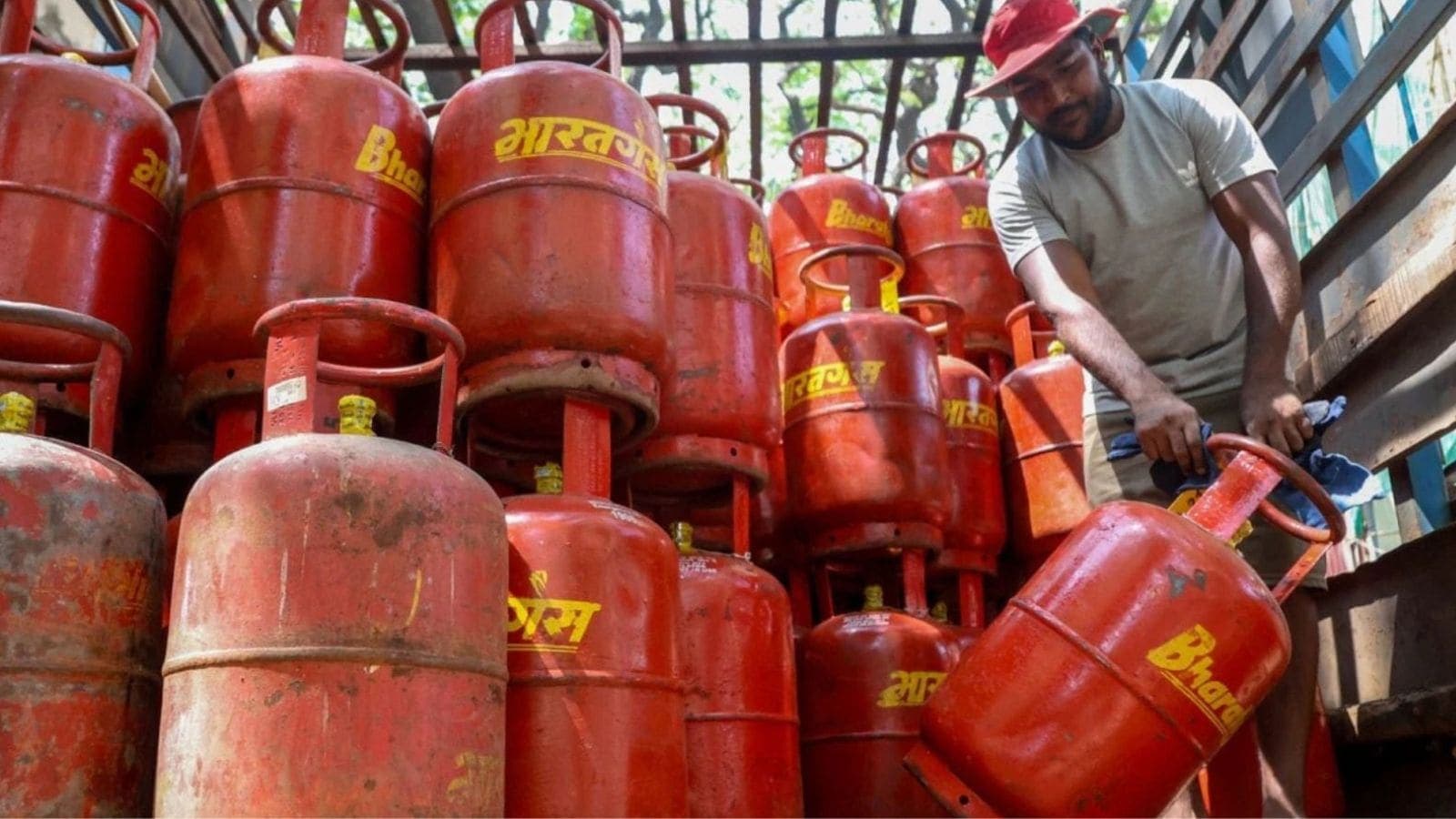
Commercial LPG prices have risen again, with increases of ₹42 in Delhi and ₹53.50 in Kolkata impacting businesses and consumers alike. Find out more.
Indian Express
Discover how a tragic coal mine explosion in Shanxi, China, reveals ongoing safety concerns in the industry amidst a push for green energy.
BBC Business
Montek Singh Ahluwalia highlights key economic challenges for India, emphasizing the need for a strategic approach to balance payments and investment.
Indian Express