
Image: BBC World
Milan's iconic bull mosaic undergoes restoration after years of tourist damage. Discover the lucky tradition and its cultural significance in this historic arcade.
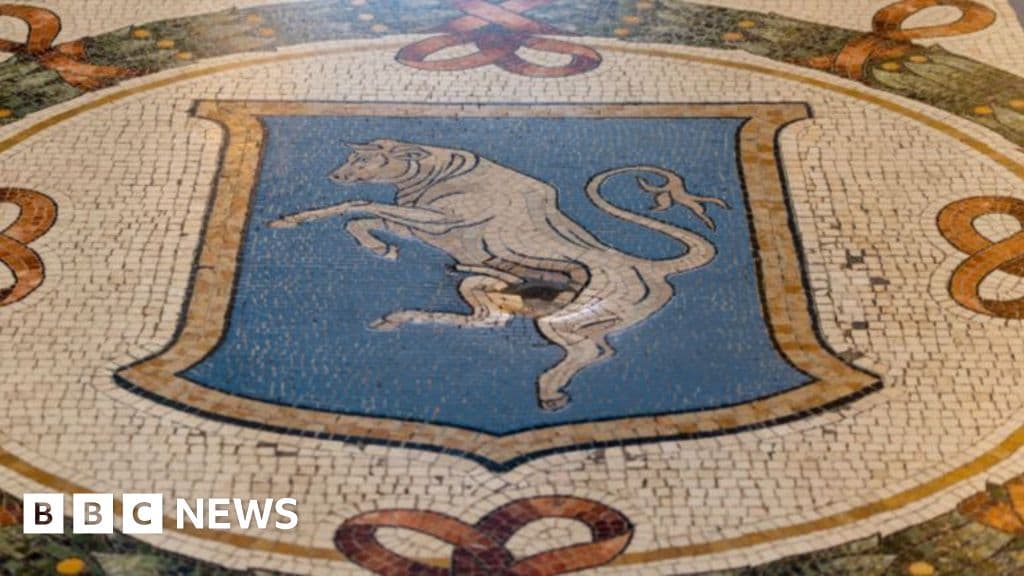
GlipzoThe iconic bull mosaic located in Milan's historic Galleria Vittorio Emanuele II is undergoing restoration after years of tourist foot traffic have taken a toll on its craftsmanship. This mosaic features a striking depiction of a prancing bull surrounded by a decorative coat of arms, symbolizing the city of Turin, Italy's first capital.
For years, the mosaic has attracted countless visitors who believe that performing a specific ritual on the bull's testicles brings them good luck. The tradition involves tourists grinding their heels on the mosaic's delicate tiles and spinning three times in a clockwise direction.
As a result of this popular practice, the mosaic has suffered significant wear, particularly in the area known as the bull's "lucky spot." To those who partake in the tradition, this area holds a special significance, as it symbolizes fortune and the hope of returning to Milan.
This week, restoration efforts commenced with the establishment of a small construction site around the mosaic. Craftsperson Gianluca Galli has been tasked with revitalizing the artwork, which has become a cherished part of Milan's cultural landscape. Observers watched as Galli meticulously cut new pieces of stone by hand, ensuring that the mosaic retains its original beauty.
City councillors Emmanuel Conte and Marco Granelli emphasized the importance of preserving the Galleria as a living heritage site. In a statement, they noted, "The Galleria is a living heritage, which can wear away precisely because it is loved and experienced: we take care of it so that it continues to be so."
The last time the bull mosaic underwent restoration was in 2017, highlighting the ongoing need for care and preservation of this historic artwork. With thousands of visitors interacting with the mosaic daily, the restoration is critical to maintaining its integrity for future generations.
The Galleria Vittorio Emanuele II, completed in 1877, is not only a shopping destination but also a landmark that showcases Milan's architectural splendor. The bull mosaic within this grand arcade has become an integral part of the city's identity. Tourists and locals alike flock to the site, eager to participate in the age-old ritual that promises good fortune.
In Milanese culture, the belief in the bull's luck is deeply ingrained, making the mosaic more than just a piece of art. It represents the intersection of tradition, community, and the city's vibrant history. The ongoing restoration serves as a reminder of the balance between honoring these traditions and preserving the art that embodies them.
While tourism can bolster local economies, it often comes at a cost to cultural heritage sites. The wear and tear caused by foot traffic is a common issue faced by many historic locations around the world. In the case of the bull mosaic, the damage illustrates the challenges of maintaining art in high-traffic areas.
The situation prompts important conversations about the responsibility of tourists and the need for sustainable practices that can ensure the longevity of these cherished sites. As Milan's city council embraces the challenge of preserving the bull mosaic, they will likely explore methods to protect it from further damage while still allowing visitors to engage with it.
As restoration efforts progress, there is a renewed sense of excitement surrounding the bull mosaic. Once the work is completed, visitors will once again be able to engage with this iconic symbol of luck without fear of further wear. The restoration not only aims to repair the physical mosaic but also to rejuvenate the tradition that has become an essential part of the experience for those visiting Milan.
Looking ahead, it will be interesting to see how the city balances the preservation of this beloved artwork with the influx of tourists. Will they implement measures to mitigate damage while still allowing visitors to participate in the good luck ritual? How will the local community engage with this symbol of their culture moving forward? These questions remain open as Milan continues to navigate the relationship between heritage and tourism.
In conclusion, the restoration of the bull mosaic in the Galleria Vittorio Emanuele II is more than just an art project; it is a significant step in preserving Milan's cultural identity. By addressing the wear caused by tourism, the city is taking proactive measures to ensure that this treasured piece of history remains a source of luck and joy for generations to come.
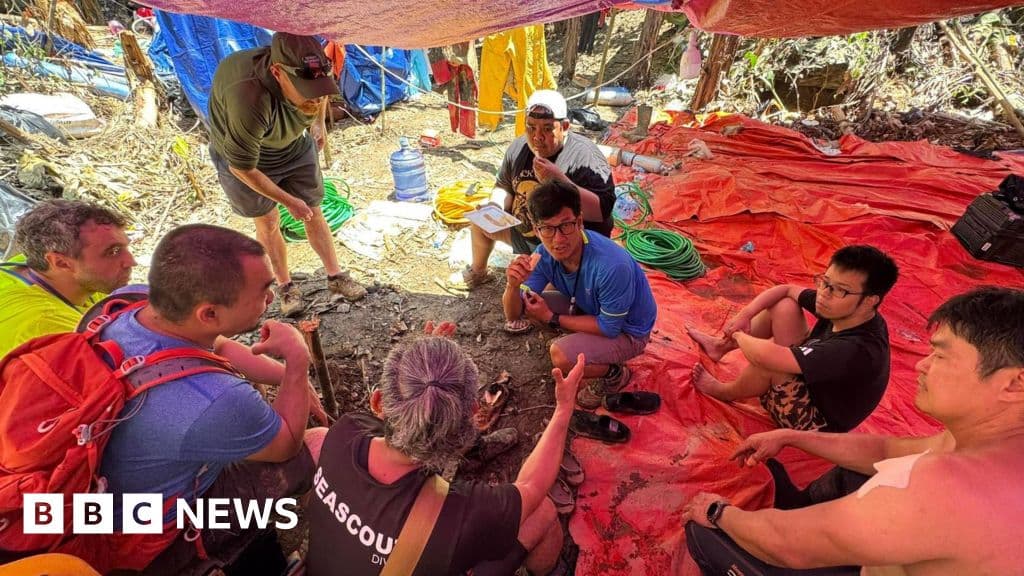
Survivors of the Laos cave rescue are aiding efforts to find the last two missing men trapped inside, sharing crucial insights for the search operation.
BBC World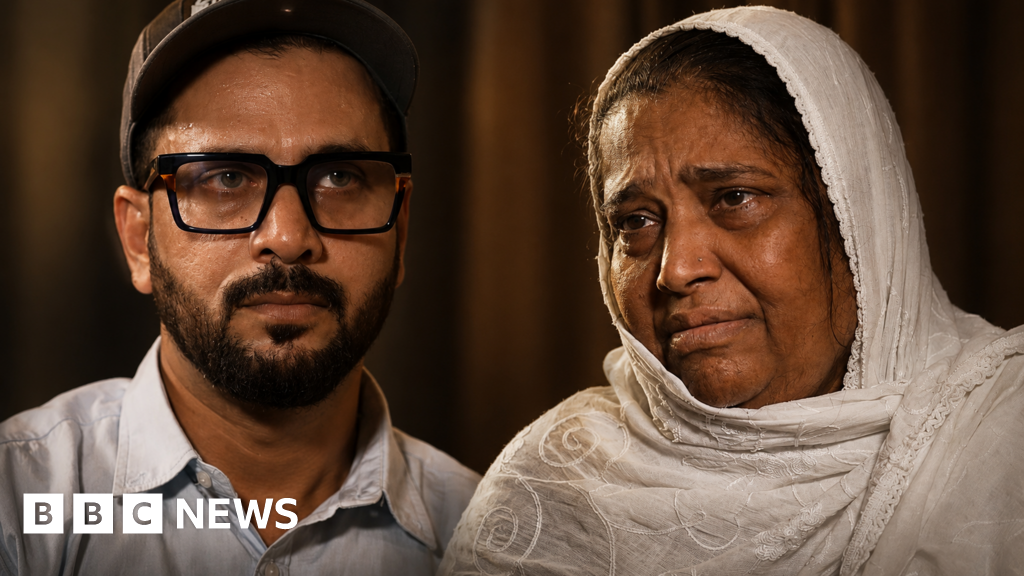
A year after the tragic Air India crash, the Ali family reflects on grief, unanswered questions, and the enduring bonds of love in the face of loss.
BBC Business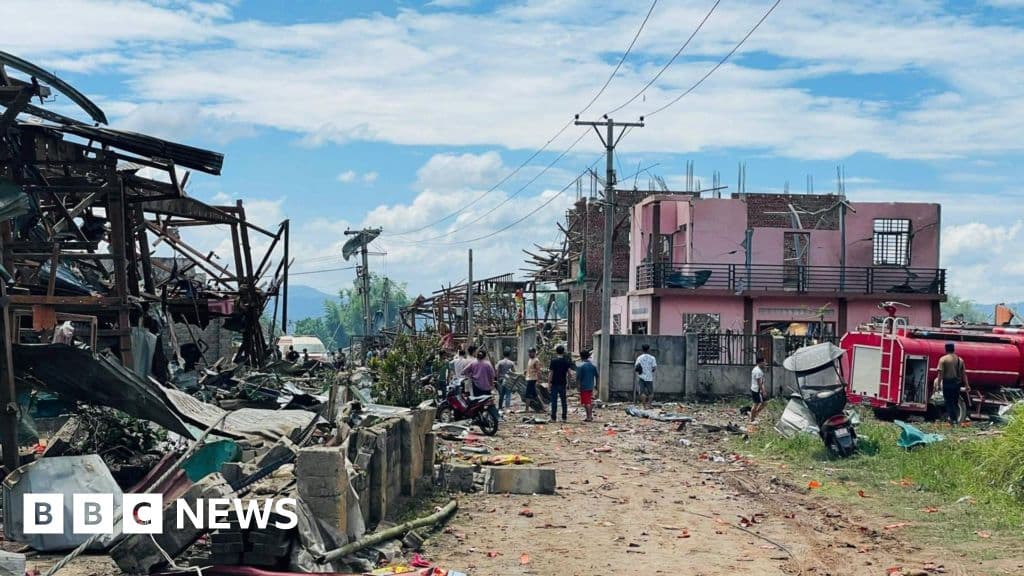
A devastating explosion in Myanmar's Kaung Tat village has killed at least 55 people, raising serious safety concerns and questions about civilian protection in conflict zones.
BBC World