
Glipzo
WorldTechnologyBusinessSportsEntertainmentScienceHealthPolitics
Glipzo
WorldTechnologyBusinessSportsEntertainmentScienceHealthPolitics
  1. Home
  2. /
  3. Business
  4. /
  5. Italian Court Rules Hotel Lawsuit Over Tap Water Unfounded
Italian Court Rules Hotel Lawsuit Over Tap Water Unfounded

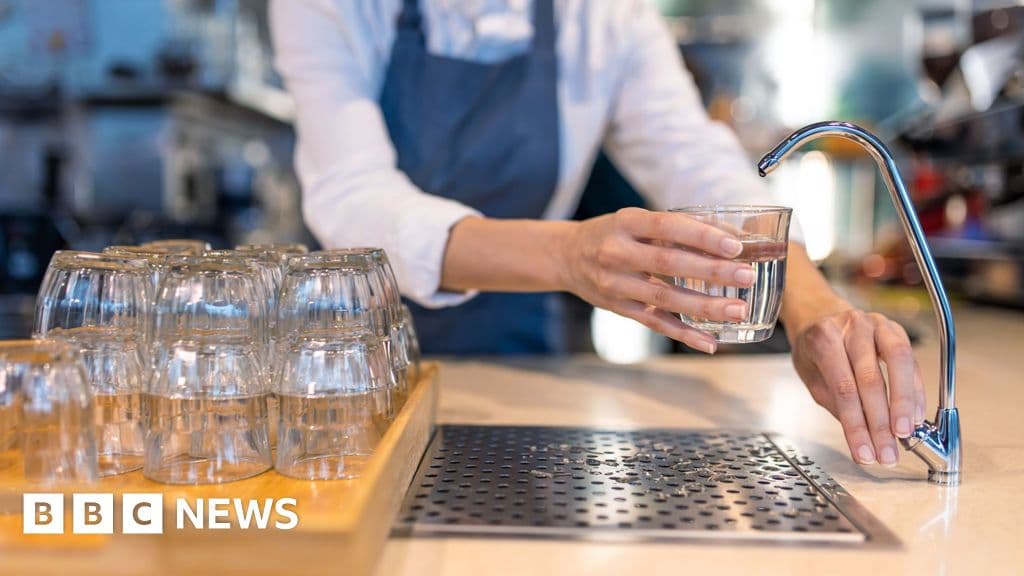
Image: BBC World

Business
Thursday, May 28, 20264 min read

Italian Court Rules Hotel Lawsuit Over Tap Water Unfounded

Discover why Italy's Supreme Court sided with a hotel over a tourist's tap water claim in a landmark ruling that shapes hospitality practices.

Glipzo News Desk|Source: BBC World
Share
Glipzo

Key Highlights

  • Italian court rules hotels are not required to serve tap water.
  • Tourist sought €2,700 for emotional distress after tap water refusal.
  • High-end establishments often prioritize bottled over tap water.
  • Legal contrast: England mandates free drinking water service.
  • Ruling may influence future hospitality policies in Italy.

In this article

  • A Landmark Ruling in Italy's Hospitality Sector In a surprising decision, **Italy's highest court** has upheld a five-star hotel’s right to refuse tap water service to guests. This ruling emerged from a case involving a tourist from **Rome**, who sought compensation after being offered only **bottled mineral water** at the **Hotel Sassongher** in Corvara during the winter ski season of **2019**. The decision has ignited discussions about customer rights and the practices within high-end hospitality establishments.
  • Court Proceedings and Arguments Legal representation for the hotel, lawyer **Silvio Belardi**, explained to local media that the court found the hotel’s actions justified. “There is no obligation to supply tap water,” he reiterated. This conclusion was reached after the case was initially dismissed by a **Rome** court, followed by an appeals court, and finally, the **Court of Cassation**.
  • Understanding the Hotel's Policy Belardi pointed out that while the restaurant does not serve tap water, guests can easily access running water elsewhere in the hotel. He stated, “If a person wanted running water, they could easily get that in the hotel - just not at the restaurant.” This distinction is crucial, as it emphasizes the policy constraints that high-end hotels may impose, which often include a focus on providing a premium dining experience.
  • Comparative Legal Context Conversely, in **England and Wales**, licensed venues are legally required to provide free drinking water upon request, showcasing a stark contrast in consumer rights in the hospitality industry. This raises questions about the legal and ethical obligations of hotels and restaurants towards their guests. The Italian ruling may lead to further scrutiny of customer rights in the context of European hospitality standards.
  • Why It Matters This case exemplifies the ongoing debate about consumer rights versus business policies in the hospitality sector. As global travel continues to rebound post-pandemic, the expectations of travelers are evolving. Many tourists now prioritize sustainability and ethical practices, which may include access to tap water in restaurants. The ruling may prompt other hotels to reassess their policies regarding tap water provision, especially as they cater to increasingly discerning guests who value transparency and responsible service.
  • What’s Next for Hospitality Practices? Moving forward, the implications of this ruling could influence hotel policies across Italy and potentially beyond. As travelers become more aware of their rights and push for more sustainable practices, establishments may need to adapt. Additionally, this case could inspire legislative discussions about consumer rights in the hospitality industry.

A Landmark Ruling in Italy's Hospitality Sector In a surprising decision, **Italy's highest court** has upheld a five-star hotel’s right to refuse tap water service to guests. This ruling emerged from a case involving a tourist from **Rome**, who sought compensation after being offered only **bottled mineral water** at the **Hotel Sassongher** in Corvara during the winter ski season of **2019**. The decision has ignited discussions about customer rights and the practices within high-end hospitality establishments.

The tourist argued that “water is a natural resource and a universal human right,” challenging the restaurant's policy. Yet, the court sided with the hotel, stating that there is no legal requirement for venues to provide tap water to patrons. The woman had sought €2,700 in damages for the perceived emotional distress and economic loss but was denied by the courts.

Court Proceedings and Arguments Legal representation for the hotel, lawyer **Silvio Belardi**, explained to local media that the court found the hotel’s actions justified. “There is no obligation to supply tap water,” he reiterated. This conclusion was reached after the case was initially dismissed by a **Rome** court, followed by an appeals court, and finally, the **Court of Cassation**.

The plaintiff's complaint centered on an alleged violation of her consumer rights, claiming that access to tap water is an essential service akin to having clean sheets or soap in the bathroom. However, Belardi countered this by highlighting the hotel’s policy to serve only sealed bottled water at dining tables, which is common in many upscale establishments.

Understanding the Hotel's Policy Belardi pointed out that while the restaurant does not serve tap water, guests can easily access running water elsewhere in the hotel. He stated, “If a person wanted running water, they could easily get that in the hotel - just not at the restaurant.” This distinction is crucial, as it emphasizes the policy constraints that high-end hotels may impose, which often include a focus on providing a premium dining experience.

The Supreme Court judges ultimately determined that Italian law does not obligate restaurants to provide tap water and that the choice remains at the discretion of the venue. This ruling not only sets a precedent for similar cases but also highlights the differences in hospitality regulations across countries.

Comparative Legal Context Conversely, in **England and Wales**, licensed venues are legally required to provide free drinking water upon request, showcasing a stark contrast in consumer rights in the hospitality industry. This raises questions about the legal and ethical obligations of hotels and restaurants towards their guests. The Italian ruling may lead to further scrutiny of customer rights in the context of European hospitality standards.

Why It Matters This case exemplifies the ongoing debate about consumer rights versus business policies in the hospitality sector. As global travel continues to rebound post-pandemic, the expectations of travelers are evolving. Many tourists now prioritize sustainability and ethical practices, which may include access to tap water in restaurants. The ruling may prompt other hotels to reassess their policies regarding tap water provision, especially as they cater to increasingly discerning guests who value transparency and responsible service.

What’s Next for Hospitality Practices? Moving forward, the implications of this ruling could influence hotel policies across Italy and potentially beyond. As travelers become more aware of their rights and push for more sustainable practices, establishments may need to adapt. Additionally, this case could inspire legislative discussions about consumer rights in the hospitality industry.

As the hospitality landscape continues to evolve, it remains to be seen how businesses will balance profitability with customer satisfaction and ethical service. Travelers should keep a keen eye on hotel policies regarding basic amenities, as this ruling may spark changes in how hotels cater to their clientele.

In conclusion, while the Italian Supreme Court has ruled in favor of the hotel, the conversation around consumer rights, ethical practices, and accommodation standards is far from over. The hospitality industry may face increasing pressure to align their services with the expectations of modern travelers, making it an area to watch closely in the coming years.
Did you find this article useful? Share it!

Share

Related Articles

Commercial LPG Prices Surge Again: ₹42 in Delhi, ₹53.50 in Kolkata
Business
Jun 1, 2026

Commercial LPG Prices Surge Again: ₹42 in Delhi, ₹53.50 in Kolkata

Commercial LPG prices have risen again, with increases of ₹42 in Delhi and ₹53.50 in Kolkata impacting businesses and consumers alike. Find out more.

Indian Express

Shocking Coal Mine Disaster in China Raises Safety Concerns
Business
Jun 1, 2026

Shocking Coal Mine Disaster in China Raises Safety Concerns

Discover how a tragic coal mine explosion in Shanxi, China, reveals ongoing safety concerns in the industry amidst a push for green energy.

BBC Business
Montek Singh Ahluwalia: Critical Economic Insights Unveiled
Business
Jun 1, 2026

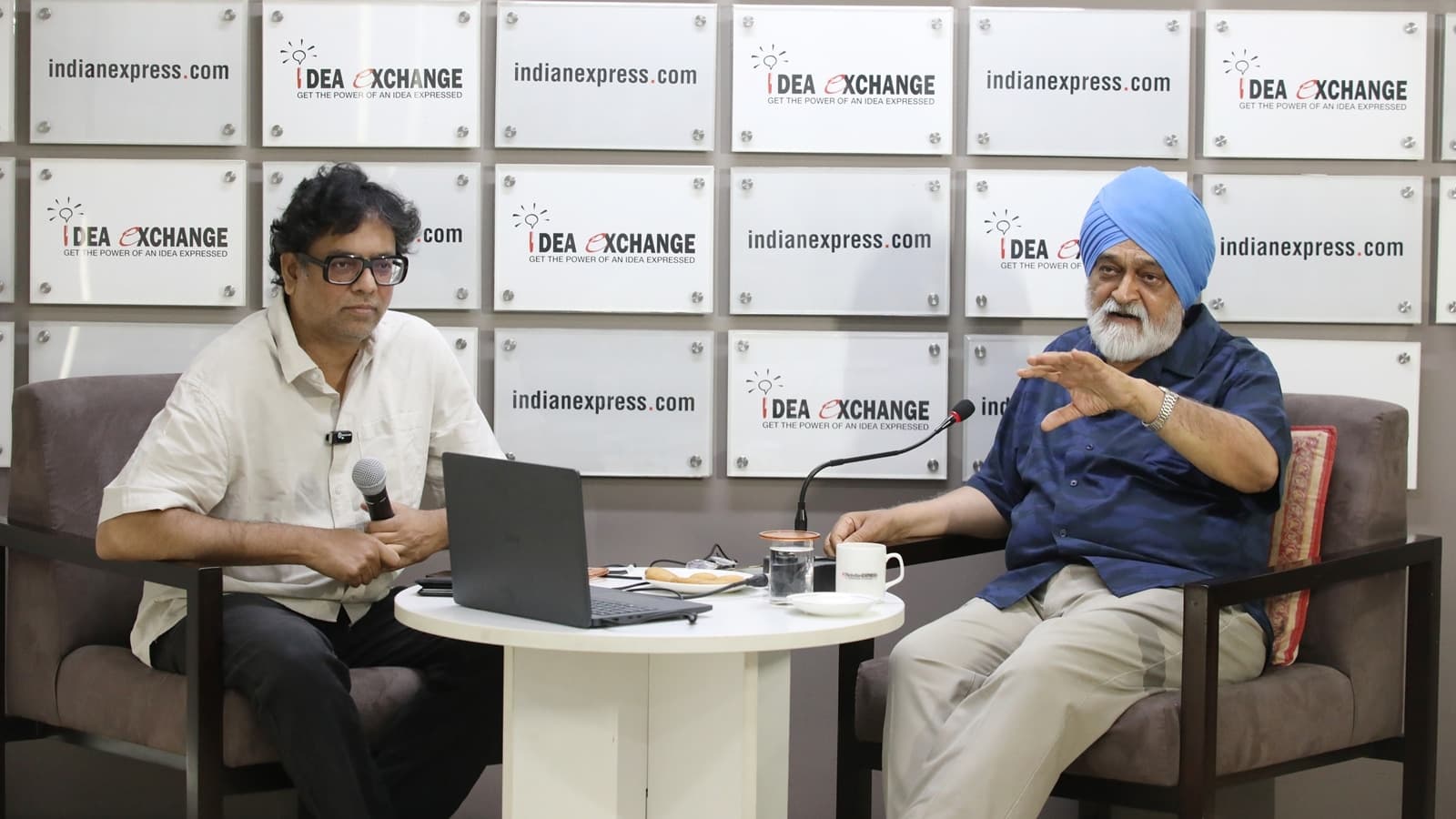
Montek Singh Ahluwalia: Critical Economic Insights Unveiled

Montek Singh Ahluwalia highlights key economic challenges for India, emphasizing the need for a strategic approach to balance payments and investment.

Indian Express

Categories

  • World
  • Technology
  • Business
  • Sports

More

  • Entertainment
  • Science
  • Health
  • Politics

Explore

  • Web Stories
  • About Us
  • Contact

Legal

  • Privacy Policy
  • Terms of Service
  • Disclaimer

© 2026 Glipzo. All rights reserved.