

Image: The Hindu
Israel's Foreign Minister Gideon Saar denies rumors of direct talks with Lebanon, emphasizing military readiness and U.S. alignment amid escalating tensions.
GlipzoOn March 15, 2026, Israel's Foreign Minister Gideon Saar firmly denied rumors suggesting imminent direct negotiations between Israel and Lebanon. This statement came amidst ongoing tensions in the region and amidst conflicting reports about Israel's military capabilities. Both Haaretz and Semafor had reported the possibility of these talks, citing unnamed sources, which prompted a swift response from Saar, who stated, "For the two questions, the answer is no."
The backdrop of these developments includes Israel's ongoing conflict with Iran and rising instability in the region, which complicates any potential diplomatic dialogues. Saar's comments were made during a visit to a Bedouin town in northern Israel, an area recently affected by missile attacks attributed to Iran, further highlighting the urgency of Israel’s military posture.
In addition to denying the talks, Saar addressed claims that Israel had informed the United States of low stockpiles of ballistic missile interceptors. This assertion also appears to lack confirmation, as the Minister emphasized Israel's alignment with U.S. strategies in the ongoing war against Iran.
"We want to remove the existential threats from Iran for the long term. We don’t want to go every year to another war," Saar emphasized, echoing a sentiment of determination between the allies. The conflict, now in its 16th day, has seen various military engagements, and both nations are focused on achieving their strategic goals without compromising their security.
Saar's declarations come at a critical juncture as the region grapples with escalating unrest. The denial of negotiations with Lebanon signals Israel's current strategy, which appears to prioritize military readiness over diplomatic engagement.
The situation is further complicated by ongoing air strikes, with reports indicating that 26 paramedics have been killed since the war's onset, magnifying the humanitarian crisis in the region. Such statistics underline the severity of the conflict and the dire need for resolution, which may be hindered by Israel's current stance against direct talks.
The U.S. has been closely monitoring the situation, particularly with President Trump calling on allies to bolster naval presence in the Strait of Hormuz, an area of significant geopolitical interest. Trump's encouragement comes in light of Iran's threats of retaliation, further complicating the diplomatic landscape.
The U.S.-Israel alliance remains a cornerstone of both nations' strategies in the Middle East, with Saar affirming their mutual objectives. As tensions rise, the need for diplomatic solutions becomes increasingly critical, yet the path forward remains fraught with challenges.
As the situation develops, eyes will remain on both the military and diplomatic fronts. The potential for direct talks between Israel and Lebanon, despite Saar's denials, could resurface, especially if conditions deteriorate further.
Key Points to Watch: - Continued military engagements: With both sides entrenched in their positions, military responses may escalate. - Humanitarian impact: The casualties and humanitarian crisis could pressure both nations to reconsider their stances. - U.S. involvement: The extent of American intervention and support for Israel may influence regional dynamics.
In conclusion, while Saar has dismissed the idea of negotiations with Lebanon for now, the ongoing conflict and the regional power dynamics suggest that dialogue may become necessary in the future. Observers will be keen to see if Israel's military strategy evolves or if diplomatic overtures are made as the situation continues to unfold.
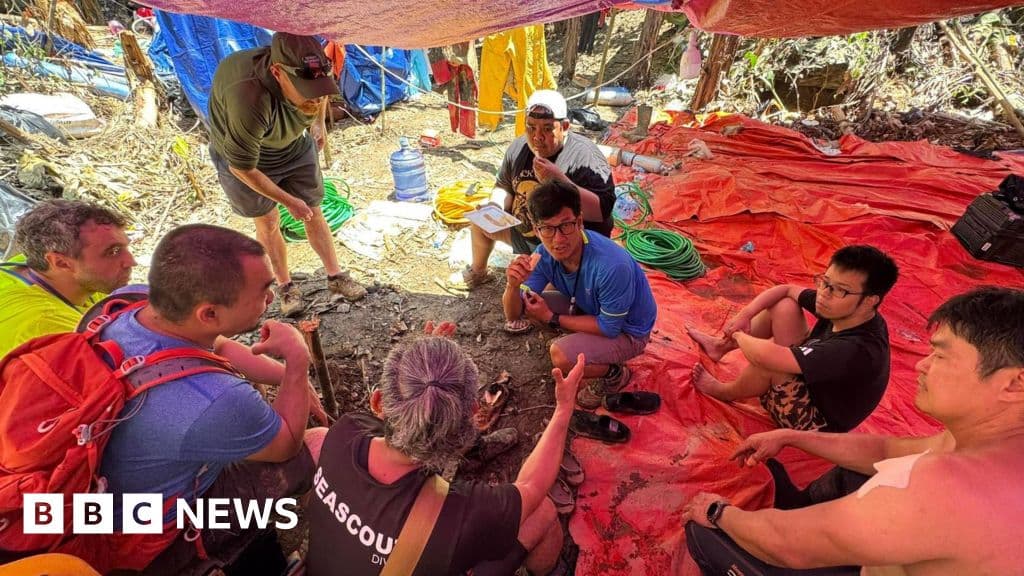
Survivors of the Laos cave rescue are aiding efforts to find the last two missing men trapped inside, sharing crucial insights for the search operation.
BBC World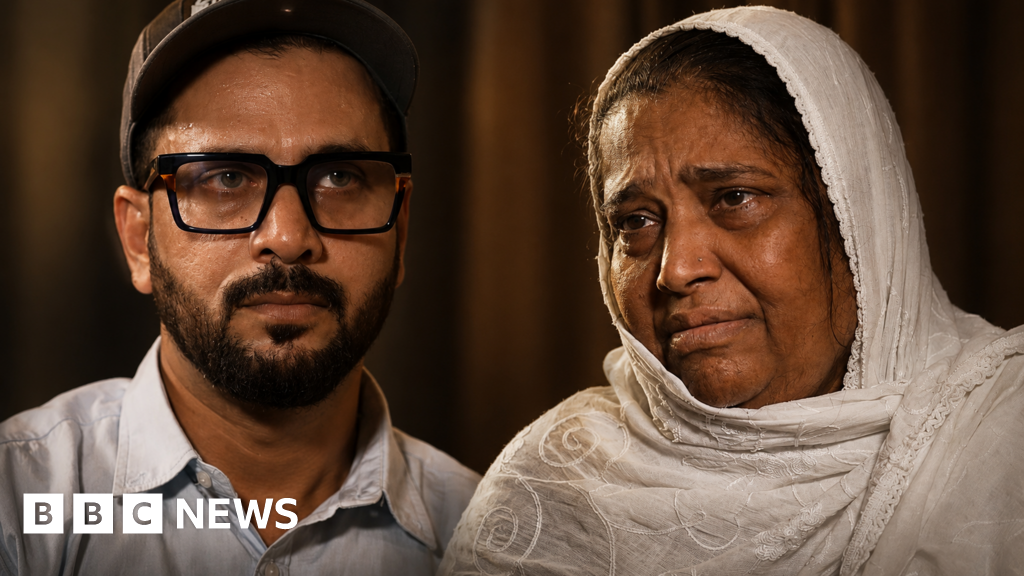
A year after the tragic Air India crash, the Ali family reflects on grief, unanswered questions, and the enduring bonds of love in the face of loss.
BBC Business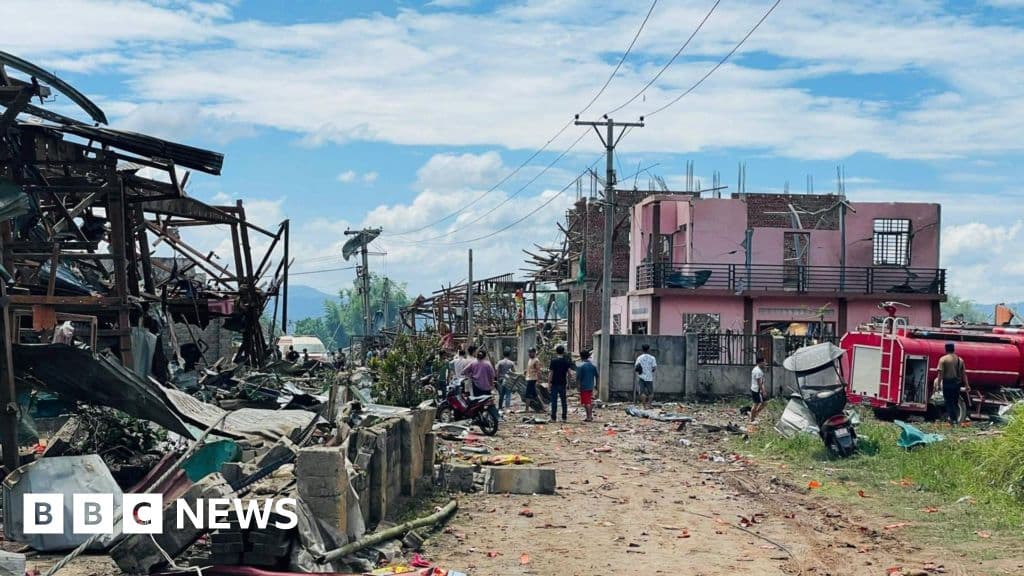
A devastating explosion in Myanmar's Kaung Tat village has killed at least 55 people, raising serious safety concerns and questions about civilian protection in conflict zones.
BBC World