
Image: BBC World
Israel intensifies strikes on Lebanon, targeting areas outside Hezbollah's control, resulting in rising casualties and a humanitarian crisis. What’s next?
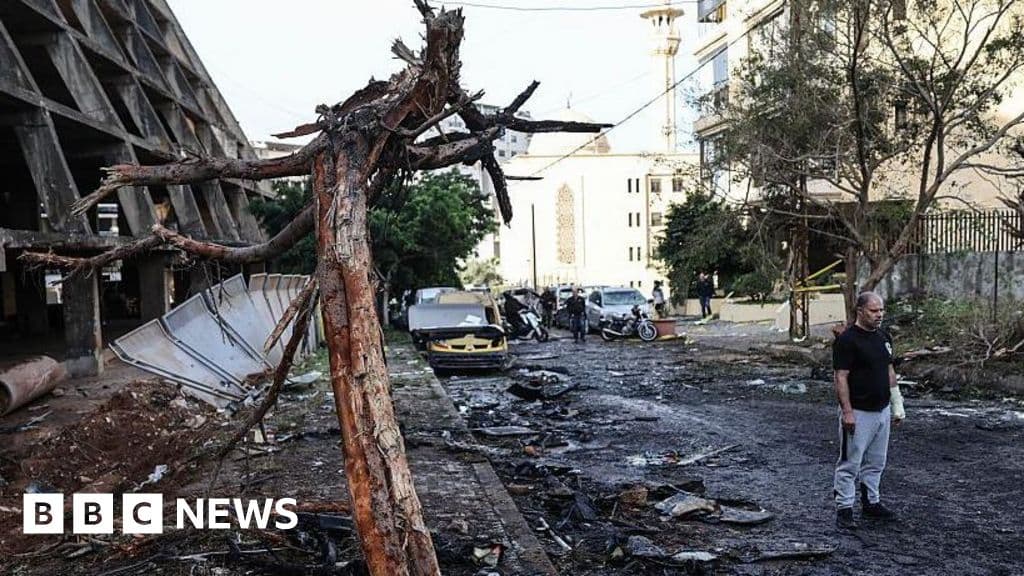
GlipzoThis week, Israel has significantly ramped up its military operations in Lebanon, targeting areas beyond Hezbollah's control. On Tuesday, strikes without prior warning hit a vehicle in Mansourieh, a predominantly Christian neighborhood north of Beirut, and also struck the Jnah neighborhood in the capital's heart.
The latest wave of Israeli bombings has not only focused on regions where Hezbollah holds strong influence, but has also extended to civilian infrastructure. One notable incident involved a building being destroyed on the road to Beirut International Airport, following evacuation orders. Additionally, a health facility in southern Lebanon was hit, resulting in the tragic death of a paramedic, as reported by Lebanon's health ministry.
In its military communications, the Israel Defense Forces (IDF) claimed to have successfully targeted Hezbollah infrastructure in Beirut, leading to the deaths of a senior commander and another influential figure associated with the Iran-backed militia. This escalation comes in the wake of Hezbollah joining the regional conflict on March 2, launching missiles toward Israel shortly after U.S. and Israeli forces conducted operations against Iran on February 28.
As Israeli forces continue their bombardment, the situation on the ground remains dire. Civilian casualties are mounting, with reports indicating that at least seven individuals, including the aforementioned paramedic, were killed in southern Lebanon on Tuesday alone. Since the onset of the hostilities, the total number of health workers killed has tragically reached 53.
The humanitarian impact of these attacks cannot be overstated. The Lebanese Armed Forces reported that they have cleared their last positions in the south, withdrawing from the villages of Ain Ibel and Rmeish after an Israeli strike killed a soldier. However, many residents in these areas remain defiant, choosing to stay despite the imminent danger.
Father Najib Al Amil, a priest from Rmeish, expressed the sentiment of many locals in a recent video, stating, "There is grass and soil. We rely on God and will stay in our village. We either all die together and lose our land or live and our villages will live with us."
Israel's military strategy includes a plan to establish a buffer zone extending to the Litani River, approximately 30 kilometers from the border. This decision has been met with significant criticism from the United Nations, as it could lead to further instability in the region. Israeli Defense Minister Israel Katz articulated that control over this territory would be maintained even after the current conflict subsides.
The humanitarian crisis is escalating, with over one million individuals displaced, according to UN reports. Many have fled from southern Lebanon, but tens of thousands have chosen to remain, despite the severe risks involved. Access to basic necessities is severely compromised, as Israeli forces have targeted bridges and vital infrastructure, rendering many villages uninhabitable.
With reports indicating that 1,268 people have lost their lives in Lebanon since the start of the conflict, the urgency for a resolution is palpable. Katz’s statement that over 600,000 displaced Lebanese will be barred from returning until the safety of northern Israel is assured raises concerns about the long-term implications for both nations.
As the situation continues to unfold, observers are left to ponder the broader implications of Israel's military strategy in southern Lebanon. The destruction of homes in villages near the border echoes tactics seen in other conflict zones, causing alarm among humanitarian organizations and residents alike.
The ongoing military operations and resulting humanitarian crisis in Lebanon are not just local issues; they reflect wider regional tensions involving Iran, Hezbollah, and Israel. The international community's response and potential diplomatic efforts could significantly influence the course of events in the coming weeks. As the conflict intensifies, the potential for further escalation looms large, making it crucial for stakeholders to seek a peaceful resolution.
Looking ahead, the focus will be on how the international community responds to Israel's military actions and their impact on civilians. The potential for diplomatic negotiations might arise, but with tensions running high, the situation remains precarious. Observers should watch for developments within the UN, as well as any shifts in regional alliances that could affect the trajectory of this conflict.
The humanitarian situation is dire, and as Israel continues its operations, the plight of those caught in the crossfire demands urgent attention from the global community. How will Lebanon cope with the aftermath of such devastating assaults, and what measures will be taken to ensure the safety and rights of its citizens?
In this critical period, the world is not only watching but also waiting for a concerted effort to restore peace and stability in a region fraught with conflict and suffering.
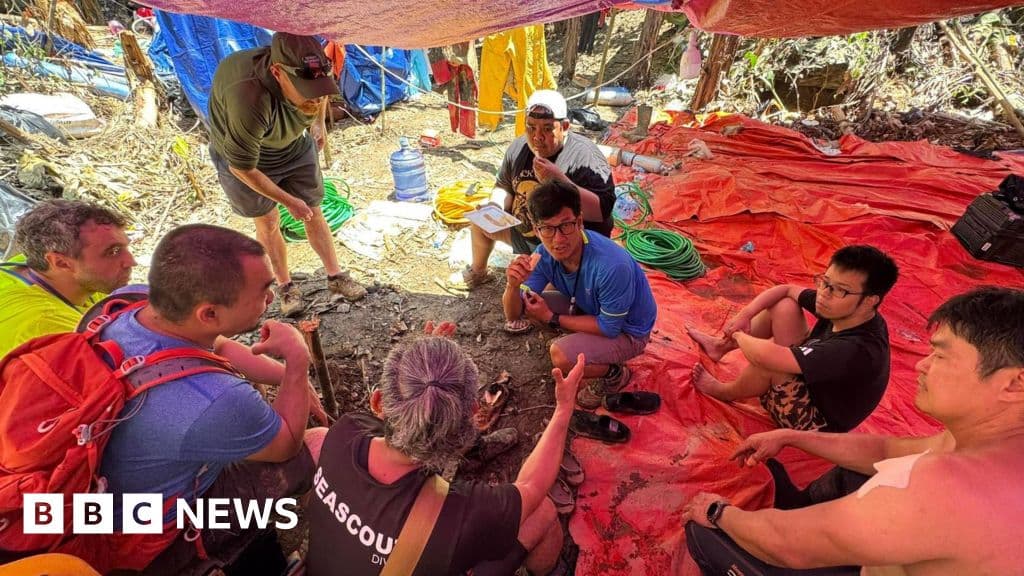
Survivors of the Laos cave rescue are aiding efforts to find the last two missing men trapped inside, sharing crucial insights for the search operation.
BBC World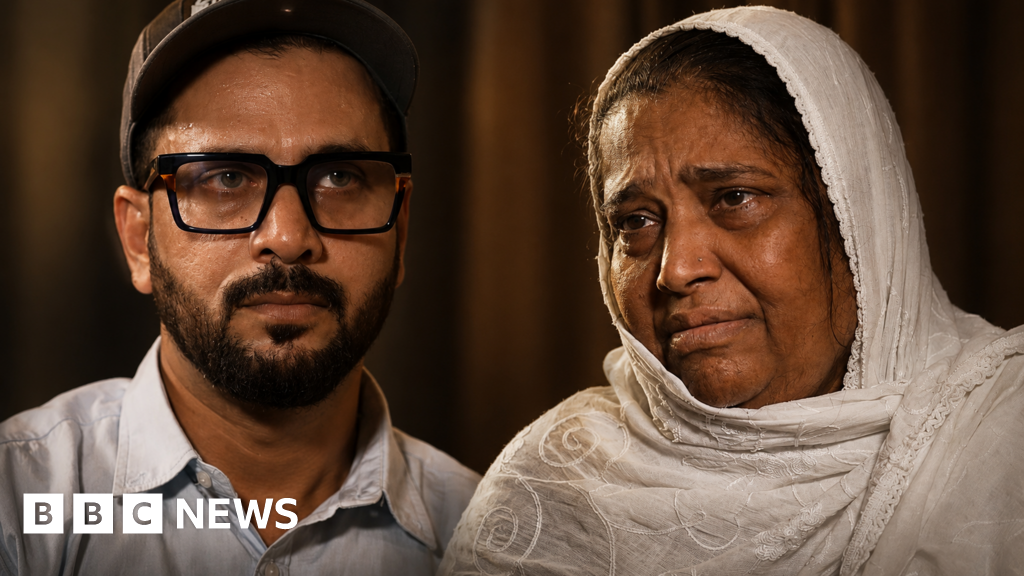
A year after the tragic Air India crash, the Ali family reflects on grief, unanswered questions, and the enduring bonds of love in the face of loss.
BBC Business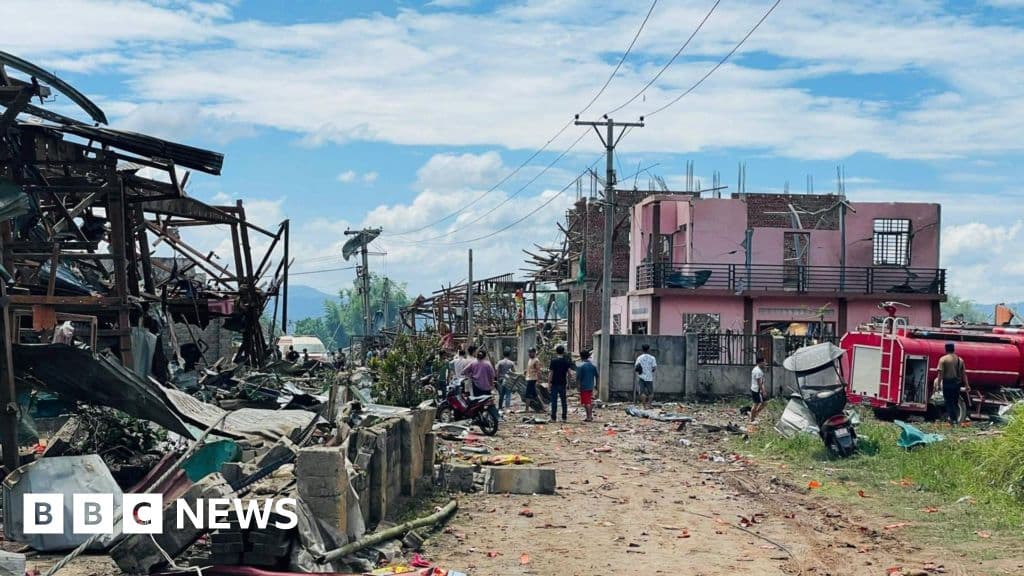
A devastating explosion in Myanmar's Kaung Tat village has killed at least 55 people, raising serious safety concerns and questions about civilian protection in conflict zones.
BBC World