
Image: BBC World
Israel ramps up military strikes against Hezbollah, escalating conflict amid fragile ceasefire. What are the implications for Lebanon and the region?
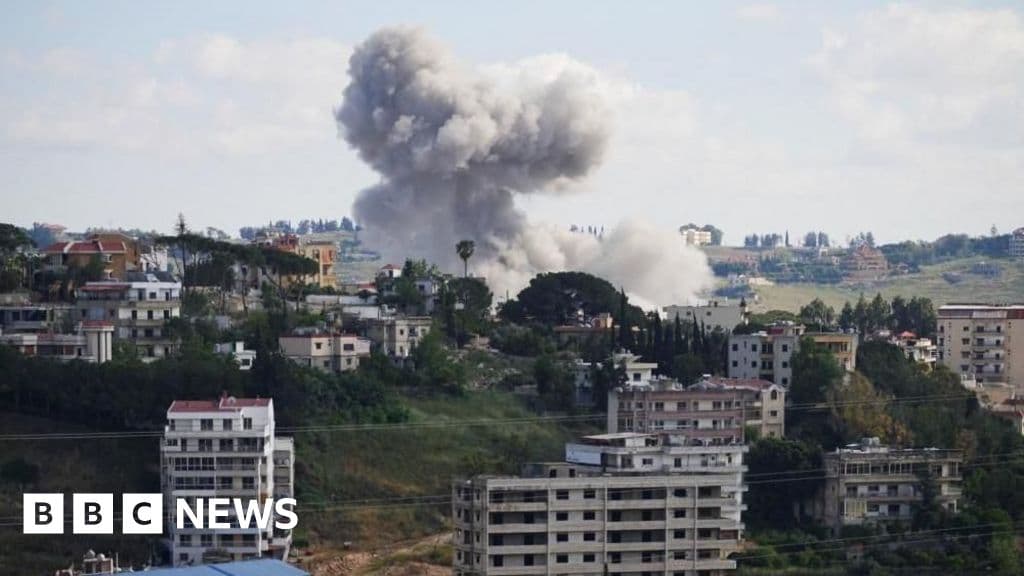
GlipzoIn a significant escalation of military operations, Prime Minister Benjamin Netanyahu has declared that Israel will intensify its attacks against Hezbollah, a militant group operating from Lebanon. This announcement comes amid ongoing hostilities that have already claimed numerous lives and displaced over a million people. The Israel Defense Forces (IDF) confirmed that they have commenced a series of strikes targeting Hezbollah positions throughout Lebanon, particularly in the Bekaa Valley, a region located near the Syrian border, as well as other areas across the country.
The renewed military efforts were articulated by Netanyahu in a video statement released on Monday evening, in which he described the situation as "war with Hezbollah." Netanyahu emphasized the need for increased military action, stating, "I have instructed the military to deal them a crushing blow." This directive marks a pivotal moment in the ongoing conflict, as it signals Israel's readiness to escalate its military response against perceived threats from Hezbollah.
This intensification comes despite a recent agreement, reached earlier this month, to extend a 45-day ceasefire between Lebanon and Israel. Although the ceasefire was intended to stabilize the situation, sporadic fighting has persisted. The IDF’s renewed strikes raise concerns in Beirut about the potential for these attacks to expand into Lebanon's capital, further destabilizing the region.
Netanyahu's statement revealed that Israeli forces have reportedly "eliminated over 600 terrorists" during the ongoing conflict, reinforcing his government's assertion of a strong military response. He added, "What this requires of us now is to increase the strikes, to increase the intensity," highlighting the Israeli government's commitment to a robust military strategy aimed at decimating Hezbollah's capabilities.
Since the ceasefire agreement on April 16, the majority of Israeli military actions were concentrated in the southern regions of Lebanon, where forces remain engaged. However, the recent strikes into the Bekaa Valley indicate a shift in strategy. Reports indicate that the violence has resulted in the deaths of ten Israeli soldiers. In stark contrast, the Lebanese Ministry of Health estimates that over 400 individuals in Lebanon, including many paramedics and emergency service workers, have died due to Israeli bombardments during this period.
The humanitarian situation in Lebanon is dire. The Israeli government has issued near-daily orders for civilians in newly targeted southern regions to evacuate their homes, compounding the crisis for over a million displaced individuals. This alarming increase in violence underscores the urgent need for a viable resolution.
The ongoing conflict cannot be viewed in isolation; it is deeply intertwined with broader geopolitical tensions. The latest surge in violence was ignited by a US and Israeli offensive against Iran, which began on February 28. In response, Hezbollah launched rockets into Israel as retaliation for a deadly Israeli strike that killed Ayatollah Ali Khamenei, Iran's supreme leader. The intertwining of these conflicts illustrates the complex web of alliances and hostilities that characterize the region.
Amid the chaos, the Iranian government has called for a comprehensive peace deal with the United States, advocating for an immediate ceasefire across all fronts of the regional conflict. However, Israel's leadership has staunchly opposed any cessation of hostilities against Hezbollah, indicating a significant rift in diplomatic approaches to resolving the crisis.
As the conflict escalates, the future remains uncertain. The international community is watching closely, with many analysts predicting that without a renewed commitment to dialogue, the violence could intensify further, leading to more profound humanitarian consequences. The fragile ceasefire negotiations remain a pivotal element in determining the trajectory of the conflict, and Lebanon's government continues to pursue the disarmament of Hezbollah amid calls for a return to peace.
Moving forward, the focus will likely shift to: - Diplomatic Efforts: How international players, including the United States and Iran, respond to the escalation could shape future negotiations. - Humanitarian Aid: The urgent need for assistance in Lebanon may spur international organizations to intervene more forcefully. - Regional Stability: The potential for the conflict to draw in additional parties and escalate into a broader regional war remains a pressing concern.
In conclusion, the situation demands close observation and swift action from both local leaders and international stakeholders. The dynamics of this conflict could reshape the geopolitical landscape in the Middle East for years to come.
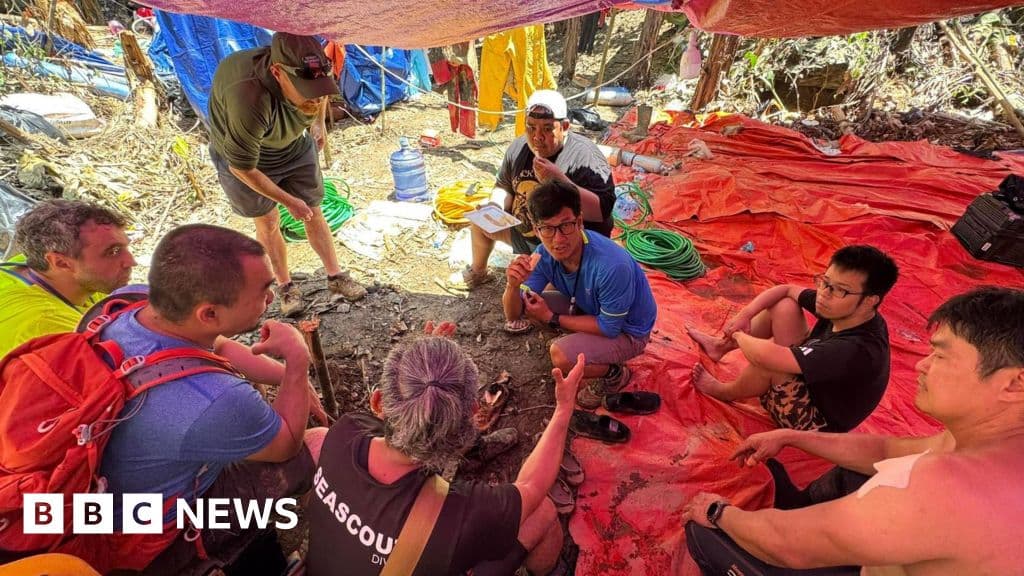
Survivors of the Laos cave rescue are aiding efforts to find the last two missing men trapped inside, sharing crucial insights for the search operation.
BBC World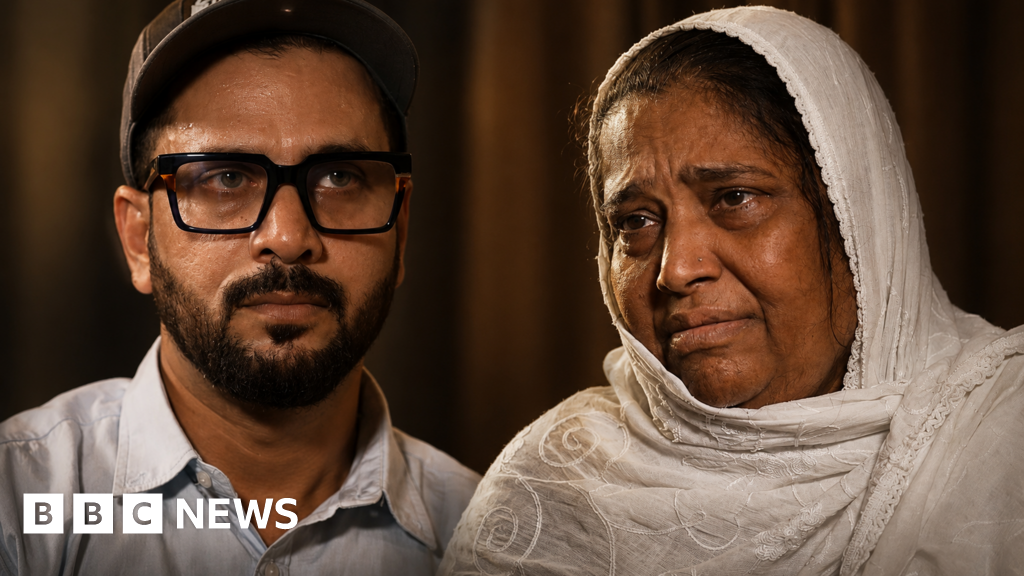
A year after the tragic Air India crash, the Ali family reflects on grief, unanswered questions, and the enduring bonds of love in the face of loss.
BBC Business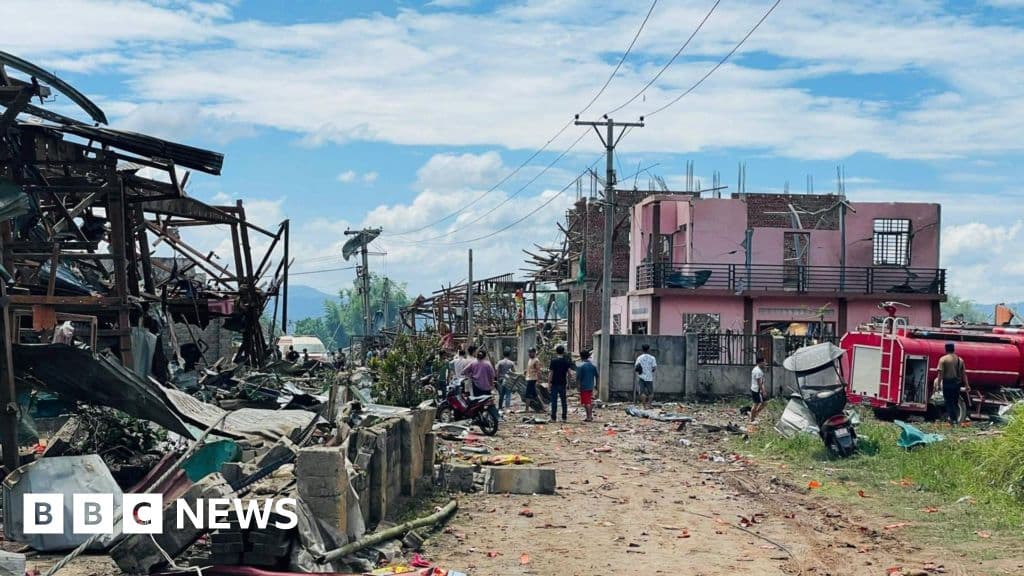
A devastating explosion in Myanmar's Kaung Tat village has killed at least 55 people, raising serious safety concerns and questions about civilian protection in conflict zones.
BBC World