

Image: Times of India
Iran's missile capabilities have expanded dramatically, threatening regional and global stability. Learn who is at risk and what this means for future security.
GlipzoIn recent years, Iran has significantly advanced its missile technology, raising alarms in the international community. As of October 2023, intelligence reports indicate that Iran's missile range has expanded considerably, threatening not just regional adversaries but also nations further afield. This development has significant implications for global security, particularly concerning U.S. allies in the Middle East and beyond.
The Iranian government has consistently prioritized missile development as a critical component of its military strategy. The Islamic Revolutionary Guard Corps (IRGC) has been at the forefront of this initiative, aiming to bolster Iran's deterrent capabilities amid escalating tensions with the United States and its allies. Recent assessments reveal that Iran's missile arsenal could now reach targets in parts of Europe, Africa, and Asia, shifting the geopolitical landscape dramatically.
Several factors contribute to Iran's growing missile capabilities:
As a result, Iran has developed various missile systems, including short-range ballistic missiles (SRBMs) and medium-range ballistic missiles (MRBMs), with the potential to deliver both conventional and nuclear payloads.
Recent analyses suggest that Iran's missile range now encompasses several key regions, potentially impacting numerous countries. Notable nations within striking distance include:
The implications of this expanded reach are profound, as it alters the strategic calculations of both regional actors and global powers involved in Middle Eastern affairs.
The expansion of Iran's missile capabilities poses a critical challenge to global security. The potential for miscalculation or escalation in the region is higher than ever, especially given the geopolitical tensions surrounding Iran's nuclear ambitions. As Iran continues to develop its missile technology, it could embolden its regional proxies, including Hezbollah and various militia groups in Iraq and Syria, further destabilizing the region.
Moreover, the international community faces the dilemma of how to respond effectively. Sanctions and diplomatic negotiations have had limited success in curbing Iran's missile program, leading to calls for a reassessment of strategies. The U.S. and its allies may need to consider enhanced defensive systems, such as THAAD and Patriot missile batteries, to protect against potential threats.
As we move into 2024, the focus will be on how global powers respond to Iran's expanding missile capabilities. Here are some key developments to monitor:
As the situation evolves, the interplay between Iran's missile developments and global geopolitical dynamics will remain a focal point for analysts and policymakers alike. Keeping an eye on these trends will be essential for understanding the future of security in the region and beyond.
In summary, Iran's expanding missile range is not just a regional concern but a global one. As the country continues to develop its capabilities, the potential threats to both neighboring and distant countries grow increasingly complex. The international community must navigate these challenges carefully to prevent a potential escalation that could have catastrophic consequences not only for the Middle East but for the entire world.
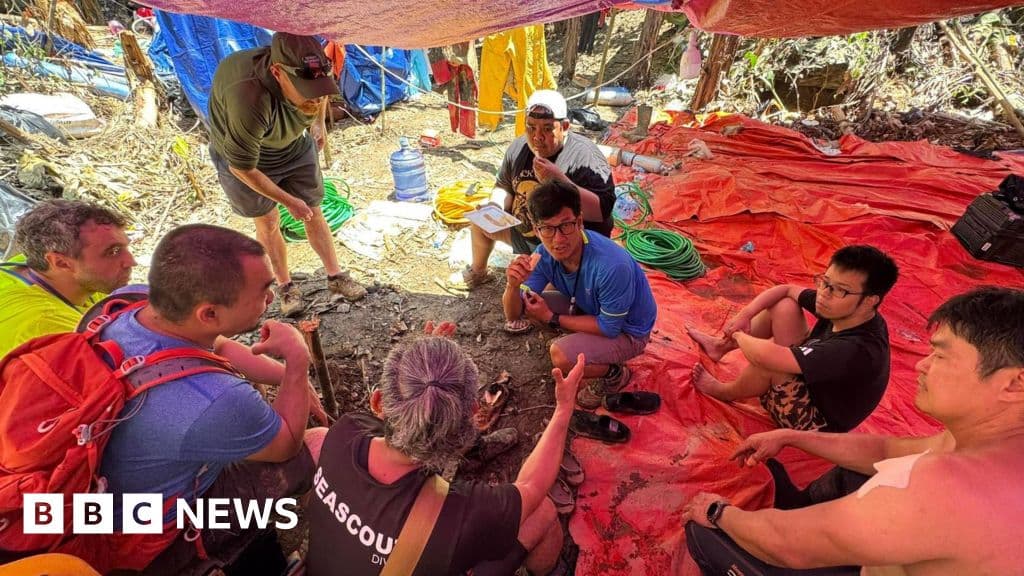
Survivors of the Laos cave rescue are aiding efforts to find the last two missing men trapped inside, sharing crucial insights for the search operation.
BBC World
A year after the tragic Air India crash, the Ali family reflects on grief, unanswered questions, and the enduring bonds of love in the face of loss.
BBC Business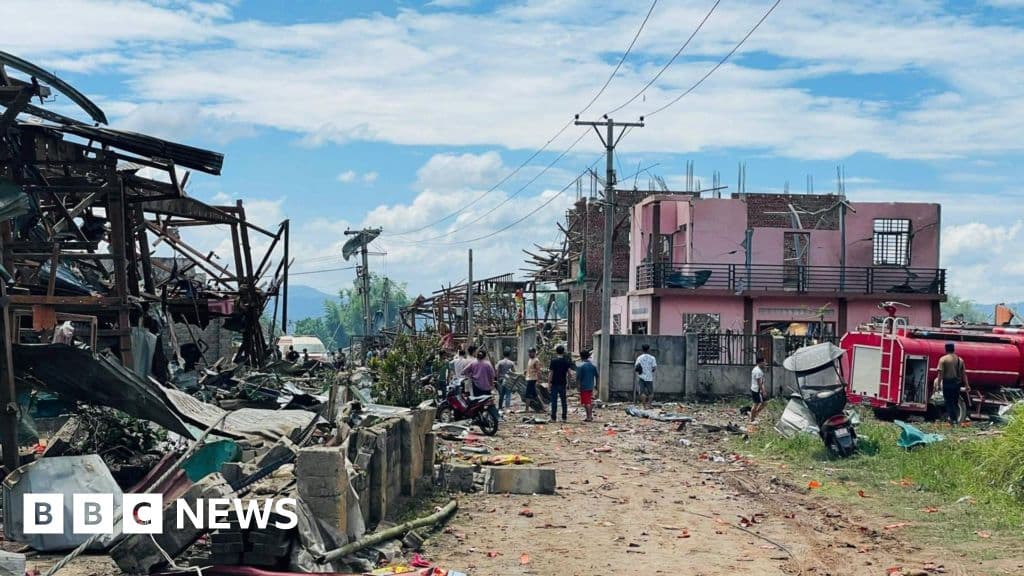
A devastating explosion in Myanmar's Kaung Tat village has killed at least 55 people, raising serious safety concerns and questions about civilian protection in conflict zones.
BBC World