

Image: Mint (Business)
Iran shows a defiant willingness to prolong conflict despite significant leadership losses, aiming to reshape Middle Eastern geopolitics.
GlipzoThe latest reports, particularly from CNN, suggest that Iran is willing to continue its military engagements as a strategic maneuver to influence the region in its favor. The country has endured relentless attacks from both the US and Israel, which have systematically targeted and decimated its military command structures. The loss of such high-ranking officials has raised questions about the stability of Iran's regime, yet its surviving leaders project an image of resilience, asserting their capability to endure and escalate the conflict further.
The Iranian regime is now advocating for a new regional equilibrium and demanding significant concessions, including war reparations and a reconfiguration of alliances between Arab states and the US. Mohammad Bagher Ghalibaf, the parliamentary speaker, articulated this sentiment by stating that a ceasefire would only be acceptable if it ensured that hostilities would not recommence. He insisted that Iran would not halt its operations until the adversarial forces genuinely regretted their aggression.
Ghalibaf has made it clear that the status of the Strait of Hormuz will not revert to what it was before the conflict, signaling Iran's intent to leverage its geographical significance to extract concessions from other nations.
As Sina Toossi, a senior non-resident fellow at the Centre for International Policy, points out, Iran is striving for a future where it is not isolated but integrated into a new regional balance. The country aims to ensure its stability is interconnected with the broader stability of the Persian Gulf and the global economy, which indicates a shift in its long-term strategy.
In summary, the situation in the Middle East remains fluid, with Iran's persistent defiance and shifting demands setting the stage for a potentially prolonged conflict. As the world watches closely, the actions of both Iran and the US will likely determine the future stability of the region and the global economy. Key developments to watch for include: - Potential changes in US military strategy toward Iran. - Responses from Iran's neighboring Arab states. - The impact of Iran's maritime demands on global oil markets. - Any shifts in international diplomatic efforts to resolve the conflict.
As this situation evolves, it will be crucial to stay informed about both the military and diplomatic maneuvers that could alter the landscape of the Middle East significantly.
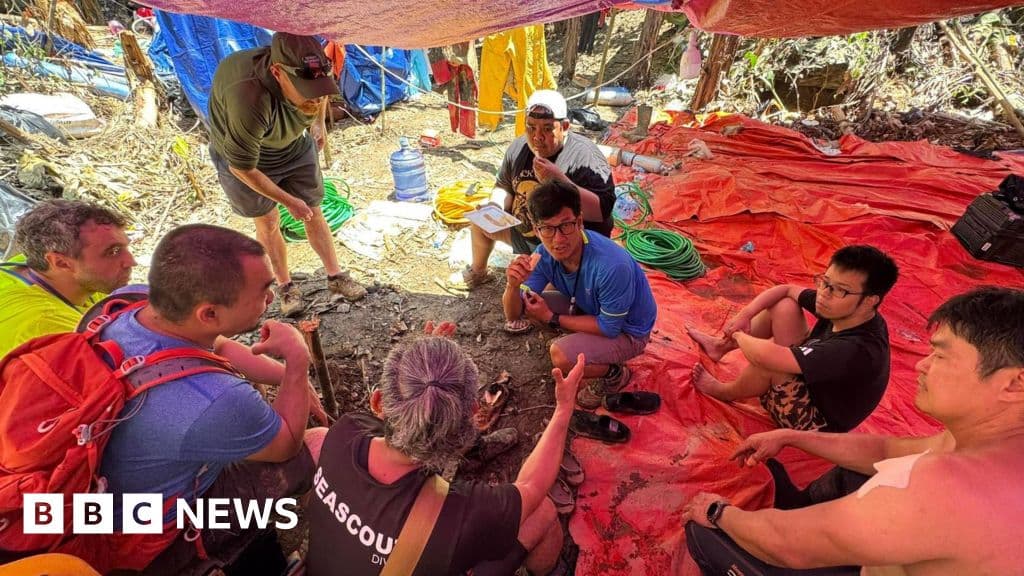
Survivors of the Laos cave rescue are aiding efforts to find the last two missing men trapped inside, sharing crucial insights for the search operation.
BBC World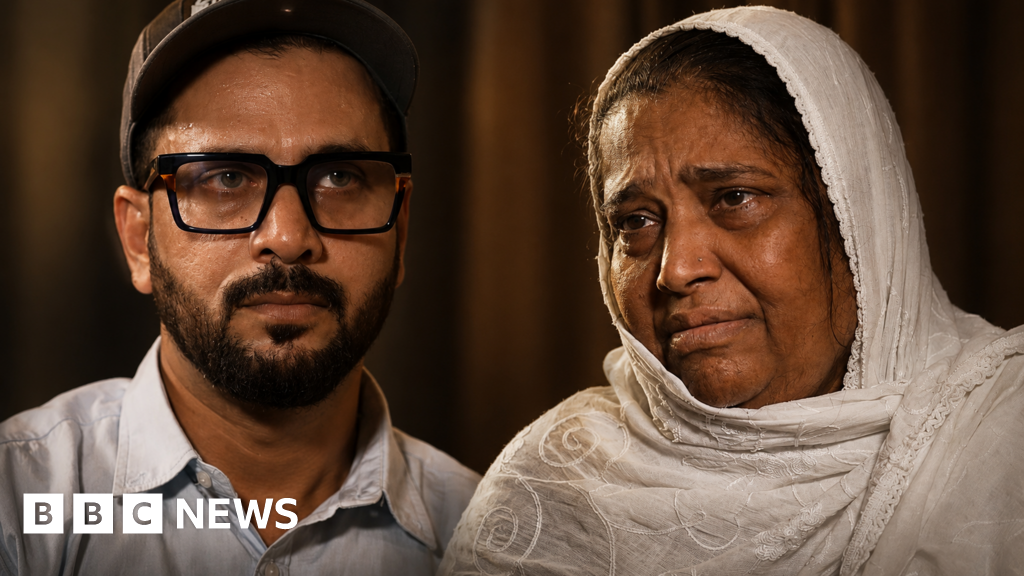
A year after the tragic Air India crash, the Ali family reflects on grief, unanswered questions, and the enduring bonds of love in the face of loss.
BBC Business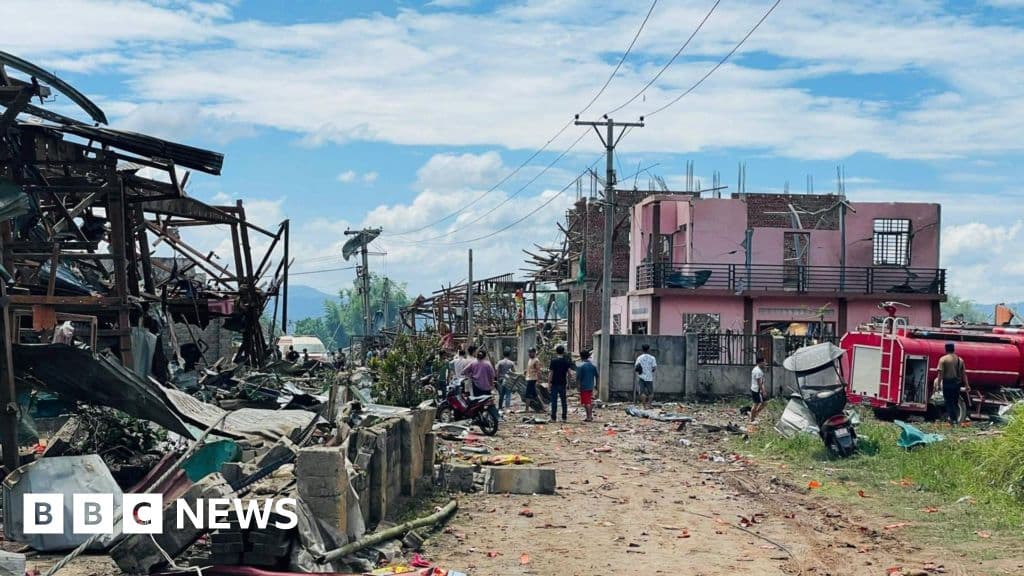
A devastating explosion in Myanmar's Kaung Tat village has killed at least 55 people, raising serious safety concerns and questions about civilian protection in conflict zones.
BBC World