
Image: BBC World
Iran targets key UAE oil port and Dubai airport, raising tensions and impacting air travel. How will the UAE respond to these aggressive actions?
GlipzoIn a concerning escalation of tensions, Iran has launched drone attacks on key infrastructure in the United Arab Emirates (UAE), targeting the vital oil port of Fujairah and Dubai International Airport. This series of assaults, occurring on Monday, has raised alarms about the safety of oil transport and air travel in the region.
On Monday, flights at Dubai International Airport, the world's busiest airport for international passengers, faced disruption due to a fire sparked by a drone-related incident nearby. This attack marks the third drone strike in the vicinity of the airport since the onset of the conflict involving Iran and its adversaries, particularly the U.S. and Israel.
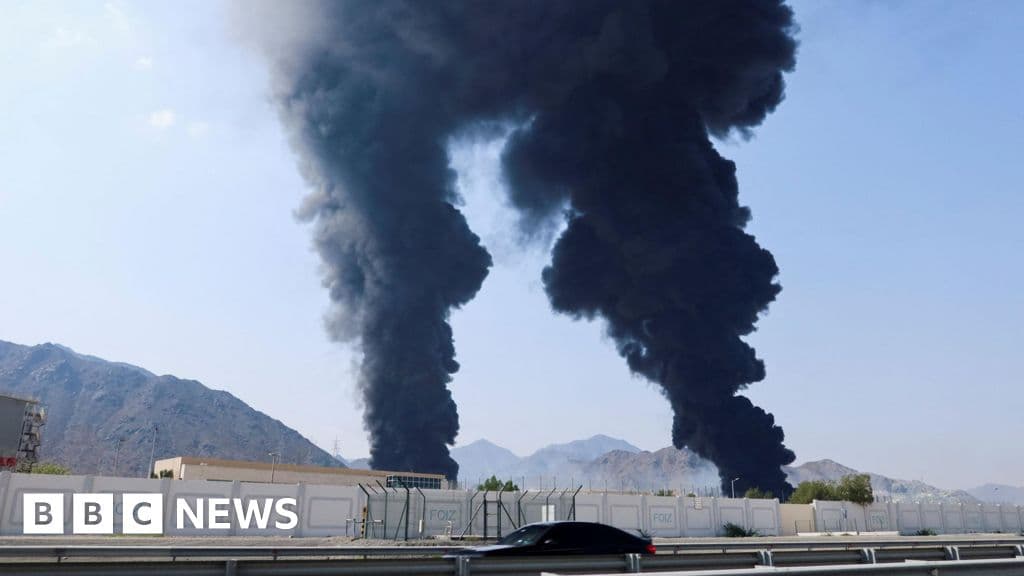
The Fujairah port, an essential oil storage facility located on the UAE's eastern coast, also experienced a drone attack, which resulted in significant fires and the temporary suspension of oil loading activities. This strategic port is crucial for maintaining global oil supplies, especially when the Strait of Hormuz is threatened or blocked.
The UAE Defense Ministry has reported successfully intercepting six ballistic missiles and 21 drones on the same day, highlighting the ongoing threat posed by Iranian military operations. Since the conflict began, Iran has reportedly launched over 1,900 missiles and drones targeting the UAE.
Fujairah's location on the Gulf of Oman allows it to sidestep the contentious Strait of Hormuz, making it a vital alternative route for oil exports from the UAE. Justin Harper, editor of CEO Middle East, emphasized that this positioning is critical for ensuring the smooth flow of oil supplies, especially in times of heightened regional tensions.
According to oil analyst Matt Stanley, the attacks on Fujairah demonstrate the vulnerability of Gulf infrastructure and underline Iran's strategy to disrupt energy flows from the region. Adnoc, the UAE's state oil company, utilizes the port for its oil tankers, which carry crude oil favored by Asian buyers.
The drone attacks have not only threatened physical infrastructure but also posed a risk to the UAE’s image as a stable and secure business hub. Following Monday's events, some flights were delayed or canceled, affecting travelers and potentially damaging the tourism industry. Despite these challenges, the business community in Dubai appears resilient.
Lana Nusseibeh, the UAE's Minister of State, expressed confidence in the nation’s ability to recover from the ongoing conflict. In a recent BBC interview, she stated that the UAE's economy is robust and capable of bouncing back from adversity.
In response to the recent attacks, local businesses are attempting to maintain normalcy and resilience. Restaurants in Dubai have been offering promotions to attract patrons back, and shopping malls continue to draw crowds, signaling a community determined to withstand external pressures. Harper noted that people often underestimate Dubai's capacity to endure downturns, suggesting a strong underlying confidence among residents and business owners.
As tensions remain high in the Gulf region, the UAE will likely continue to bolster its defense systems and enhance security measures at critical infrastructure points. The ongoing conflict underscores the need for vigilance and preparedness against potential future attacks from Iran.
Going forward, analysts will be closely monitoring: - Future military escalations from Iran and their implications for regional stability. - The response of the international community, particularly the U.S., to safeguard its allies in the region. - Economic trends in the UAE as it navigates the impact of these attacks on tourism and trade.
As the situation evolves, the resilience of the UAE’s economy and infrastructure will be put to the test in the coming months, making it essential for stakeholders to stay informed and prepared for any developments.
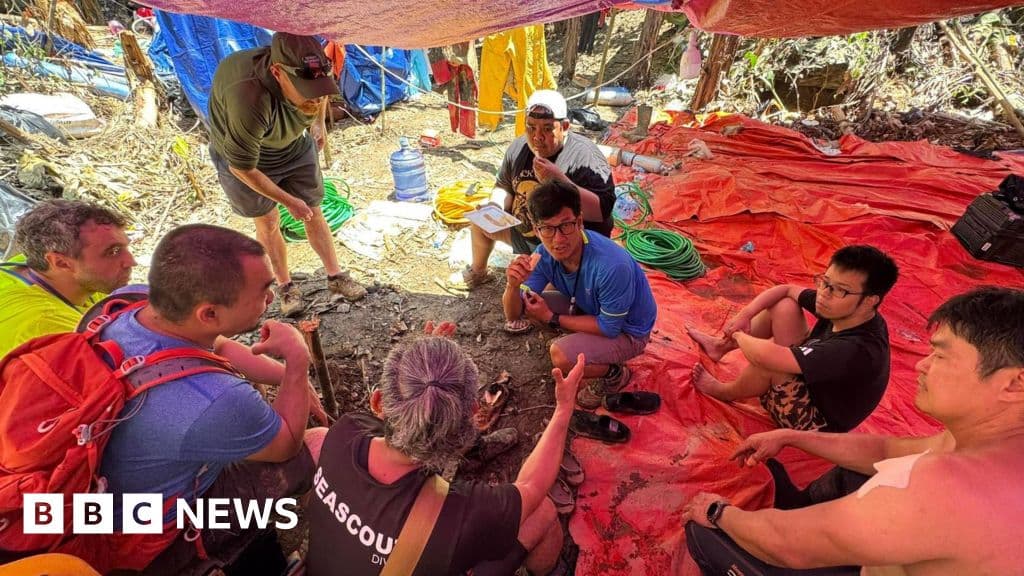
Survivors of the Laos cave rescue are aiding efforts to find the last two missing men trapped inside, sharing crucial insights for the search operation.
BBC World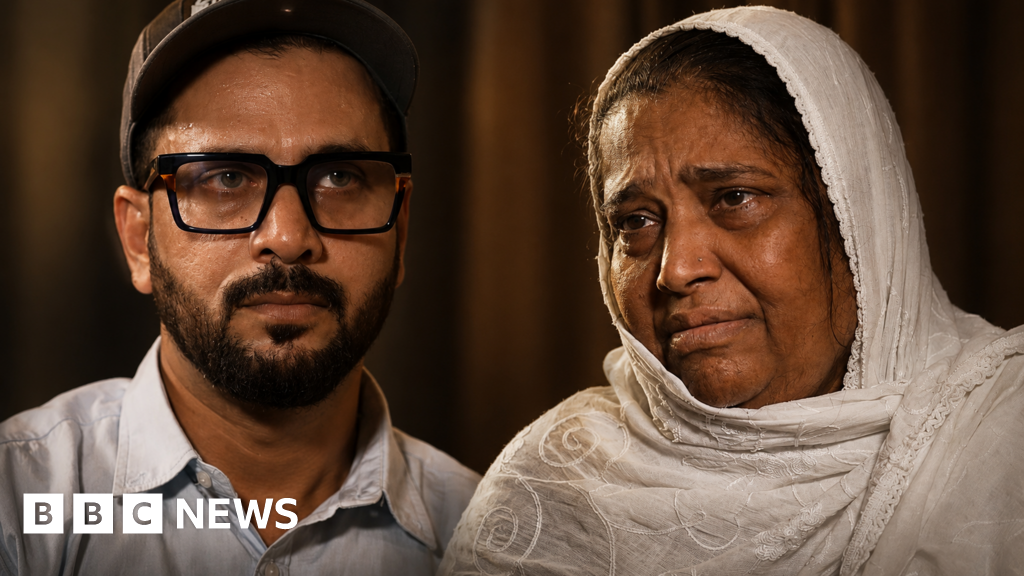
A year after the tragic Air India crash, the Ali family reflects on grief, unanswered questions, and the enduring bonds of love in the face of loss.
BBC Business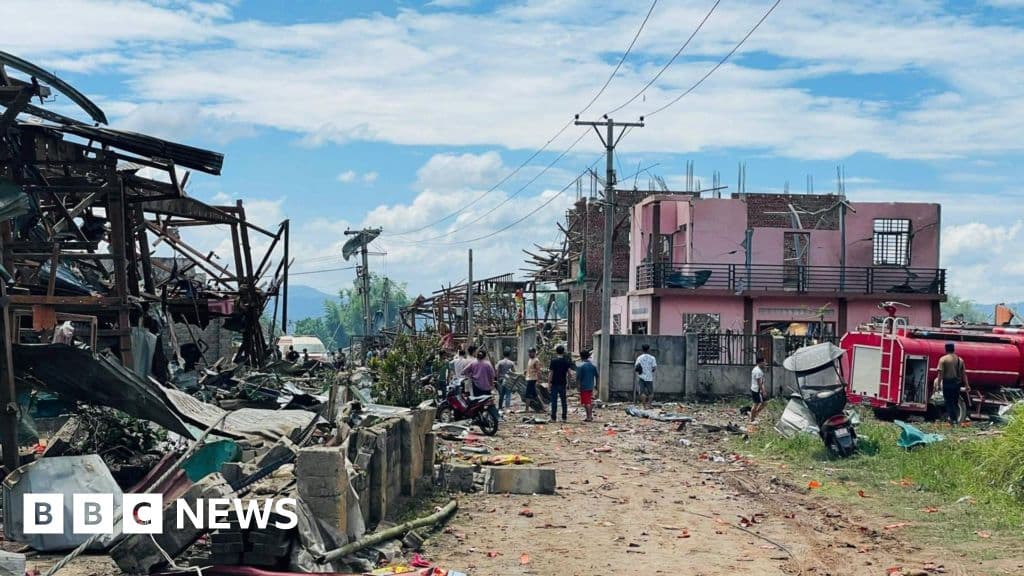
A devastating explosion in Myanmar's Kaung Tat village has killed at least 55 people, raising serious safety concerns and questions about civilian protection in conflict zones.
BBC World