
Image: BBC World
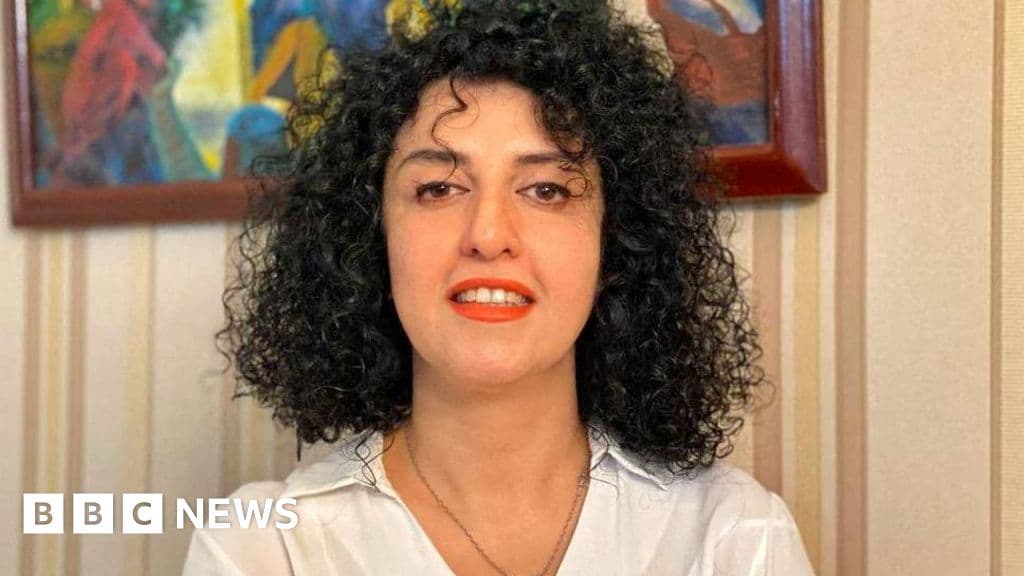
Narges Mohammadi, Iranian Nobel laureate, granted bail to receive medical care amid serious health concerns. What does this mean for her future?
GlipzoIn a significant development, Narges Mohammadi, the renowned Iranian human rights advocate and 2023 Nobel Peace Prize laureate, has been moved from prison to a hospital in Tehran due to alarming health issues. The decision to grant her bail followed mounting concerns over her deteriorating condition, with her family and supporters expressing fears that she could die in custody. This critical situation underscores the ongoing struggles faced by human rights activists in Iran.
Mohammadi, 54, has been a prominent voice against the oppression of women and has tirelessly campaigned for human rights in Iran. Her advocacy efforts have not only brought her international acclaim but have also led to severe repercussions from the Iranian authorities. Following her transfer, her family announced that she was placed under the care of her own medical team at Tehran Pars Hospital. The Narges Mohammadi Foundation confirmed the transfer, emphasizing the need for her immediate medical attention.
The background of Mohammadi's situation is stark. She began serving a 13-year prison sentence in 2021 after being convicted on charges including propaganda against the state and collusion against state security—charges she vehemently denies. The Iranian government has long been criticized for its treatment of dissidents and activists, and Mohammadi's case exemplifies the risks faced by those who dare to speak out.
In December 2024, she was released temporarily from the infamous Evin Prison on medical grounds, but her troubles did not end there. Following her arrest last December for allegedly making provocative remarks during a memorial service, she was reported to have suffered severe mistreatment. Her husband, who resides in Paris, has publicly stated that her health remains precarious, revealing that she has lost approximately 20 kg (around three stone) in weight and struggles with basic communication.
The situation escalated recently when Mohammadi's brother, Hamidreza, revealed that she had been found unconscious in Zanjan prison after suffering a suspected heart attack. This incident shocked many and highlighted the urgent need for her release and proper medical care. The foundation advocating for her rights has been vocal in its demands, stating that a simple suspension of her sentence is insufficient. They assert that Mohammadi requires permanent, specialized medical care and should not be subjected to further imprisonment.
In response to her deteriorating health, the foundation released a statement urging the international community to rally for her unconditional freedom. They proclaimed, "No human and women's rights activists should ever be imprisoned for their peaceful work," emphasizing the critical need for change in how authorities treat activists in Iran.
The international community has responded with growing concern regarding Mohammadi's situation. Human rights organizations and foreign governments have called for her immediate release and have condemned Iran's treatment of political prisoners. The United Nations and various human rights watchdogs have urged Tehran to respect human rights and to ensure that activists like Mohammadi are not persecuted for their beliefs and actions.
The advocacy for Mohammadi is not just about one individual; it represents a larger fight for women's rights and human rights in Iran. As the global spotlight continues to shine on her case, her supporters hope that it will catalyze broader discussions about the conditions faced by many in Iran who dare to challenge the status quo.
Looking ahead, the future remains uncertain for Narges Mohammadi. While her transfer to a hospital marks a pivotal moment in her fight for survival, much work remains to be done to secure her freedom completely. Activists and organizations worldwide are encouraged to continue advocating for her release and to push for systemic changes in Iran's treatment of political dissidents.
As her health continues to be monitored, it is essential for the global community to remain vigilant and active in the fight for her rights. The call for unconditional freedom for Mohammadi is a rallying cry not just for her, but for all who stand against oppression and injustice. This situation is a stark reminder that the struggle for human rights is ongoing and that every voice matters.
In the coming weeks, developments in Mohammadi's health and legal status will be crucial to watch. Her situation is a poignant reflection of the broader human rights landscape in Iran, and her release could serve as a significant turning point for activists in the region.
The plight of Narges Mohammadi is emblematic of the challenges faced by many activists in Iran. As she receives medical care, the world’s attention remains focused on her case, hoping for a positive outcome that will not only secure her freedom but also inspire change for future generations of human rights advocates in Iran. The fight for justice and human rights continues, and Mohammadi's story serves as a beacon of hope and resilience in the face of adversity.
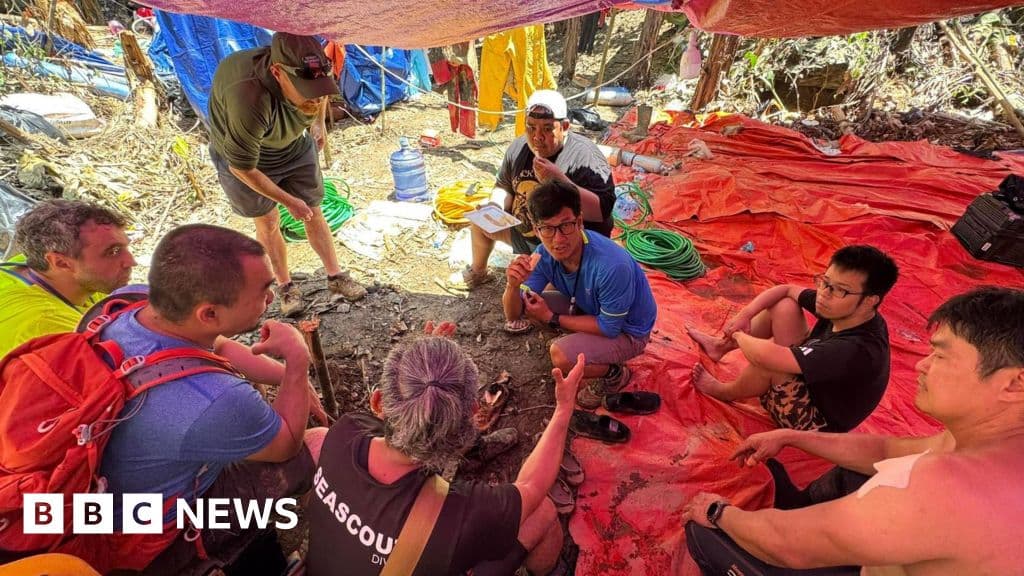
Survivors of the Laos cave rescue are aiding efforts to find the last two missing men trapped inside, sharing crucial insights for the search operation.
BBC World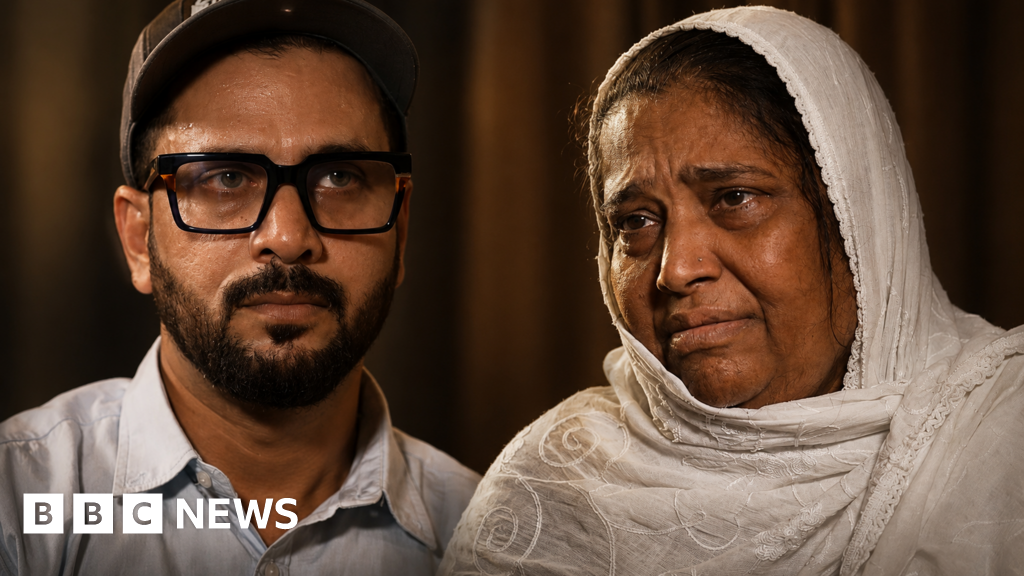
A year after the tragic Air India crash, the Ali family reflects on grief, unanswered questions, and the enduring bonds of love in the face of loss.
BBC Business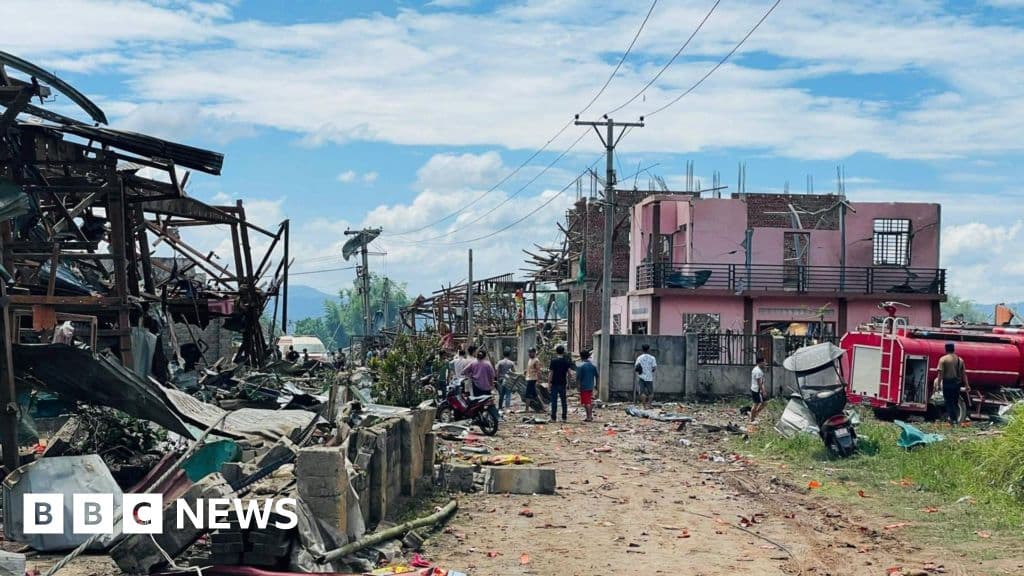
A devastating explosion in Myanmar's Kaung Tat village has killed at least 55 people, raising serious safety concerns and questions about civilian protection in conflict zones.
BBC World