

Image: Mint (Business)
Iranian drone strikes near Dubai Airport injure four individuals, raising tensions in the Middle East amidst ongoing conflict and airline cancellations.
GlipzoDubai International Airport became the center of a tense situation on March 27, 2023, when two Iranian drones fell near the facility, resulting in four individuals sustaining injuries. This incident marks a significant escalation in regional hostilities amid the ongoing conflict in the Middle East, where Iran has recently intensified its military actions.
As global concerns about fuel supply and security rise, the Iranian strikes on commercial vessels throughout the Persian Gulf further complicate an already volatile situation. The UAE's defense systems were activated in response to the escalating threats, prompting officials to advise the public to seek safety as precautionary measures were implemented.
The UAE Ministry of Defense confirmed the interception of drones and missiles, assuring residents that the sounds heard were due to their air defense systems in action. The ministry's statement emphasized the importance of public safety during these critical times.
The Dubai Media Office reported that the drone strikes occurred shortly before noon, with air traffic initially suspended as authorities responded to the situation. Fortunately, operations resumed shortly after, with no significant disruptions to flights.
Among those injured in the drone strikes were: - Two Ghanaian nationals (minor injuries) - One Indian national (moderate injuries) - One Bangladeshi national (minor injuries)
Despite the chaos, the Dubai International Airport confirmed that flights were operating normally following the brief suspension.
In light of the escalating violence, KLM announced the cancellation of all flights to Dubai until March 28, 2023. Additionally, British Airways followed suit, suspending flights to and from several cities, including Amman, Doha, Dubai, and Tel Aviv until later in the month. Flights to Abu Dhabi have been canceled until later this year, highlighting the growing concern over travel safety in the region.
The decision to halt flights comes as airlines reassess their operations in response to the increasing risks associated with the Middle East conflict. Travelers are advised to stay informed about flight statuses as the situation evolves.
The Abu Dhabi National Oil Company (ADNOC) has taken proactive measures due to the current climate. Reports indicate that ADNOC has instructed its onshore oil partners to collect Murban crude from the Jebel Dhanna port, strategically located behind the Strait of Hormuz in the Persian Gulf. This decision underscores the urgency of securing oil supplies amidst rising tensions in the region.
At least two of the equity holders in the state-run company's onshore output were notified about the need to adjust their supply pickups in light of the conflict. This shift highlights the interconnectedness of geopolitical stability and global oil markets, particularly in a region known for its vast energy resources.
The drone strikes near Dubai International Airport serve as a stark reminder of the escalating tensions in the Middle East, with implications that extend beyond regional borders. As nations grapple with security concerns and economic repercussions, the international community is closely monitoring developments. The ongoing conflict not only affects daily life in the UAE but also raises alarms about global energy supplies and travel safety.
In summary, the current situation illustrates the delicate balance of peace and conflict in the Middle East, with the potential for far-reaching consequences if tensions continue to rise.
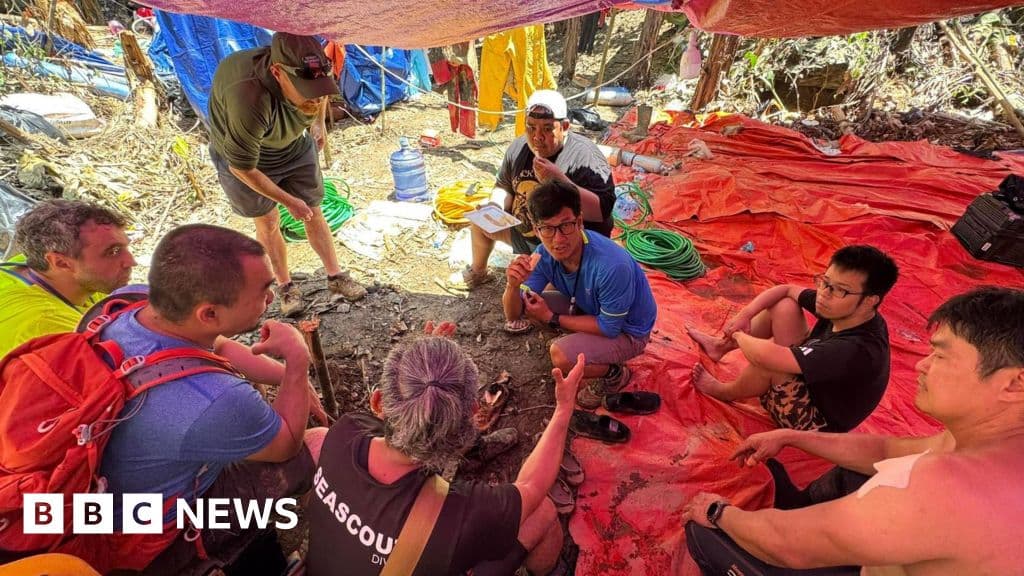
Survivors of the Laos cave rescue are aiding efforts to find the last two missing men trapped inside, sharing crucial insights for the search operation.
BBC World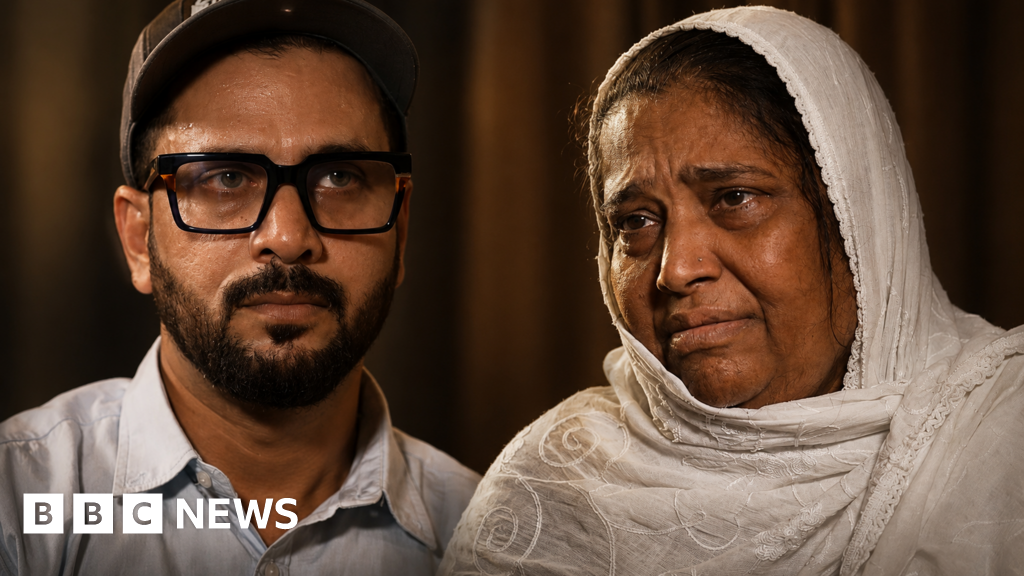
A year after the tragic Air India crash, the Ali family reflects on grief, unanswered questions, and the enduring bonds of love in the face of loss.
BBC Business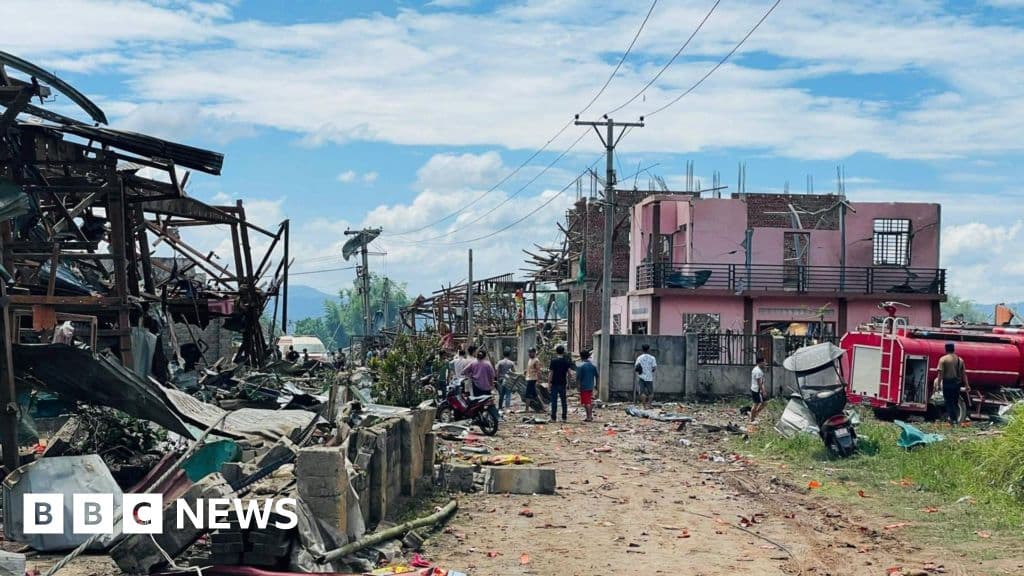
A devastating explosion in Myanmar's Kaung Tat village has killed at least 55 people, raising serious safety concerns and questions about civilian protection in conflict zones.
BBC World