

Image: Times of India
Iran's navy chief vows 'deadly retaliation' after a US submarine sinks the IRIS Dena, killing 87 sailors. Explore the implications of this escalating conflict.
GlipzoIn a dramatic escalation of tensions in the Indian Ocean, Iran's navy chief has threatened 'deadly retaliation' against the United States following the sinking of its warship IRIS Dena by a US submarine. The tragic incident, which claimed the lives of 87 sailors, occurred off the coast of Sri Lanka after a routine naval exercise. This event has raised alarms about potential military conflicts in the region, prompting widespread reactions from Iranian officials and international observers alike.
The sinking of the IRIS Dena marks a significant moment in the ongoing tensions between Iran and the US. The navy chief's threat of retaliation underscores the high stakes involved. This incident happened on October 10, 2023, during a period of heightened military activity in the Indian Ocean, a critical maritime route for global trade. The US submarine reportedly engaged in operations that led to the sinking, stirring outrage among Iranian leaders.
Iran’s security chief, Ali Shamkhani, described the loss of the ship and its crew as a sacrifice in the fight against what he termed 'international oppressors.' His comments reflect a broader sentiment within Iran regarding its military posture and resolve in the face of perceived aggression from Western powers. The IRIS Dena, part of Iran’s naval fleet, was engaged in exercises aimed at enhancing its operational capabilities when the incident occurred.
The sinking of the IRIS Dena has provoked immediate responses from various nations and international bodies. Observers are particularly concerned about the potential for a broader military conflict in the region. The United Nations and several countries have called for restraint from both parties to prevent further escalation.
The Indian Ocean is not just a vast body of water; it is a vital artery for global trade, with significant shipping routes passing through it. The rising tensions between Iran and the United States threaten not only regional peace but also the stability of international shipping and trade. Iran's military capabilities, coupled with its strategic geographic location, position it as a key player in any escalation of conflict in the region.
The incident has also raised questions about the US Navy's engagement rules and the extent to which it will confront Iranian naval forces. Analysts argue that this could set a precedent for future naval encounters, impacting how both nations approach military interactions in contested waters.
As the situation unfolds, several key factors will determine how relations between Iran and the US progress: - Military Build-Up: Iran is likely to increase its naval presence in the Indian Ocean, signaling its readiness to respond to perceived threats. - Diplomatic Efforts: The international community may push for renewed diplomatic talks to de-escalate the situation, especially as both nations face pressure from their respective domestic audiences. - Economic Impacts: An escalation could affect oil prices and shipping routes, as even the threat of conflict can lead to increased uncertainty in global markets.
In conclusion, the sinking of the IRIS Dena is a critical event that could reshape military dynamics in the Indian Ocean. Observers will be closely monitoring actions from both Tehran and Washington, as well as reactions from other global powers with interests in maintaining peace and stability in this pivotal region.
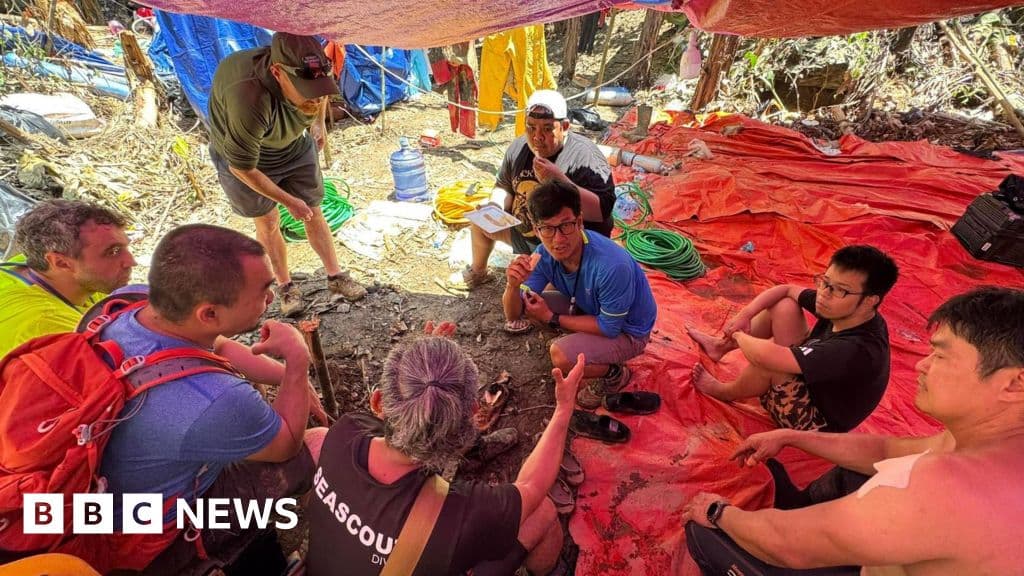
Survivors of the Laos cave rescue are aiding efforts to find the last two missing men trapped inside, sharing crucial insights for the search operation.
BBC World
A year after the tragic Air India crash, the Ali family reflects on grief, unanswered questions, and the enduring bonds of love in the face of loss.
BBC Business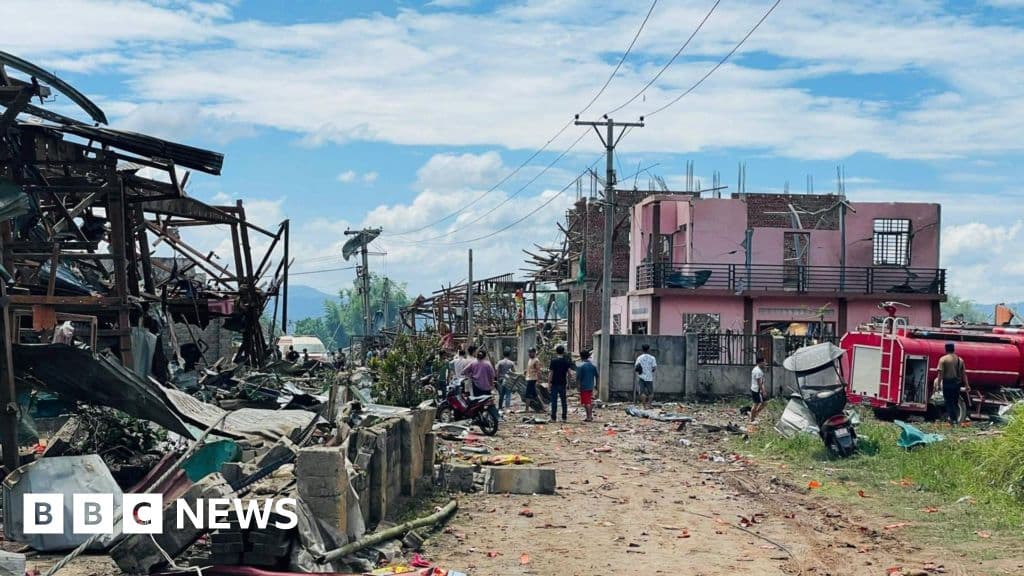
A devastating explosion in Myanmar's Kaung Tat village has killed at least 55 people, raising serious safety concerns and questions about civilian protection in conflict zones.
BBC World