
Image: BBC World
Iran condemns US airstrikes as a severe ceasefire breach. What does this mean for ongoing peace talks? Explore the latest developments.
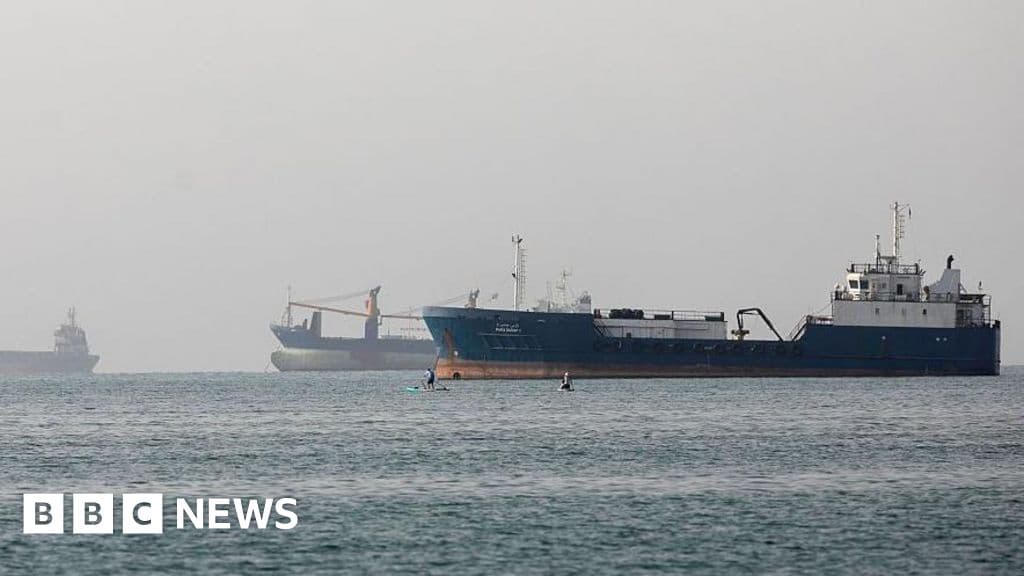
GlipzoTensions are escalating once again between Iran and the United States as Iran has denounced recent US airstrikes as a "gross violation" of the ongoing ceasefire. The strikes, which occurred on a Monday in southern Iran, targeted Iranian missile sites and vessels allegedly preparing to lay mines in the strategic waters of the Strait of Hormuz. The US Central Command (Centcom) characterized these operations as "self-defense strikes" aimed at safeguarding American troops from perceived threats posed by Iranian forces.
The Iranian foreign ministry responded sharply, placing the blame squarely on the US for these "aggressive and unjustified actions". Iran emphasized that the US would be held accountable for the repercussions of its military actions in the Hormozgan region, which is critical due to its proximity to the Strait of Hormuz—a vital maritime route for global energy shipments.
The timing of these airstrikes complicates ongoing efforts to secure a lasting peace deal. Since the war's onset with a series of attacks on February 28, including the assassination of Iran's supreme leader, a ceasefire was brokered on April 8. This ceasefire has largely held, with only minor skirmishes reported since then. However, the recent US actions could jeopardize the fragile truce and stall talks aimed at a permanent resolution to the conflict.
In a statement from Iran, officials articulated a firm resolve, declaring, "Without a doubt, the Islamic Republic of Iran will not leave any evil unanswered and will not hesitate to defend the Iranian nation." This declaration underscores Iran's commitment to retaliate against perceived threats, which adds another layer of complexity to the already volatile situation.
According to Centcom, the airstrikes were conducted with the intent to protect US forces from Iranian threats. However, specific details of the strikes, including their precise location, remain scarce. A source cited by the New York Times suggested that the strikes were aimed near Bandar Abbas, a significant Iranian port city and naval base crucial to the Strait of Hormuz.
Furthermore, Iranian state media reported that explosions were heard in the Bandar Abbas area, prompting local officials to investigate the situation. The Islamic Revolutionary Guard Corps (IRGC) claimed responsibility for downing a US drone and firing upon a fighter jet that allegedly entered Iranian airspace, although they did not specify the timing of these incidents.
Despite the turmoil, peace negotiations are still underway, with US Secretary of State Marco Rubio indicating that a deal is still feasible but may require a few more days to finalize. President Donald Trump had hinted at a potential agreement over the weekend, yet later advised negotiators to avoid rushing the process.
Discussions are reportedly focusing on a memorandum of understanding that could include: - A 60-day extension of the ceasefire - Reopening of the Strait of Hormuz - Initiating further negotiations regarding Iran's nuclear program
While some progress has been noted, Iran's representatives have cautioned that an agreement is not imminent. A significant hurdle in the negotiations is Iran's insistence on the release of frozen assets held abroad, a demand that has been a sticking point in previous discussions.
The peace talks have primarily been facilitated by Pakistan, although recent discussions have involved Qatari mediators as well. Reports indicate that Iran's central bank governor recently participated in talks aimed at addressing the issue of frozen assets, with a focus on Iran's stockpile of highly enriched uranium and the strategic significance of the Strait of Hormuz.
The Strait is a critical maritime passage, through which approximately one-fifth of the world’s oil flows. Since the conflict began, Iran has effectively blocked access to this vital shipping lane, further heightening tensions in the region.
As the situation continues to evolve, the international community is closely monitoring the developments. The potential for renewed conflict remains high if hostilities escalate further. The US, Israel, and several Western nations have accused Iran of pursuing a nuclear weapons program, a claim Iran vehemently denies, asserting that its nuclear activities are solely for peaceful purposes.
Looking ahead, observers will want to keep an eye on: - The outcomes of ongoing peace negotiations - Iran's responses to US military actions - Future developments in the nuclear program discussions
In conclusion, the recent escalation, marked by US airstrikes and Iran's strong retaliatory rhetoric, poses significant risks to the fragile peace established after weeks of intense conflict. The coming days will be crucial in determining whether diplomatic efforts can prevail or if the region will spiral back into widespread hostilities.
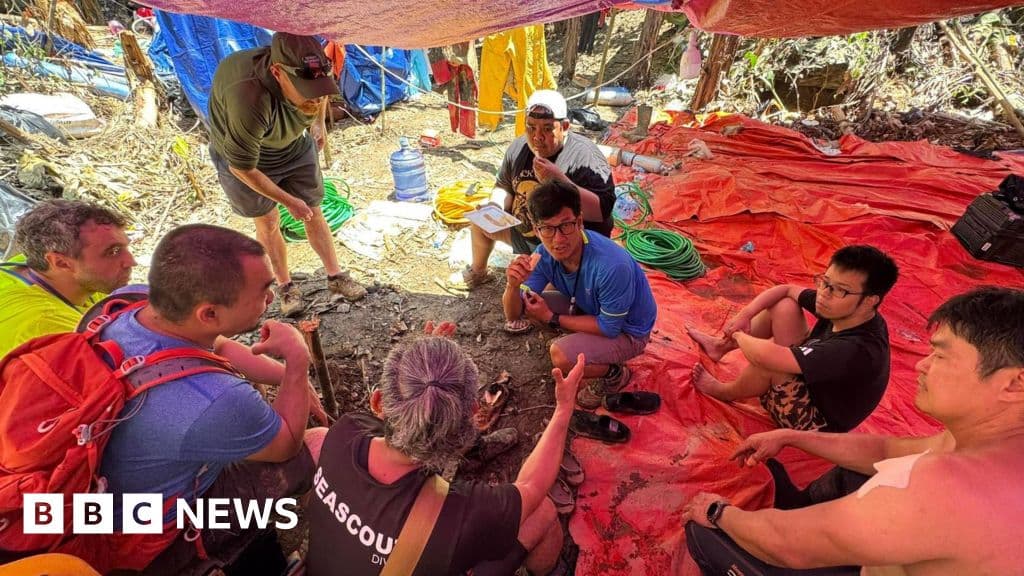
Survivors of the Laos cave rescue are aiding efforts to find the last two missing men trapped inside, sharing crucial insights for the search operation.
BBC World
A year after the tragic Air India crash, the Ali family reflects on grief, unanswered questions, and the enduring bonds of love in the face of loss.
BBC Business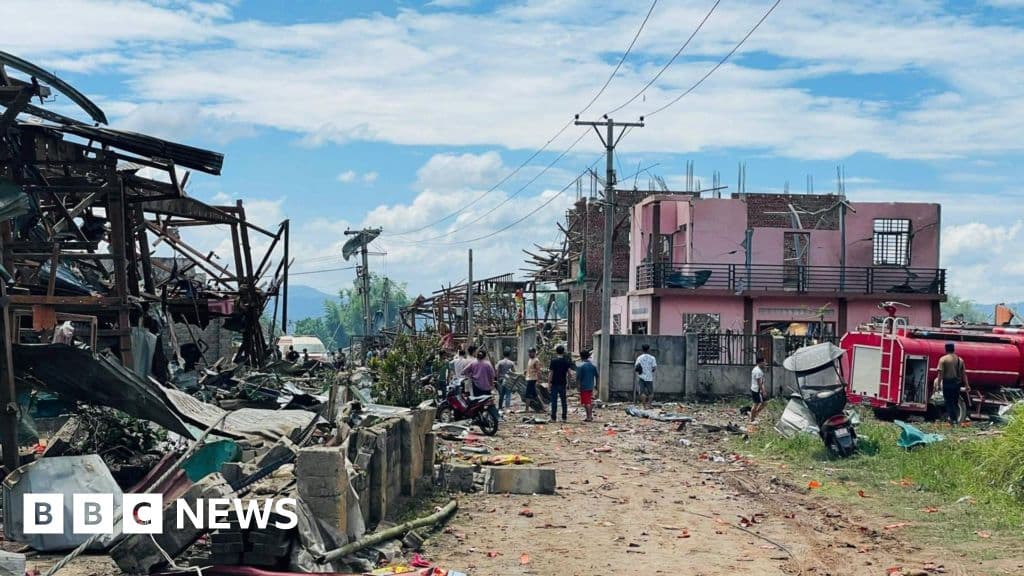
A devastating explosion in Myanmar's Kaung Tat village has killed at least 55 people, raising serious safety concerns and questions about civilian protection in conflict zones.
BBC World