
Image: Indian Express
Iran enforces new maritime rules in the Strait of Hormuz amid ongoing US naval blockade, raising tension in this critical energy trade route.
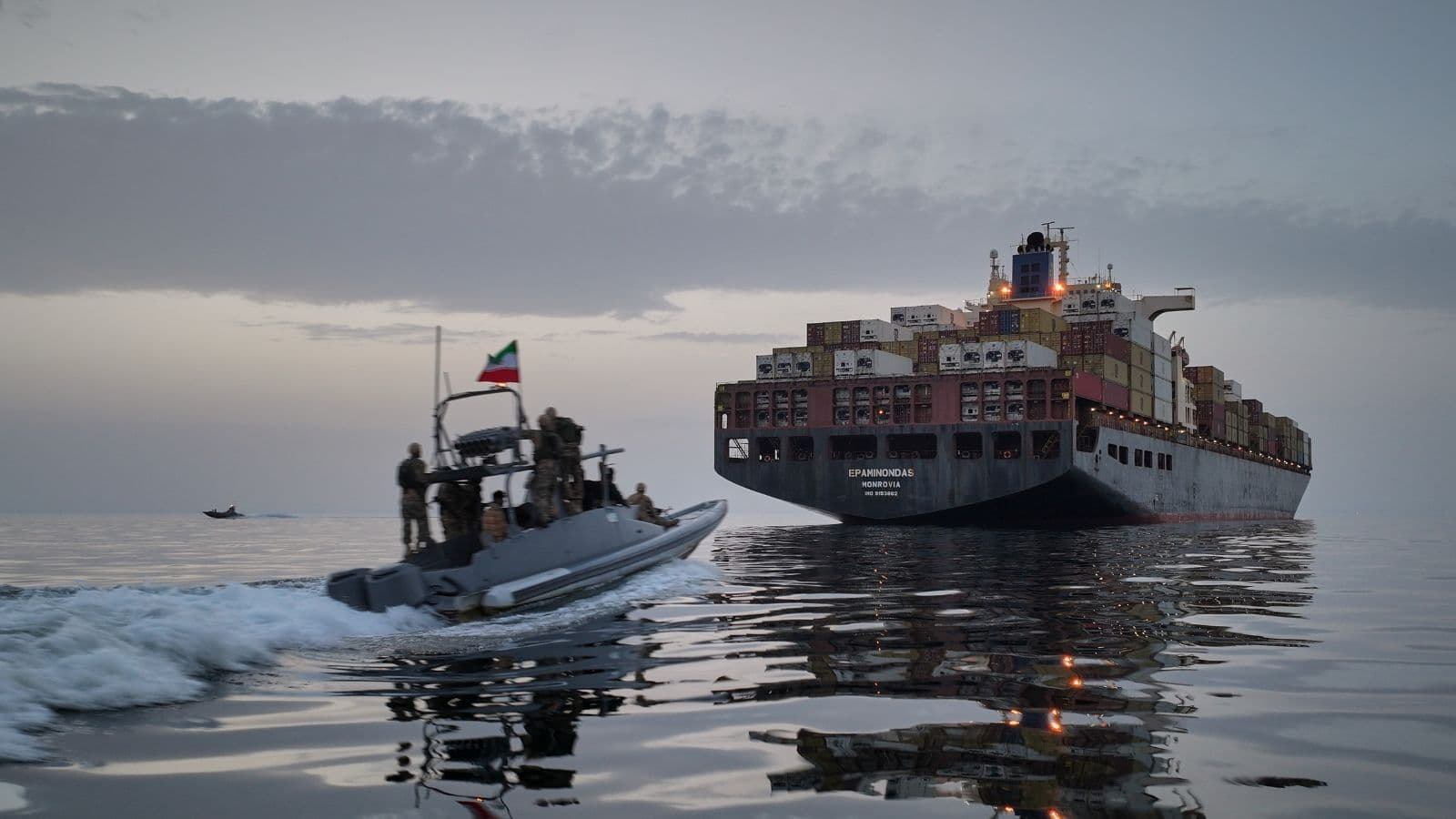
GlipzoIn a significant move on Saturday, Iran declared its intention to enforce new maritime regulations in the Strait of Hormuz and surrounding waters. This announcement aims to transform the region into a bastion of security and prosperity, as stated by officials from the Islamic Revolutionary Guard Corps (IRGC).
The IRGC's Navy highlighted plans to exert control over approximately 2,000 kilometers of Iran’s coastline, reinforcing its stance that these waters are crucial for the nation's pride and regional stability. This declaration comes amidst a backdrop of heightened tensions in the region, particularly concerning freedom of navigation for international vessels navigating through this critical maritime chokepoint.
The announcement from Iran coincided with US Treasury Secretary Scott Bessant reaffirming that the US naval blockade of Iranian ports will remain in effect until navigation freedoms are restored to levels prior to February 27. This blockade is a direct response to Iran's increasing control over the Strait, which is vital for global energy trade, accounting for 20% of the world's oil traffic.
Earlier this week, Iran had even suggested reopening the Strait if the US would lift its blockade, while also proposing to postpone nuclear negotiations. However, Washington swiftly rejected these overtures, highlighting the ongoing standoff between the two nations.
Currently, vessels navigating the Strait of Hormuz are facing threats from the IRGC’s fast attack boats. Reports indicate that these Iranian forces are compelling ships to traverse through Iranian waters and pay tolls, with some vessels reportedly paying up to $2 million for safe passage. This increase in maritime tension has forced many international shipping companies to alter their routes, navigating around Larak Island to avoid confrontations.
Iran has also demanded US acknowledgment of its sovereignty over the Strait, proposing a revenue-sharing agreement for tolls with Oman, arguing that the waters are within its territorial jurisdiction. In response, the US has threatened to interdict any vessels paying these “illegal tolls.” This ongoing maritime conflict highlights the precarious balance of power in the region.
The US blockade is primarily aimed at increasing pressure on Iran, whose economy heavily relies on crude oil exports from the Strait. Former President Donald Trump remarked that the blockade was more effective than military action, a sentiment that reflects the US strategy of economic warfare against Tehran. The blockade has led to rising global oil prices, with the Brent Crude index briefly surpassing $122 per barrel, a reflection of the disruptions in oil supply due to the ongoing tensions.
The current economic sanctions and military presence in the region are part of a broader US strategy to contain Iran's influence and curb its nuclear ambitions. Trump's administration has sought to extend the blockade, arguing that it is necessary for national security, despite facing challenges in obtaining Congressional approval.
As the fragile ceasefire between Washington and Tehran holds, the nuclear program remains a critical point of contention. The complexity of the situation is exacerbated by the intertwined nature of military, economic, and diplomatic strategies employed by both sides. The ongoing conflict not only impacts the immediate region but also global energy markets, which are sensitive to supply disruptions.
The potential for future negotiations remains uncertain. As both nations maintain their positions, observers are keenly watching how the situation unfolds, particularly with regard to any potential shifts in US policy or Iranian intentions in the coming months.
Looking forward, the dynamics in the Strait of Hormuz will likely continue to evolve. Key factors to monitor include: - Iran's military actions in the region and their implications for global shipping. - The US response to Iran’s new maritime regulations and whether any adjustments to the blockade will be made. - Developments in nuclear negotiations, which could either escalate tensions or pave the way for a diplomatic resolution.
As the situation develops, it will be crucial for stakeholders in the energy sector and international relations to stay informed, as the Strait of Hormuz remains a pivotal point for global trade and security. The balance of power in this sensitive area could shift dramatically depending on the actions taken by both Iran and the United States in the near future.

Survivors of the Laos cave rescue are aiding efforts to find the last two missing men trapped inside, sharing crucial insights for the search operation.
BBC World
A year after the tragic Air India crash, the Ali family reflects on grief, unanswered questions, and the enduring bonds of love in the face of loss.
BBC Business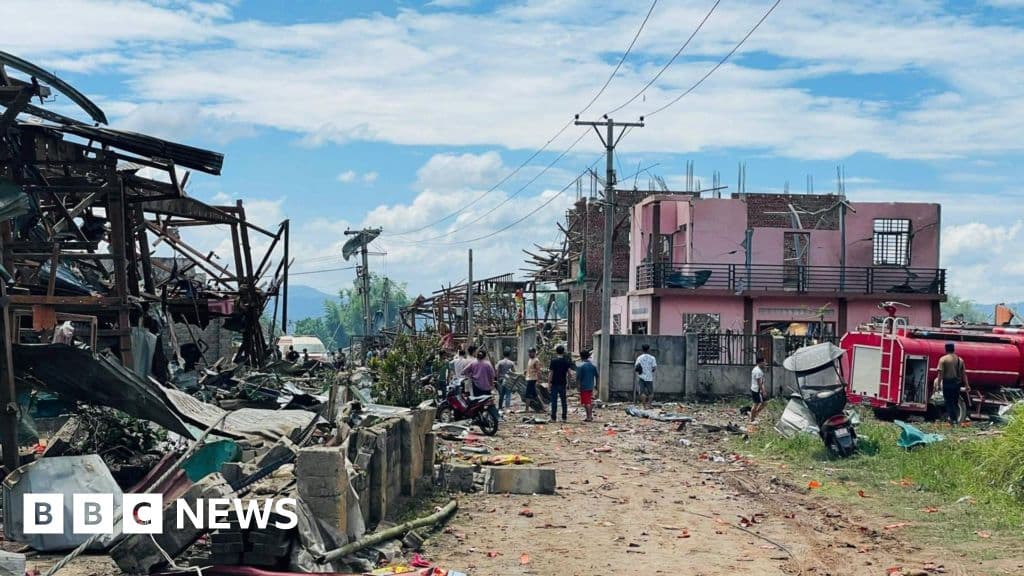
A devastating explosion in Myanmar's Kaung Tat village has killed at least 55 people, raising serious safety concerns and questions about civilian protection in conflict zones.
BBC World