
Image: BBC World
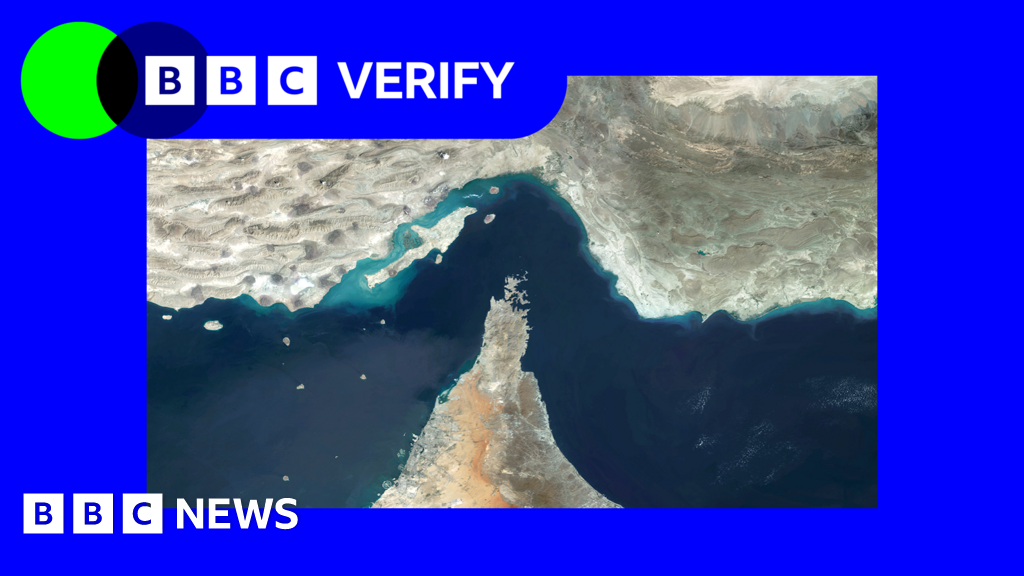
Iran military seizes 'floating armoury' Hui Chuan in Gulf of Oman, escalating maritime tensions. What does this mean for global shipping security?
GlipzoIn a dramatic escalation of maritime tensions, Iranian military forces have reportedly seized a vessel described as a 'floating armoury' in the Gulf of Oman. The incident was confirmed by the maritime risk management firm Vanguard, raising concerns about security and maritime laws in the region.
According to the UK's Maritime Trade Operations (UKMTO), the vessel, identified as the Honduras-flagged Hui Chuan, is now reportedly heading towards Iranian territorial waters. Ship-tracking data from MarineTraffic confirms that Hui Chuan last reported its location approximately 70 kilometers (40 miles) northeast of Fujairah, UAE, on Wednesday. The ship had been functioning as a floating arsenal, storing weapons for security firms tasked with protecting maritime vessels from piracy.
While Vanguard has reported the ship's purpose, details surrounding its cargo and the specific operators remain unverified. Previous reports indicate that floating armouries are commonplace in the Red Sea, Gulf of Aden, and Gulf of Oman, allowing security personnel to easily access weapons and ammunition.
This seizure comes on the heels of a concerning incident involving an Indian-flagged vessel, the Haji Ali, which was reportedly attacked off the coast of Oman on the same day. According to Indian officials, the vessel sank following a suspected explosion linked to a drone or missile attack. Fortunately, all Indian crew members were rescued by Omani authorities, and the Ministry of External Affairs termed the attack as "unacceptable."
The Haji Ali, measuring 57 meters (187 feet), had departed from Berbera Port in Somalia on May 6, bound for Sharjah, UAE. It was reportedly carrying livestock when a fire broke out, forcing the crew to abandon ship before it sank. The Oman Coast Guard successfully transferred fourteen crew members to Diba Port.
The Hui Chuan's seizure and the attack on the Haji Ali highlight the deteriorating security situation in the Strait of Hormuz, a critical maritime passage for global oil transport. The region's instability raises questions about the safety of commercial shipping routes and the potential for further military confrontations.
In light of these events, discussions on maritime security were held between U.S. President Donald Trump and Chinese President Xi Jinping in Beijing. The White House reported that Xi expressed China's opposition to the militarization of the Strait and emphasized the need for it to remain open for the free flow of energy.
The seizure of the Hui Chuan and the attack on the Haji Ali underscore the escalating tensions in an already volatile region. The Gulf of Oman is a strategic area, critical for international shipping and energy supplies. The presence of floating armouries—while intended for security—can also escalate conflicts, as they may be perceived as provocative by regional powers.
As the situation develops, several key factors may shape the future of maritime operations in the Gulf of Oman: - Increased Military Presence: Countries may ramp up naval operations to ensure the safety of commercial shipping routes. - Diplomatic Efforts: International diplomatic negotiations will likely intensify to prevent further escalation. - Security Protocols: Shipping companies may revise their security protocols, potentially opting for armed escorts in high-risk areas.
With ongoing geopolitical tensions, stakeholders will need to closely monitor developments in the region. The implications of these incidents could resonate far beyond the immediate area, affecting global trade and international relations.
In conclusion, the seizure of the Hui Chuan and the attack on the Haji Ali are pivotal moments that could redefine maritime security in one of the world’s most crucial shipping lanes. Stakeholders must remain vigilant as the situation evolves.
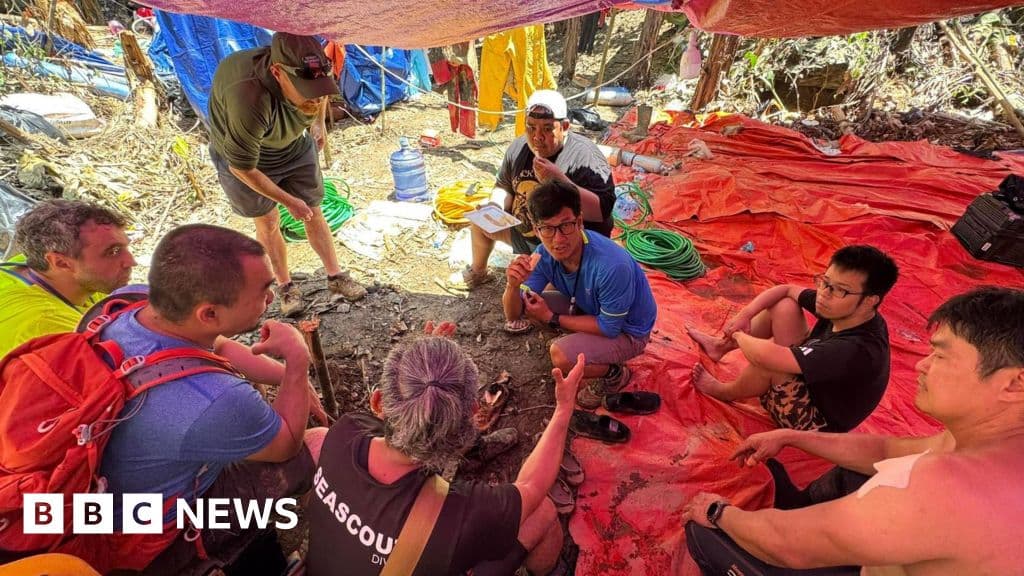
Survivors of the Laos cave rescue are aiding efforts to find the last two missing men trapped inside, sharing crucial insights for the search operation.
BBC World
A year after the tragic Air India crash, the Ali family reflects on grief, unanswered questions, and the enduring bonds of love in the face of loss.
BBC Business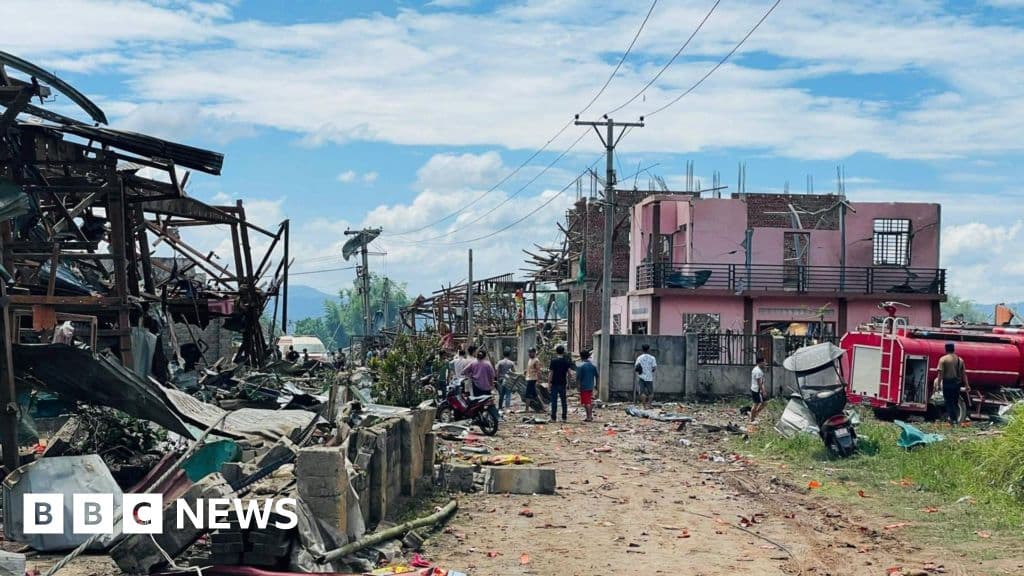
A devastating explosion in Myanmar's Kaung Tat village has killed at least 55 people, raising serious safety concerns and questions about civilian protection in conflict zones.
BBC World