

AI Generated
Tensions rise in the Iran-Israel conflict as explosions are reported in Dubai, while India secures passage for tankers in the Strait of Hormuz.
GlipzoTensions between Iran and Israel have reached new heights as reports of explosions echo in Dubai, signaling the ongoing conflict in the region. On [insert date], the situation escalated following discussions between Indian External Affairs Minister S. Jaishankar and Iranian Foreign Minister Abbas Araghchi. These diplomatic engagements have led to a notable development: the allowance of India-flagged tankers to navigate through the critical Strait of Hormuz. This strategic waterway is vital for global oil transportation, and Iran's decision marks a significant pivot amidst the ongoing hostilities.
The Strait of Hormuz serves as a crucial chokepoint, with nearly 20% of the world's oil passing through it. Iran's move to permit Indian vessels to traverse these waters suggests a potential shift in its maritime strategy, as tensions with Israel continue to escalate. The diplomatic discussions aim to stabilize relations and mitigate the risks of maritime confrontations, highlighting India's role in balancing regional dynamics.
In the backdrop of these diplomatic efforts, the Iran-Israel conflict continues to intensify. Over the past few weeks, both nations have engaged in a series of military actions, with Israel conducting airstrikes in various locations believed to be linked to Iranian military operations. The conflict has not only heightened security concerns in the region but has also affected global oil markets and international relations.
The explosions reported in Dubai are a stark reminder of the conflict's potential spillover effects. Citizens and expatriates in the UAE have expressed unease as the proximity of the hostilities raises questions about safety and stability in the Gulf region.
Key aspects of the current situation include: - Airstrikes by Israel targeting Iranian positions. - Naval activity in the Gulf, particularly concerning oil tankers. - Increased military readiness on both sides, suggesting a looming escalation. - Heightened security measures in Gulf nations, particularly in UAE territory.
As hostilities continue, diplomatic channels remain open. The meeting between Jaishankar and Araghchi was seen as a pivotal moment for India, aiming to strengthen ties with Iran while advocating for regional stability. The Indian government has emphasized its commitment to ensuring safe passage for its vessels in the Gulf, which is crucial for its energy security.
During the meeting, both ministers discussed various regional issues, including the implications of ongoing conflicts and the need for dialogue. Iran's willingness to allow Indian vessels through the Strait of Hormuz may reflect its strategic interests in fostering alliances amid growing isolation from Western countries.
Experts suggest that India’s engagement could play a role in mitigating the conflict. The Indian government’s proactive stance aims to ensure that it remains a key player in the Gulf Cooperation Council (GCC) while addressing the complexities of its relationships with both Iran and Israel.
The ongoing conflict between Iran and Israel is not just a bilateral issue but has profound implications for the entire Middle East. The conflict's repercussions can be felt through rising oil prices, enhanced military posturing by neighboring countries, and increased risk of regional warfare.
As the situation develops, global powers are closely monitoring the events. The United States has reiterated its commitment to Israel's security while maintaining a cautious approach towards Iran. Meanwhile, European nations are advocating for diplomatic solutions to prevent further escalation.
The Iranian-Israeli discord could also lead to shifts in alliances within the region, as countries reassess their positions in light of a potentially more volatile environment. Observers note that nations like Saudi Arabia and the UAE are keenly aware of the situation, as it could impact their own security and economic interests.
The Iran-Israel conflict remains a critical flashpoint in global geopolitics, with significant implications for regional stability and international relations. As explosions reverberate in Dubai and tensions escalate, the involvement of key players like India illustrates the complexities of diplomacy in a fraught landscape. The outcome of this conflict could redefine alliances and alter the course of regional politics.
With diplomatic efforts underway, the world watches closely, hopeful for a resolution that can avert further violence and ensure the safety of maritime routes in the Gulf.
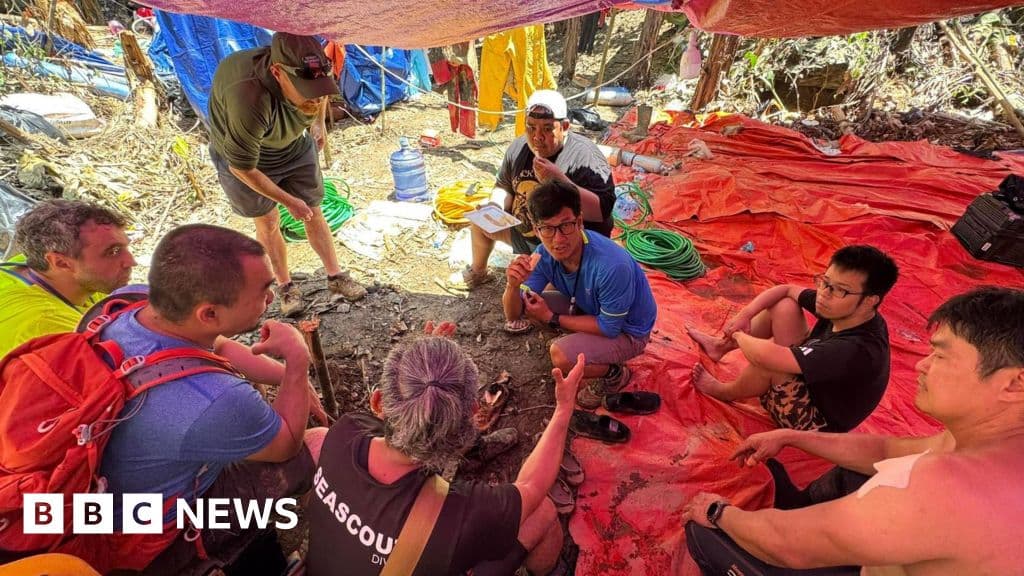
Survivors of the Laos cave rescue are aiding efforts to find the last two missing men trapped inside, sharing crucial insights for the search operation.
BBC World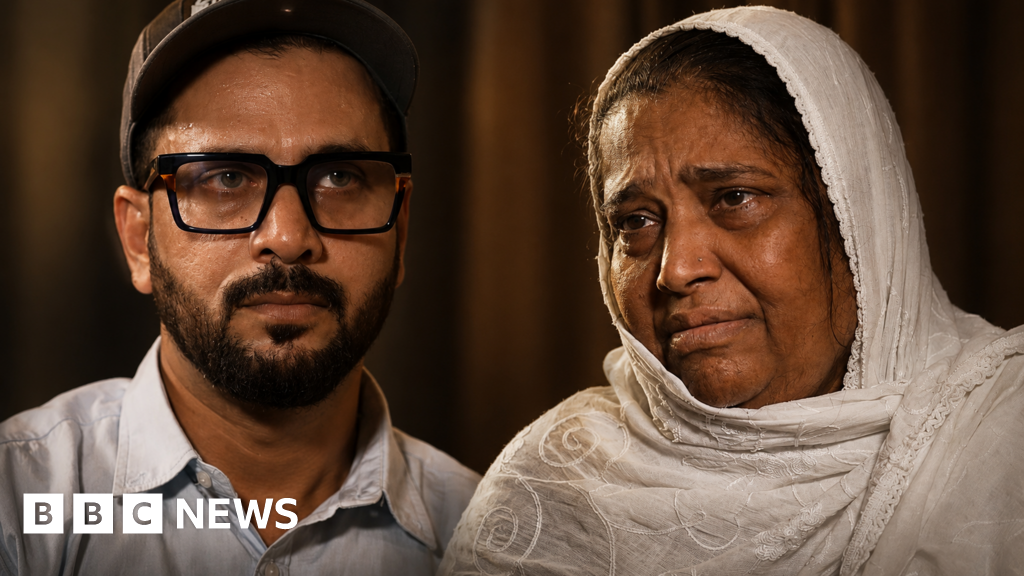
A year after the tragic Air India crash, the Ali family reflects on grief, unanswered questions, and the enduring bonds of love in the face of loss.
BBC Business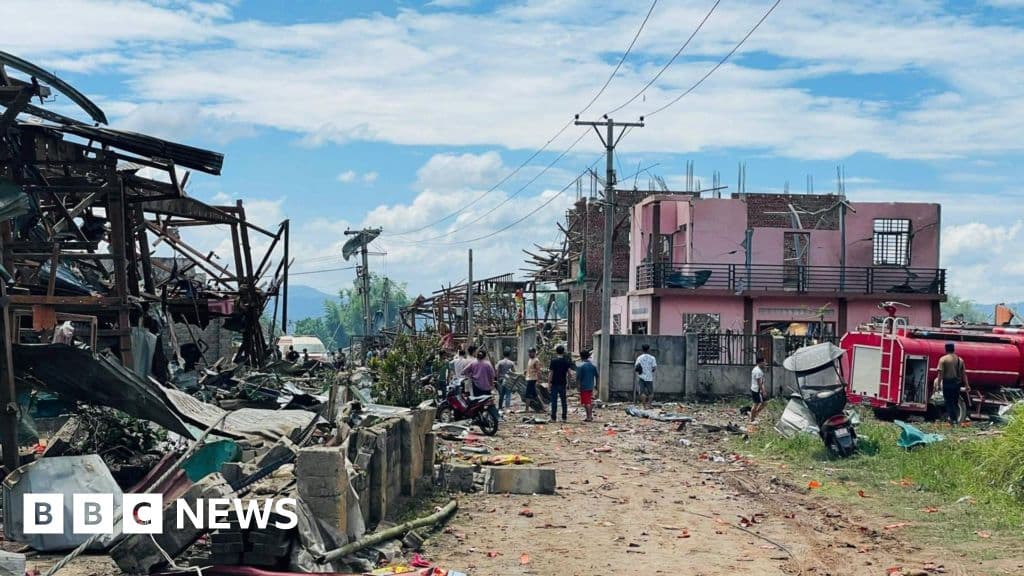
A devastating explosion in Myanmar's Kaung Tat village has killed at least 55 people, raising serious safety concerns and questions about civilian protection in conflict zones.
BBC World