
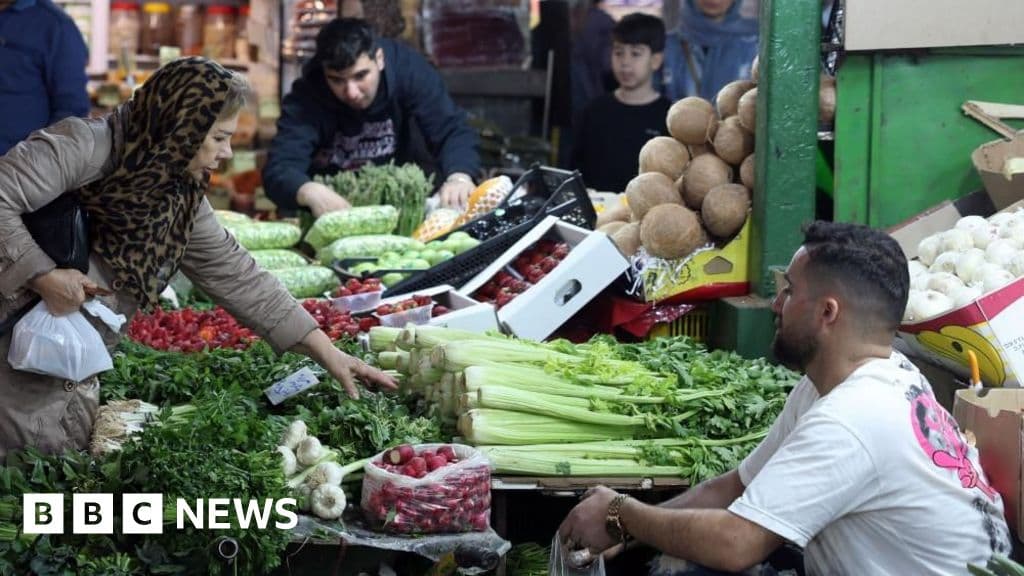
Image: BBC World
Iran is seeing unprecedented job losses due to the ongoing conflict with the US and Israel, with over 2 million jobs lost and rising economic instability.
GlipzoThe ongoing conflict between Iran, the US, and Israel has plunged the nation into an economic crisis, resulting in a staggering two million job losses. This alarming figure was disclosed by Gholamhossein Mohammadi, the Deputy Minister of Work and Social Security, just two days ago. As the war intensifies, the repercussions are being felt across various sectors, from manufacturing to retail, and even the burgeoning tech industry.
Social media has become a platform for Iranians to express their frustrations and share observations about the drastic changes in their day-to-day lives. Many users have noted the eerie quietness in public spaces, such as the Tehran metro, and a significant increase in available parking, highlighting the decline in daily commuters. One user poignantly remarked, "You can get it from the emptiness of the Hemmat [highway in Tehran]. My one-and-a-half hour journey took only half an hour."
The ramifications of the war extend beyond job losses, with consumer spending taking a hit as families are forced to prioritize essential goods. This contraction in spending has had a ripple effect on various sectors, including tourism, restaurants, and retail businesses that do not deal in groceries. The atmosphere in the country is one of caution, with many opting to save rather than spend.
Adding to the turmoil, the Iranian government has enforced an internet blackout since the onset of the conflict. Officials claim this measure is necessary for national security, aimed at thwarting espionage and cyber threats. This has severely impacted Iran's tech and digital sectors, which had previously shown promise. During previous unrest, such as last year's protests, similar internet restrictions were employed to hinder organization and information dissemination.
According to Sattar Hashemi, Iran's Minister of Information and Communication Technology, the economic toll of daily internet outages amounts to at least 50 trillion rials (approximately $35 million). With the current blackout extending over 52 days, the cumulative financial damage to the Iranian economy exceeds $1.8 billion. This loss is particularly detrimental to female entrepreneurs, who have had limited opportunities in the workforce, with only one in nine working-age women employed before the conflict.
Many women depended on platforms like Instagram to market their products and connect with customers. The combination of job losses and the digital blackout has created a precarious situation for many families.
Even in a climate where demand for news is on the rise, many media organizations are not immune to the economic fallout. The Iran Labour News Agency (Ilna) recently made headlines by laying off all its journalists, asking them to work as freelancers instead. This trend reflects the broader struggles faced by various industries across the nation.
The war has directly impacted key economic sectors, including petrochemicals and steel manufacturing. In late March and early April, strikes against two of Iran's major petrochemical plants and two significant steel manufacturers led to tens of thousands of job losses. The repercussions are felt not just by those directly employed but also by countless others in supply chains dependent on these industries.
Iran's extensive car manufacturing sector, which provides jobs for around one million people, is experiencing significant reductions in workforce as reported layoffs ripple through its supply chain. As one executive from a manufacturing firm in Qom explained, the lack of raw materials has forced them to halt production entirely. "We were hoping that when the war stopped, things would go back to normal. But we cannot even get the material loaded on the ship, as our foreign suppliers are worried that the ship won't be permitted to enter the Iranian waters."
This sentiment is echoed by workers in various industries, with reports of companies making redundancies while promising to rehire as conditions improve. However, for many, that promise feels increasingly uncertain.
As Iran grapples with these escalating challenges, the future remains bleak. The combination of job losses, reduced consumer spending power, and the ongoing internet blackout severely hampers the economy's ability to recover. Observers are left questioning how long the conflict will continue and what further measures the Iranian government may take in response to the deteriorating economic situation.
The implications of this crisis extend beyond economic metrics; they touch the social fabric of Iranian society. With unemployment rising and opportunities dwindling, the potential for unrest grows. As the conflict between Iran, the US, and Israel continues, the Iranian people must navigate an increasingly complex and challenging landscape, raising concerns about both immediate and long-term stability.
In conclusion, the situation in Iran is precarious, with millions affected by the ongoing war and its economic fallout. As policymakers and citizens alike brace for what lies ahead, the nation faces a critical juncture. Observers will be watching closely to see how the government responds to this crisis and whether any signs of recovery emerge in the coming months. The resilience of the Iranian people will undoubtedly be tested in the face of such adversity.
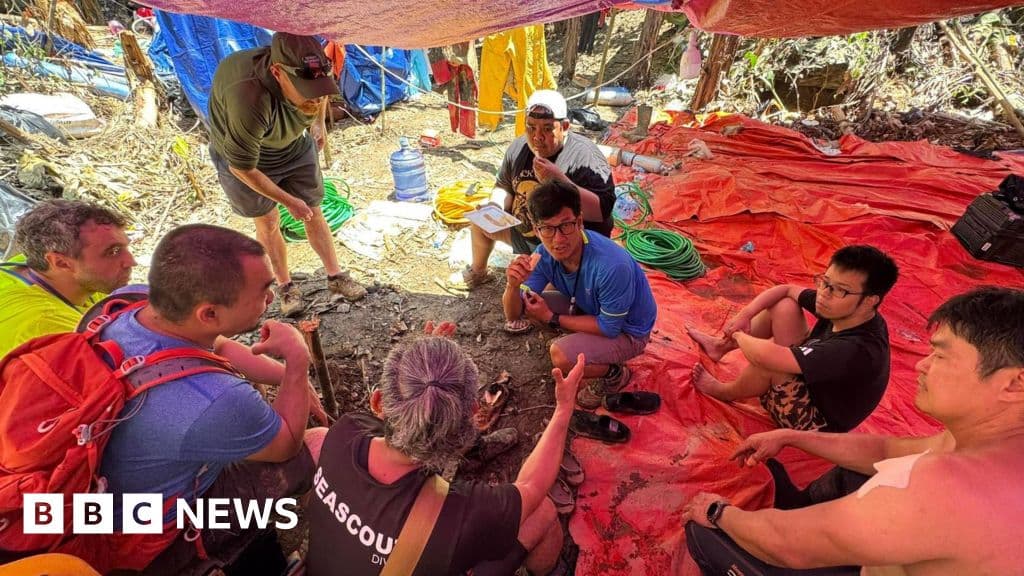
Survivors of the Laos cave rescue are aiding efforts to find the last two missing men trapped inside, sharing crucial insights for the search operation.
BBC World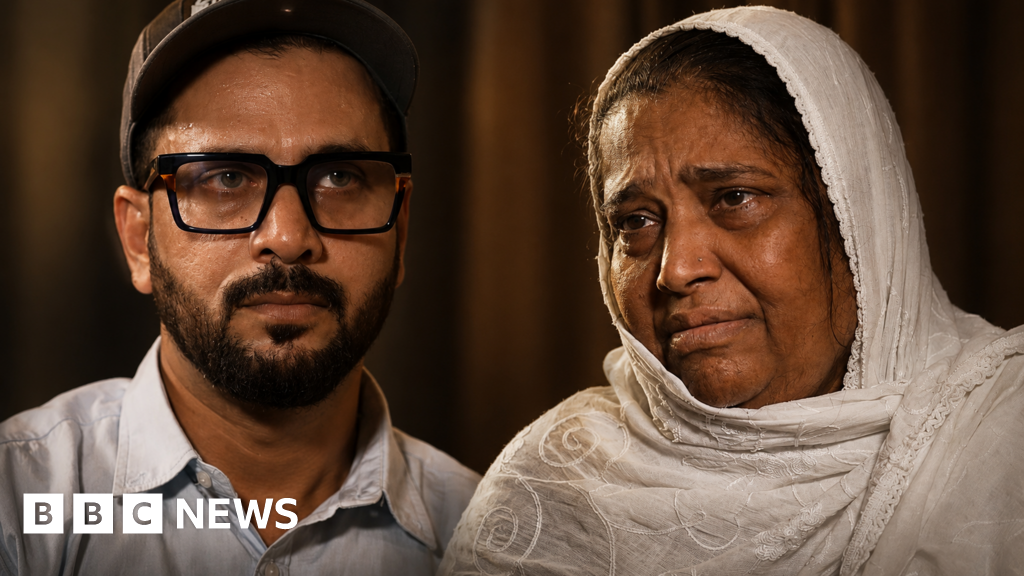
A year after the tragic Air India crash, the Ali family reflects on grief, unanswered questions, and the enduring bonds of love in the face of loss.
BBC Business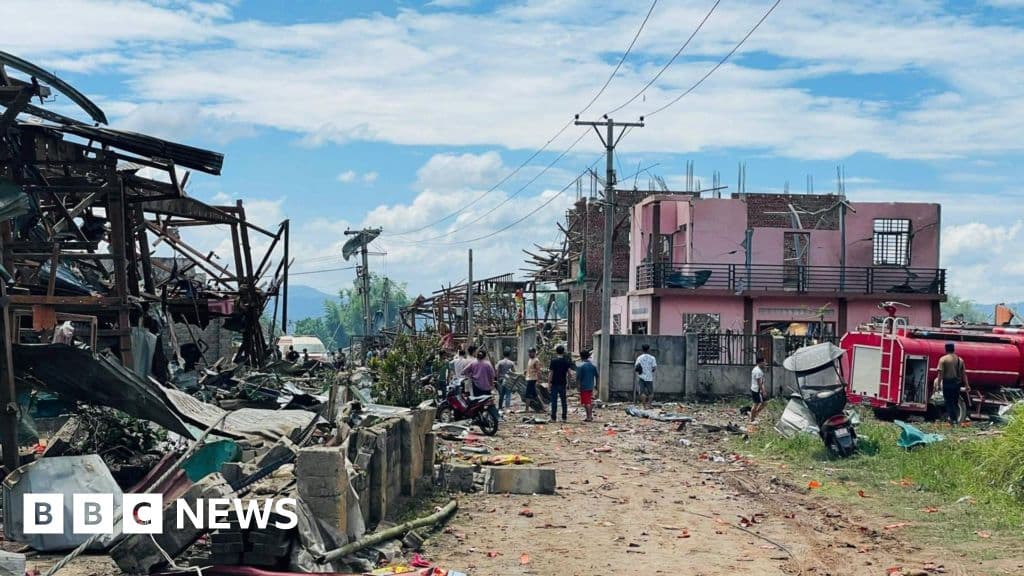
A devastating explosion in Myanmar's Kaung Tat village has killed at least 55 people, raising serious safety concerns and questions about civilian protection in conflict zones.
BBC World