
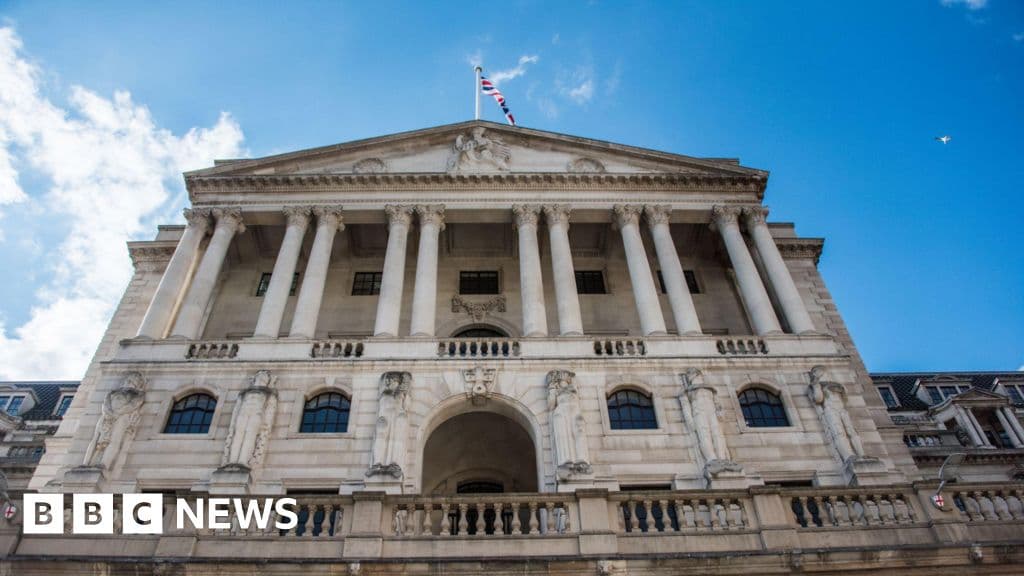
Image: BBC Business
Interest rates remain at 3.75% as uncertainty over the Iran conflict influences UK economic stability. What does this mean for borrowers and savers?
GlipzoThe Bank of England is projected to maintain its interest rates at 3.75%, as uncertainty surrounding the ongoing conflict in Iran continues to cast a shadow over both the UK and global economies. This decision, anticipated by analysts, reflects a cautious stance as the Bank assesses the potential economic ramifications stemming from the Middle East conflict and its effects on the cost of living.
The benchmark interest rate serves as the Bank's key mechanism for managing inflation, which measures the annual increase in prices for goods and services. Currently, inflation in the UK stands at 3.3%, surpassing the Bank's target of 2%. With inflation remaining elevated, the Monetary Policy Committee (MPC) is expected to take a prudent approach when making decisions regarding future rate adjustments.
As the situation in Iran unfolds, its economic impact is palpable. Sandra Horsfield, an economist at Investec, noted, "The repercussions of the Iran conflict are still keenly felt and uncertainty about how the situation could evolve also remains high, which will be key points the Monetary Policy Committee will have to consider." This sentiment underscores the delicate balance the Bank must maintain as it navigates changing economic conditions.
The MPC's upcoming meeting, scheduled for 12:00 BST, will not only include the interest rate decision but will also feature the release of the Bank's first comprehensive monetary policy report since the escalation of hostilities between the US and Israel and Iran, which began in late February. Economists stress that while the Bank is unlikely to provide definitive guidance on future rate trajectories, the meeting will be closely monitored by various stakeholders.
The decision to hold interest rates steady will have significant implications for both borrowers and savers. The cost of mortgages has already seen fluctuations due to the upheaval resulting from the Iran war. For homeowners entering a new fixed-rate mortgage deal, the interest rate remains constant until the term expires—typically after two or five years.
At the onset of the conflict, the average interest rate on a two-year fixed mortgage was 4.83%, but it surged to a peak of 5.90% before slightly retreating to 5.81%. The changing mortgage landscape has prompted numerous lenders to announce rate cuts in recent days, although mortgage brokers caution that rate increases cannot be entirely dismissed in the near future.
The MPC's decisions can ripple through the economy, influencing borrowing costs for families and businesses alike. A stable interest rate may provide some relief in a time of uncertainty, but the ongoing conflict in Iran raises concerns about future inflation and economic stability. If prices rise sharply in the coming months, the purchasing power of savings could diminish, impacting consumers' financial security.
As businesses and individuals await the outcomes of the MPC meeting, there is a growing sense of anticipation regarding how the Bank of England will adapt to the evolving economic landscape. The potential for further rate adjustments remains a topic of debate among economists, with some believing that increases are still on the horizon.
As the situation in Iran continues to develop, the Bank of England faces a challenging economic environment. Investors and analysts alike will be keenly observing: - Future MPC Meetings: Any shifts in the interest rate policy in response to ongoing global events. - Economic Forecasts: Insights from the Bank's upcoming monetary policy report will shed light on expected economic conditions. - Inflation Trends: Monitoring inflation rates will be crucial for understanding the broader economic impact and potential adjustments in interest rates.
In conclusion, while the Bank of England's decision to keep interest rates steady may offer temporary stability amidst global uncertainty, the long-term outlook remains fluid. Stakeholders must remain vigilant as they navigate these turbulent economic waters.
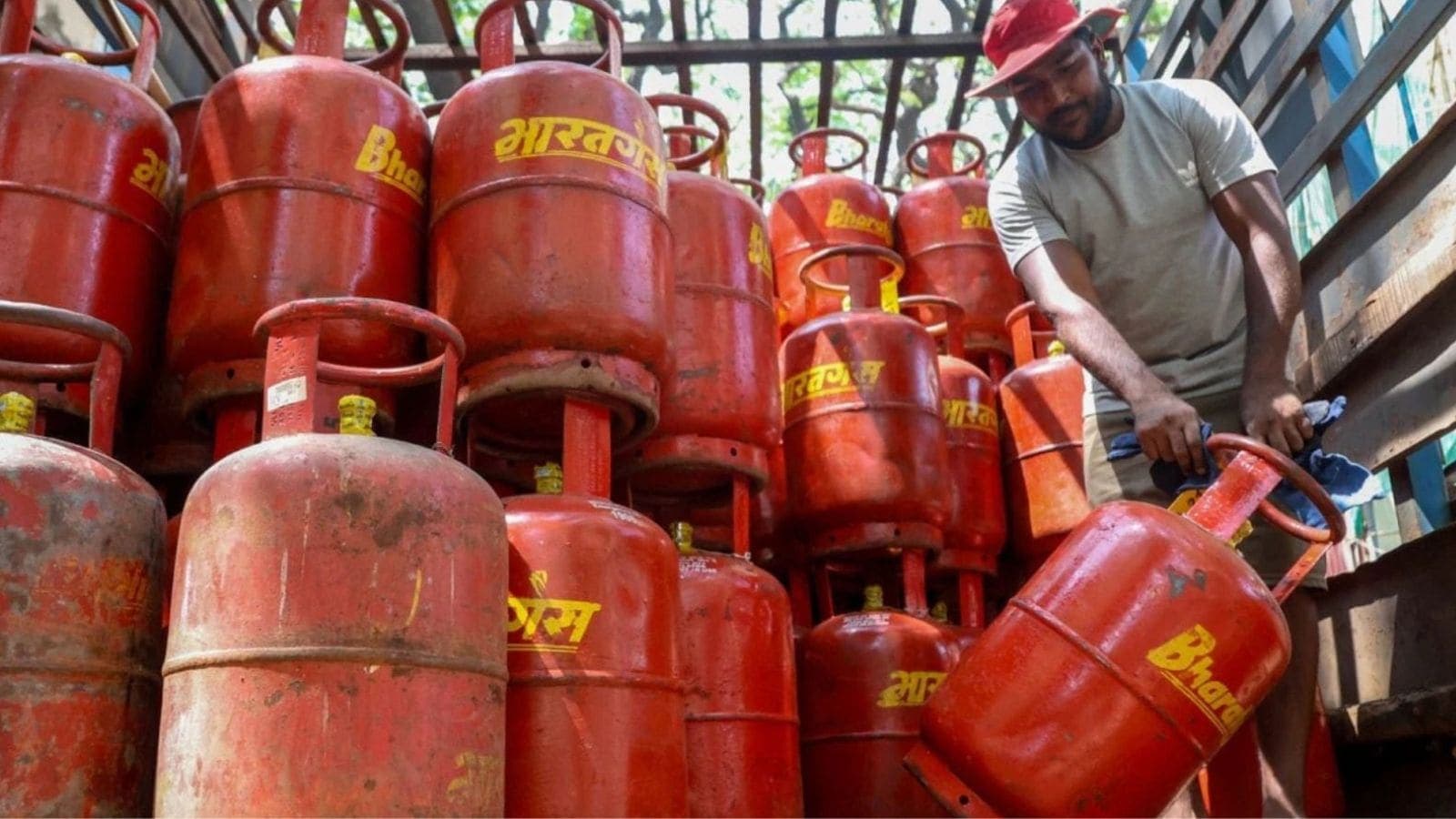
Commercial LPG prices have risen again, with increases of ₹42 in Delhi and ₹53.50 in Kolkata impacting businesses and consumers alike. Find out more.
Indian Express
Discover how a tragic coal mine explosion in Shanxi, China, reveals ongoing safety concerns in the industry amidst a push for green energy.
BBC Business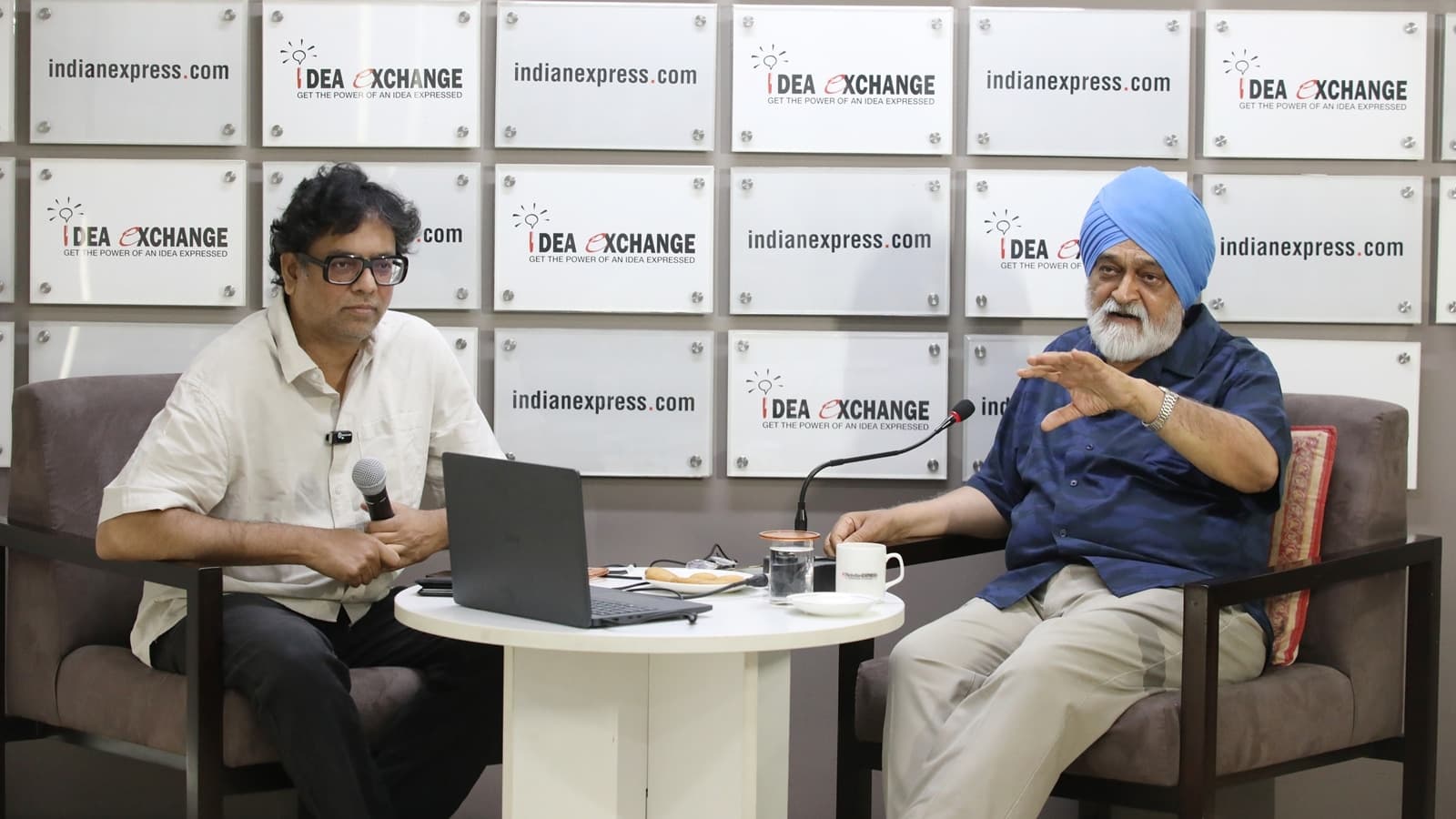
Montek Singh Ahluwalia highlights key economic challenges for India, emphasizing the need for a strategic approach to balance payments and investment.
Indian Express