
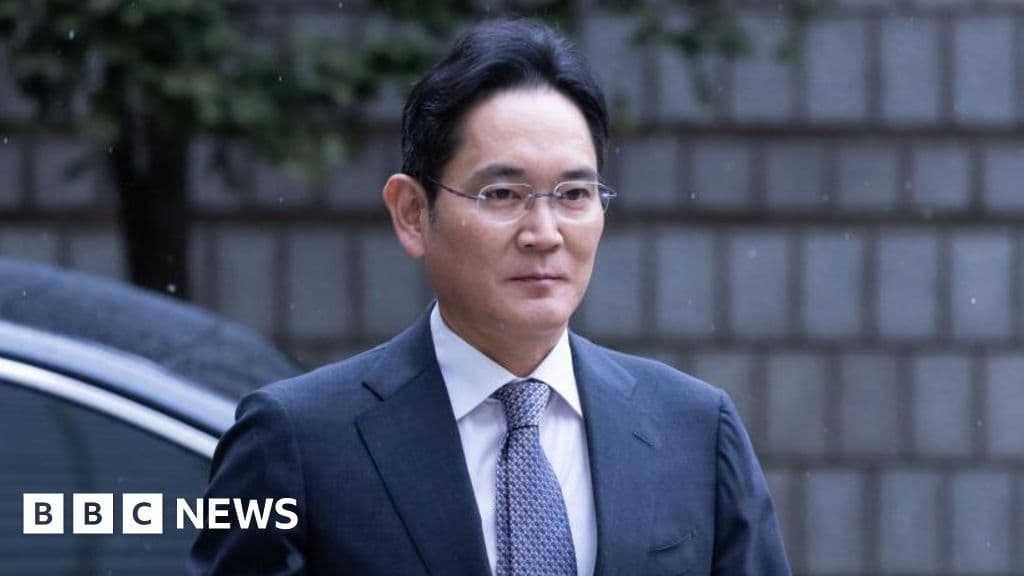
Image: BBC Business
Explore the intricate drama of Samsung's succession, where heir Jae-yong faces challenges amid corporate scandal and public scrutiny. What does the future hold?
GlipzoPower transitions within major corporations often fly under the radar. However, when it comes to Samsung, the intricate family dynamics and the company's monumental influence on the South Korean economy make it a headline story. The saga took a dramatic turn in 2017, when Lee Jae-yong, also known as JY Lee, found himself behind bars due to his involvement in a significant corruption scandal that led to the downfall of the nation's president.
At 57 years old, Jae-yong is the grandson of Samsung's founder, and his role in the conglomerate is pivotal. Author Geoffrey Cain, who penned the book Samsung Rising, remarked that he is “one of the most powerful people in the history of technology.” Yet, the road to leadership has been rocky, particularly following his father's heart attack in 2015, which left the succession plan uncertain. Accusations of bribery and fraud have loomed over Jae-yong, tarnishing his reputation and complicating his ascent to power.
The accusations against Jae-yong involved funneling money to foundations managed by Choi Soon-sil, a close associate of former President Park Geun-hye, in exchange for political backing during a merger crucial for Samsung's future. This merger between Samsung C&T and Cheil Industries was strategic for consolidating power within the conglomerate, especially regarding Samsung Electronics, the crown jewel of the family empire.
Despite consistently denying the fraud allegations, Jae-yong was convicted of bribery in 2017, a verdict that ignited widespread protests among South Koreans. The public outcry was so immense that it culminated in the impeachment of President Park, showcasing the deep connections between politics and corporate power in South Korea. This scandal not only impacted Jae-yong’s personal life but also raised questions about the integrity of the Samsung leadership.
Since its inception as a humble grocery store in the late 1930s, Samsung has transformed into a global giant under the stewardship of the Lee family, who are often regarded as the “royalty” of South Korea. Their expansion into various sectors, including tech, construction, and insurance, solidified Samsung's status as a powerhouse. However, remaining under family control has demanded intricate maneuvering involving mergers, acquisitions, and a delicate balancing act in leadership transitions.
Following his father's health crisis, Jae-yong was thrust into a position of de facto leadership, but he faced numerous obstacles. The complex web of cross-shareholdings among Samsung's diverse subsidiaries—a network that includes Samsung Electronics, retail, construction, and chemicals—made the transition particularly challenging. To add to the complications, the family was staring down an inheritance tax bill exceeding $10 billion (£7.4 billion). Selling shares to cover this debt could jeopardize their controlling stake in the conglomerate, creating a precarious situation for Jae-yong.
As the only son, Lee Jae-yong was seen as the natural successor to lead Samsung. Yet, despite being groomed for leadership for over thirty years, many questioned his suitability for the role. Comparisons to his father highlighted stark differences in their leadership styles. Jae-yong was often perceived as shy, cautious, and lacking the aggressive drive that characterized his father.
Jaeyeon Lee, a reporter from Hankyoreh, noted, “He was just really different... While his father was very aggressive and goal-oriented, [Lee Jae-yong] was seen as more shy and quiet.” This hesitance has stirred conversations about whether his sister may have been a more capable leader, with critics suggesting that Jae-yong lacked the ruthlessness necessary for the corporate landscape. His failed initiative, e-Samsung, during the dot-com bubble further fueled doubts about his leadership capabilities.
As Samsung continues to navigate the complexities of its corporate and familial landscape, the future remains uncertain. The company is at a pivotal juncture, facing challenges that not only impact its operations but also have broader implications for the South Korean economy. The Lee family's legacy is intertwined with the nation's economic aspirations, making their leadership decisions critical for the country's future.
Looking ahead, several factors will influence how Samsung manages its succession and corporate governance: - Regulatory Scrutiny: The ongoing scrutiny of corporate governance practices in South Korea may result in stricter regulations that could affect Samsung's operations. - Public Sentiment: The public's perception of Jae-yong and the Lee family's role in corporate scandals will play a significant role in shaping Samsung's image. - Technological Innovation: As the tech landscape evolves, how Samsung adapts to emerging technologies will be crucial for maintaining its competitive edge.
In conclusion, while Lee Jae-yong may have faced significant hurdles, his journey is emblematic of the broader challenges inherent in corporate succession, especially in family-led enterprises. As Samsung continues to evolve, the world will be watching closely to see how this storied company navigates its future amid the complexities of legacy, power, and public trust.
Why It Matters: The story of Samsung's succession is not merely a corporate tale; it echoes the intricate relationship between power, politics, and public sentiment in South Korea, highlighting the implications for both the company and the nation as a whole.

Commercial LPG prices have risen again, with increases of ₹42 in Delhi and ₹53.50 in Kolkata impacting businesses and consumers alike. Find out more.
Indian Express
Discover how a tragic coal mine explosion in Shanxi, China, reveals ongoing safety concerns in the industry amidst a push for green energy.
BBC Business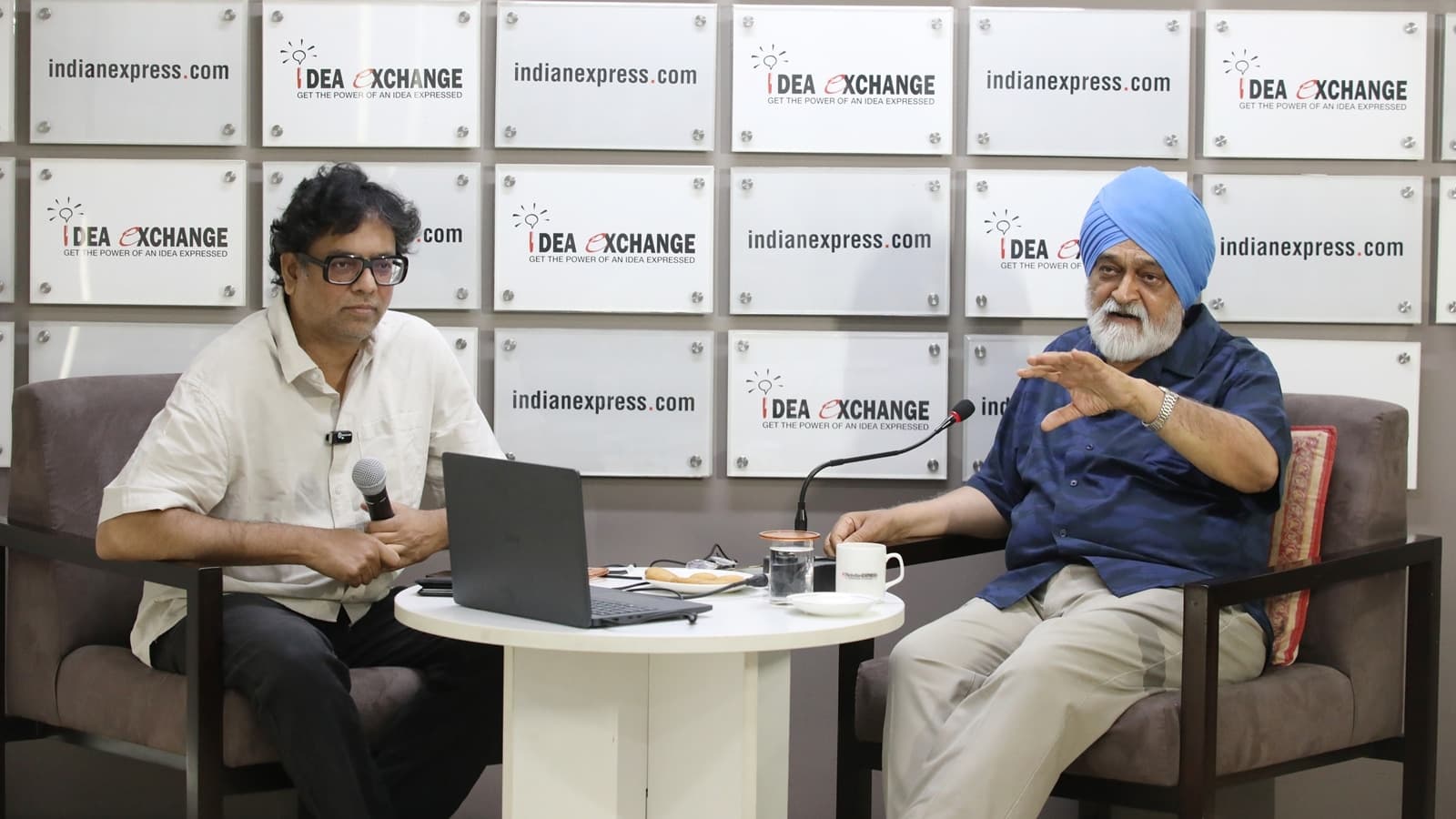
Montek Singh Ahluwalia highlights key economic challenges for India, emphasizing the need for a strategic approach to balance payments and investment.
Indian Express