

Image: Times of India
Explore Iran's resilient 'Mosaic Defense' strategy, revealing why targeting top commanders fails to dismantle its formidable military capabilities.
GlipzoIn recent years, Iran's military strategy, particularly its so-called Mosaic Defense, has drawn significant attention amid ongoing conflicts in the Middle East. This multifaceted approach emphasizes adaptability and decentralization, allowing Iran to maintain a formidable military presence despite the loss of key commanders. The intricate nature of this strategy raises questions about whether targeting high-ranking officials can effectively dismantle Tehran's war capabilities.
Mosaic Defense refers to a strategic military framework that Iran has developed to ensure resilience against external threats. The central tenet of this approach involves creating a network of interconnected yet independent units that can operate autonomously. Key features of this strategy include:
The roots of Iran's Mosaic Defense strategy can be traced back to its experiences during the Iran-Iraq War (1980-1988). The prolonged conflict instilled a profound understanding of the need for resilience and adaptability in the face of overwhelming odds. Over the decades, Iran has refined its military tactics to ensure that even if leadership figures are eliminated, the underlying structure remains intact.
Recent Examples: The assassination of key military figures, such as Qasem Soleimani in January 2020, demonstrated the limitations of targeting high-ranking officials. Despite the significant loss, Iran showcased its ability to retaliate and adapt, launching missile strikes against U.S. bases in Iraq shortly after Soleimani's death. This incident underscored the effectiveness of Iran’s Mosaic Defense strategy, as it continued to operate cohesively despite the loss of a pivotal commander.
The effectiveness of eliminating top military leaders in Iran is increasingly questionable. Observers have noted that while such actions may offer immediate tactical advantages, they often fail to achieve long-term strategic goals. Key considerations include:
Understanding Iran's Mosaic Defense is crucial for analyzing the geopolitical landscape of the Middle East. As tensions continue to rise, this strategy presents challenges for regional and global players alike. Here’s why this matters:
As the situation in the Middle East evolves, several factors will play a critical role in shaping Iran's military strategy and its impact on regional stability.
In conclusion, while targeting top commanders may yield short-term successes, it is evident that Iran’s Mosaic Defense ensures that its military capabilities remain resilient and adaptable. As global powers navigate the complexities of Iranian influence, understanding this intricate web of military strategy will be essential for future policymaking and regional stability.
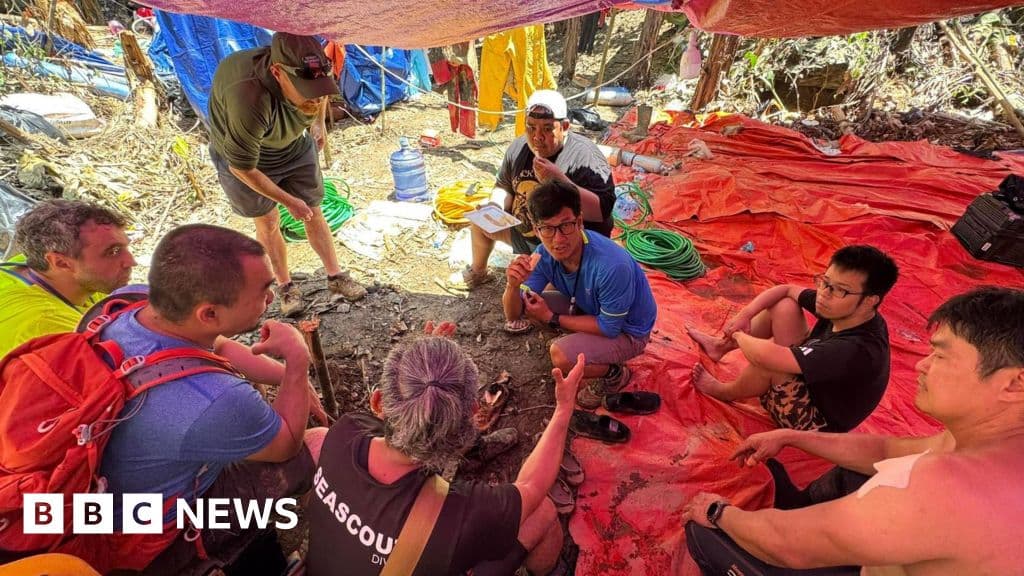
Survivors of the Laos cave rescue are aiding efforts to find the last two missing men trapped inside, sharing crucial insights for the search operation.
BBC World
A year after the tragic Air India crash, the Ali family reflects on grief, unanswered questions, and the enduring bonds of love in the face of loss.
BBC Business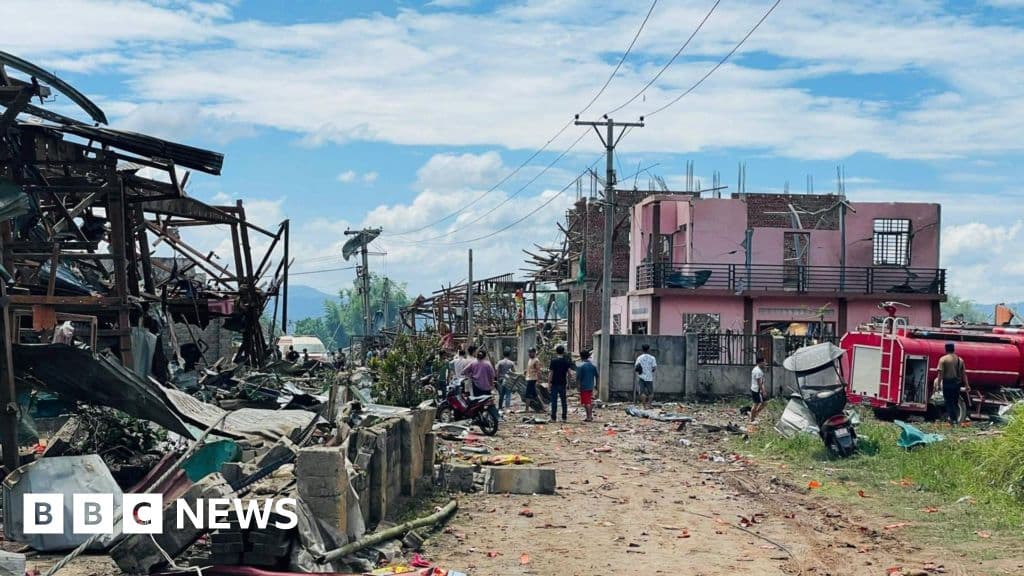
A devastating explosion in Myanmar's Kaung Tat village has killed at least 55 people, raising serious safety concerns and questions about civilian protection in conflict zones.
BBC World