
Image: BBC World
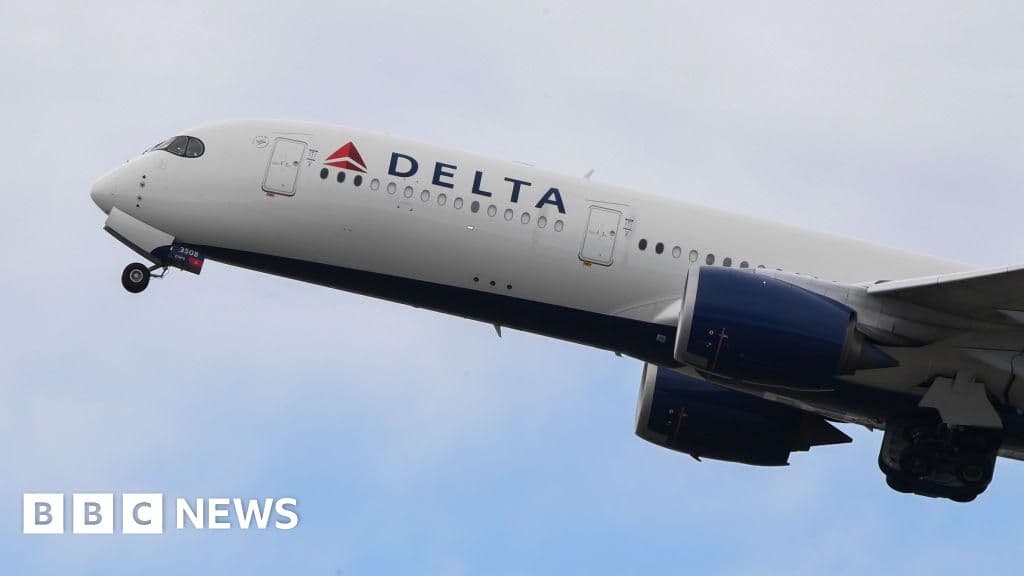
A Delta Airlines flight from LA to Sydney faced turbulence injuring several. Experts warn climate change increases turbulence risks. What’s next for air travel safety?
GlipzoOn Friday morning, a Delta Airlines flight traveling from Los Angeles to Sydney experienced sudden turbulence as it approached its destination, resulting in injuries among crew members. This harrowing incident underscores the increasing concerns surrounding air travel safety and the impact of changing climate conditions on flight experiences.
According to a Delta spokesperson, Delta Flight 41 encountered a brief period of turbulence during its landing at Sydney Airport. The aircraft, an Airbus A350, carried 245 passengers along with 15 crew members. The flight successfully landed at 06:48 local time (19:48 GMT on Thursday) without any catastrophic issues, but the fallout from the turbulence was significant.
The New South Wales Ambulance Service reported that they assessed a total of five patients, three of whom were taken to the hospital for treatment of minor injuries. These included back pain and headaches, affecting individuals ranging in age from their 30s to 70s. Emergency vehicles were strategically stationed on the tarmac, prepared for immediate response upon the plane's arrival, having received a call just three minutes before landing.
This incident is not isolated; it follows a concerning trend of turbulence-related injuries in the aviation industry. In a similar incident last year, a Delta Airlines flight traveling from Salt Lake City to Amsterdam encountered severe turbulence, injuring 25 passengers and necessitating an emergency landing.
Experts are increasingly linking the rise in turbulence incidents to climate change. As global temperatures rise, atmospheric conditions are expected to shift, leading to more frequent and severe turbulence during flights. Some reports suggest that the number of significant turbulence incidents is increasing, even though they remain statistically rare compared to the total number of global flights.
While turbulence is a common occurrence in aviation, its unpredictability can cause anxiety among travelers. The aviation community defines severe turbulence as unexpected, abrupt changes in altitude that can create dangerous conditions for those unprepared. It is a reminder of the inherent risks associated with air travel, even as the industry continuously strives for enhanced safety protocols.
In another incident in 2024, a Singapore Airlines flight faced extreme turbulence that tragically resulted in one passenger's death and numerous injuries. Such instances highlight the critical need for passengers to remain buckled during flights, as sudden disturbances can occur without warning.
The implications of climate change extend beyond environmental concerns—they affect aviation safety and passenger experiences. Experts predict that rising temperatures and shifting wind patterns will lead to an increase in turbulence intensity and frequency. This reality poses challenges for airlines, pilots, and passengers alike, as safety measures must adapt to these changing conditions.
Understanding the potential for turbulence is essential for both airlines and travelers. As turbulence becomes more common, airlines may need to invest in better forecasting technologies and enhance passenger education about safety protocols during flights. Informed passengers are better prepared to handle unexpected situations, fostering a culture of safety in the skies.
As the aviation industry continues to evolve, both passengers and airlines should stay informed about the potential for turbulence and its implications. Here are some factors to consider moving forward:
In conclusion, the turbulence experienced by Delta Flight 41 serves as a stark reminder of the evolving challenges in air travel. As climate change continues to influence atmospheric conditions, both airlines and passengers must adapt to ensure safety remains a top priority in the skies. The future of air travel may be more turbulent, but with awareness and preparedness, the industry can navigate these challenges successfully.
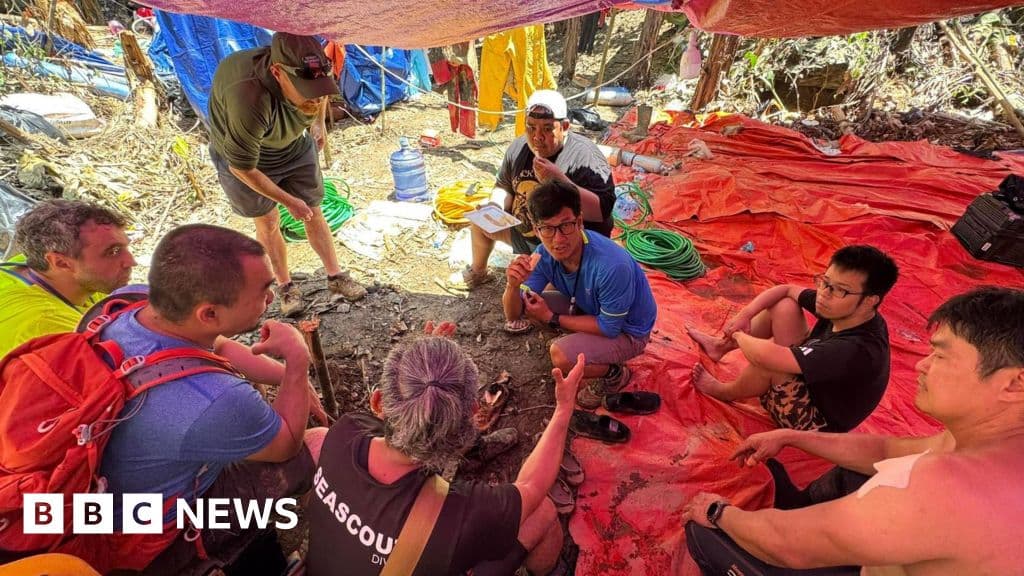
Survivors of the Laos cave rescue are aiding efforts to find the last two missing men trapped inside, sharing crucial insights for the search operation.
BBC World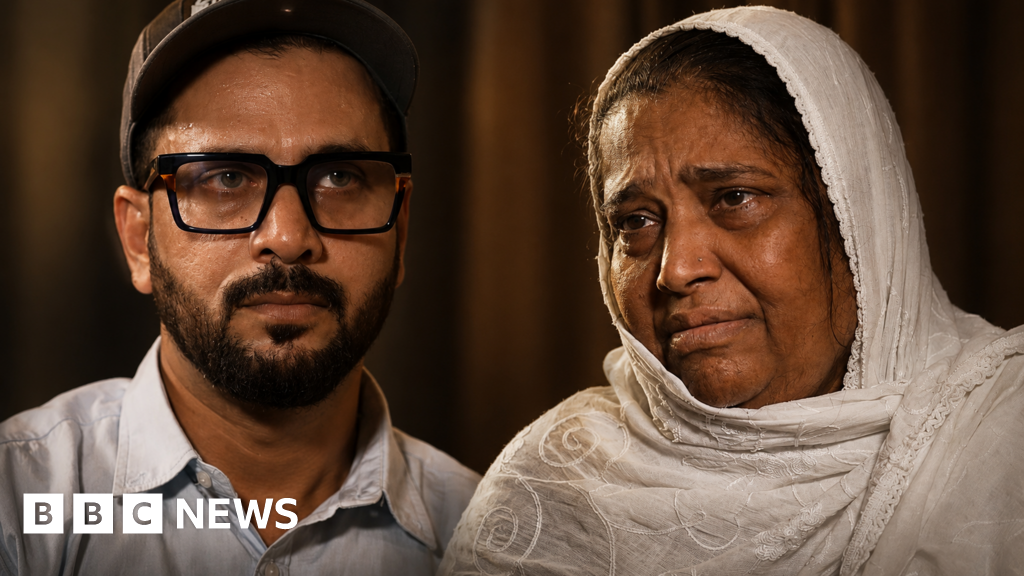
A year after the tragic Air India crash, the Ali family reflects on grief, unanswered questions, and the enduring bonds of love in the face of loss.
BBC Business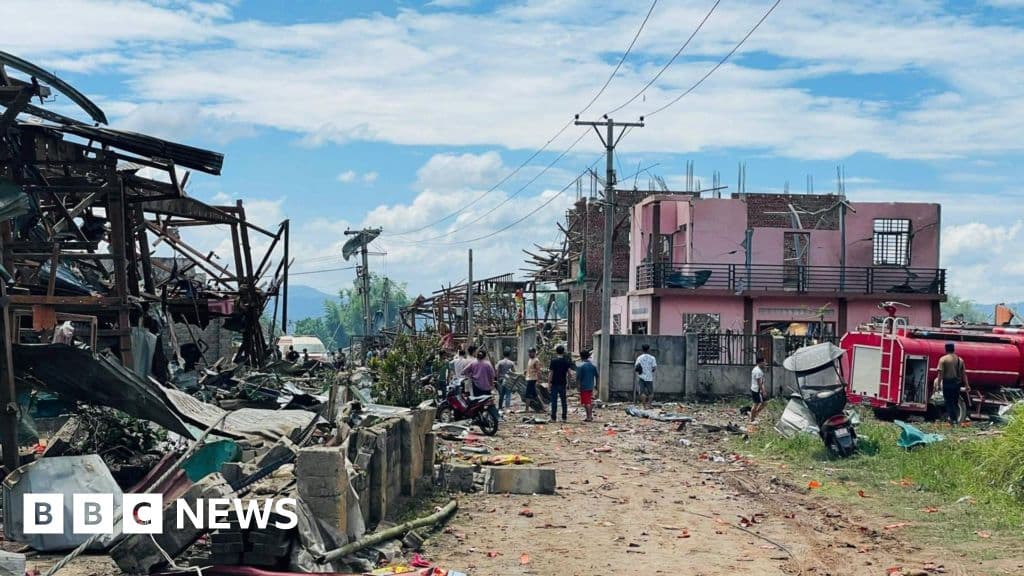
A devastating explosion in Myanmar's Kaung Tat village has killed at least 55 people, raising serious safety concerns and questions about civilian protection in conflict zones.
BBC World