
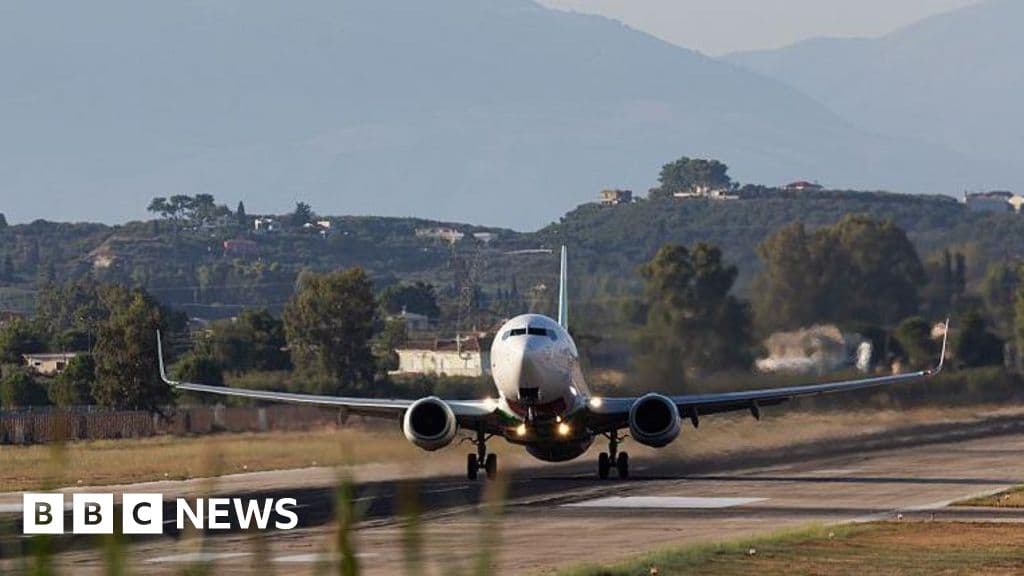
Image: BBC Business
With rising fuel costs, European airfares are set to increase. Discover what this means for travelers and the aviation industry moving forward.
GlipzoAir travelers in Europe are facing an unavoidable reality: higher ticket prices are on the horizon. Willie Walsh, the head of the International Air Transport Association (IATA), has made it clear that the soaring costs of jet fuel are the primary catalyst for this trend. Despite recent fare cuts by some airlines in response to decreased demand, Walsh asserts that these temporary reductions cannot maintain themselves against the backdrop of rising operational costs.
In a recent interview with the BBC, Walsh articulated his concerns about the potential for fuel shortages in the UK this summer, although he assured listeners that there is no immediate cause for alarm. He pointed out that even if the Strait of Hormuz were to reopen today, the repercussions of ongoing conflicts in the Middle East would likely linger and continue to impact fuel prices well into the next year.
The geopolitical situation in the Strait of Hormuz, a crucial passage for oil transport, has had significant repercussions on jet fuel prices. With Europe, especially the UK, heavily reliant on oil imports from this region, the disruptions have sparked widespread concern about the availability of fuel in the coming months.
In a statement earlier this week, Dan Jorgensen, the EU’s energy commissioner, expressed optimism about avoiding immediate fuel shortages while acknowledging potential long-term supply challenges. Meanwhile, Sebastien Ebel, CEO of the travel operator Tui, echoed this sentiment, assuring that he doesn't foresee severe shortages in the near future.
As summer approaches, the aviation industry typically experiences a surge in demand, with flight numbers and corresponding fuel requirements expected to increase by around 25% during the peak months of July and August compared to March. Walsh pointed out that this seasonal demand exacerbates the urgency of securing alternative fuel supplies to prevent shortages during the critical travel period.
Despite the troubling forecasts, Walsh expressed a cautious optimism that widespread flight cancellations can be avoided. He emphasized, “There’s no need to panic,” while recognizing the precarious nature of the current fuel supply landscape.
Amidst these challenges, the airline industry has witnessed some fluctuations in ticket prices. While the cost of long-haul flights has seen significant increases due to rising fuel prices, certain European carriers have been slashing fares to encourage hesitant travelers to book flights. This practice, however, is viewed as a temporary measure.
Walsh warned, “Airlines cannot absorb the additional costs indefinitely.” He predicts that while promotional discounts may stimulate travel in the short term, the relentless rise in oil prices will ultimately lead to higher ticket fares across the board.
The ongoing disruptions to crude oil availability and the damage to refining operations in the Gulf region mean that even a reopening of the Strait of Hormuz is unlikely to yield immediate relief in fuel prices. Walsh emphasized that the ramifications of these issues will likely persist for several months, potentially extending into the next year.
In response to the challenges, the UK government has reassured the public that fuel suppliers have adequate reserves to maintain operational resilience. They are collaborating with the aviation sector to ensure that flights continue to operate smoothly and are consulting on strategies to develop realistic flight schedules that mitigate last-minute disruptions and secure holiday plans for travelers.
The inevitability of rising airfares is significant for both travelers and the aviation industry at large. For passengers, understanding these dynamics will be essential for budgeting future travel plans. For airlines, adapting to fluctuating fuel costs and ensuring operational efficiency will be critical to maintaining profitability in a competitive market.
As we move forward, it will be important to monitor: - The stability of fuel prices - Changes in international relations affecting oil supply - The effectiveness of alternative fuel sourcing strategies
With these factors in play, travelers and industry stakeholders alike should remain vigilant and informed as the landscape of European air travel continues to evolve.
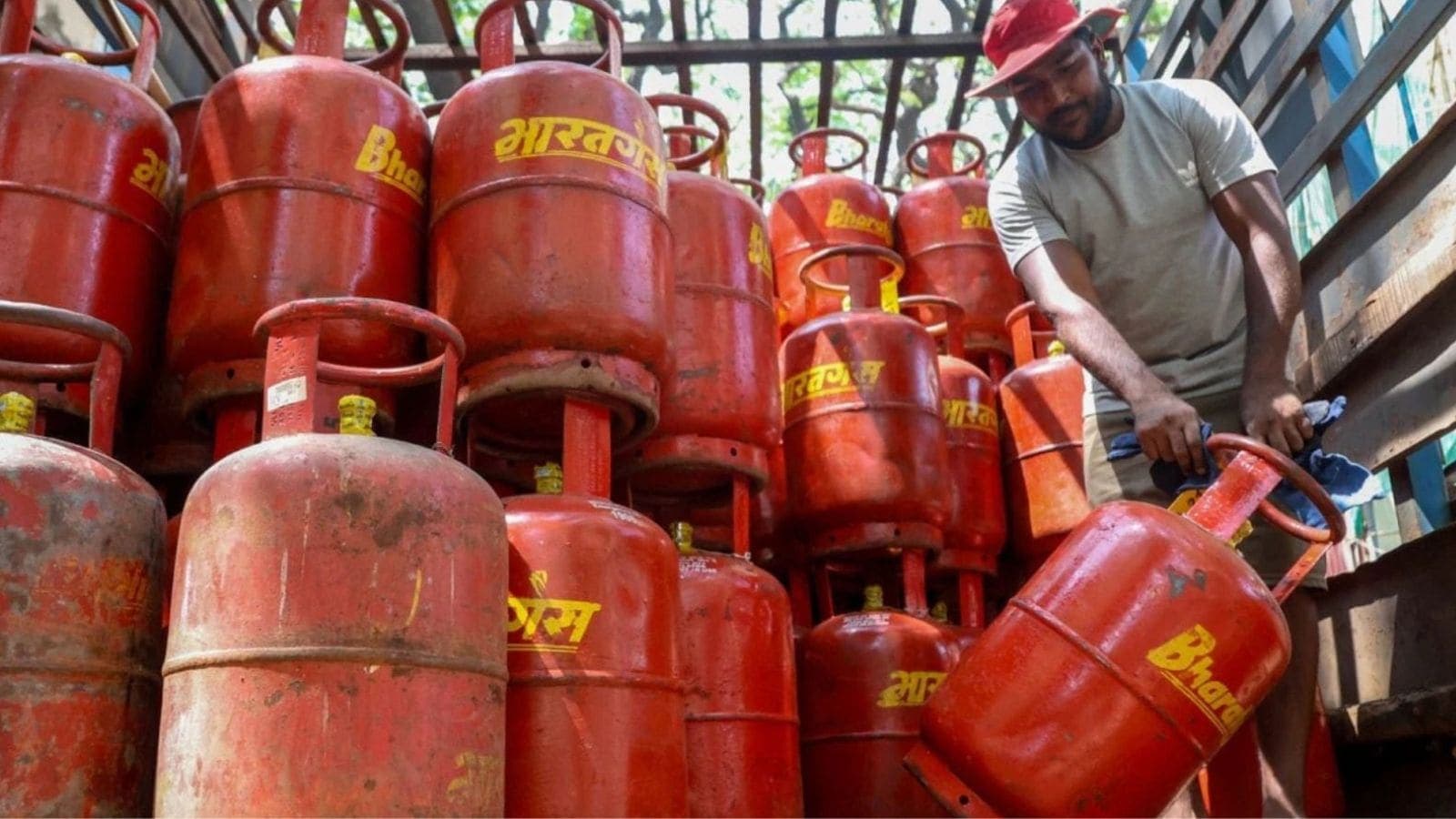
Commercial LPG prices have risen again, with increases of ₹42 in Delhi and ₹53.50 in Kolkata impacting businesses and consumers alike. Find out more.
Indian Express
Discover how a tragic coal mine explosion in Shanxi, China, reveals ongoing safety concerns in the industry amidst a push for green energy.
BBC Business
Montek Singh Ahluwalia highlights key economic challenges for India, emphasizing the need for a strategic approach to balance payments and investment.
Indian Express