

Image: Mint (Business)
IndiGo announces 28 flights to the Middle East on March 22 amid rising tensions with Iran. What does this mean for travelers and regional stability?
GlipzoIn a significant response to escalating tensions in the Middle East, IndiGo has announced the operation of 28 flights connecting India with key destinations in the region, including Dubai and Abu Dhabi. The announcement came on March 22, 2026, highlighting the airline's commitment to ensuring travel continuity even in challenging times.
IndiGo emphasized that the scheduled flights would be subject to "prevailing safety conditions and applicable regulations," as the conflict with Iran intensifies. The airline's proactive approach aims to facilitate travel for those needing to reunite with loved ones amidst the ongoing unrest.
In a statement, IndiGo reassured customers that their teams are working tirelessly to provide support during these tumultuous times. “At IndiGo, our teams continue to work round the clock to support customers and help reunite them with their loved ones amid the evolving situation in the Middle East,” the airline confirmed. This dedication to passenger safety is reflected in their operational decisions, which prioritize the well-being of both travelers and crew members.
Passengers are advised to stay informed about potential changes to flight schedules, which could occur on short notice. IndiGo has set up a dedicated contact center to assist travelers with inquiries or any assistance needed during this period. The airline remains committed to delivering a safe and seamless travel experience, adapting to the evolving situation as necessary.
IndiGo's operations on March 22 will encompass a range of flights to various destinations throughout the Middle East: - Dubai: Flights 6E 1453 and 6E 1454 (Mumbai-Dubai-Mumbai) - Abu Dhabi: Flights 6E 1401, 6E 1402, 6E 1405, and 6E 1406 (Mumbai-Abu Dhabi-Mumbai, Delhi-Abu Dhabi-Delhi) - Jeddah: Multiple flights including 6E 61, 6E 62, 6E 63, and others, covering routes from Mumbai, Delhi, Bengaluru, Kolkata, and Hyderabad - Medina: Flight 6E 59 (Mumbai-Medina) - Riyadh: Flights 6E 93, 6E 71, 6E 72, 6E 73, and 6E 74 (operating between Hyderabad, Delhi, and Mumbai) - Muscat: Flights 6E 1267, 6E 1268, and 6E 1271 (Mumbai-Muscat-Mumbai and Kochi-Muscat)
This comprehensive list showcases IndiGo's extensive network in the Middle East, reinforcing its role as a vital connector for passengers in the region.
The backdrop of this announcement is marked by increasing tensions between the United Arab Emirates (UAE) and Iran. Recent developments have seen the UAE ordering the closure of an Iranian state-linked hospital in Dubai amidst deteriorating diplomatic relations. This escalation follows a series of aerial attacks by Tehran on Gulf states, including over 2,000 strikes targeting the UAE since the U.S. and Israel initiated military action against Iran on February 28.
These hostilities have prompted a severe strain on diplomatic ties, leading Abu Dhabi to withdraw its ambassador from Iran and shutter its diplomatic mission there. The UAE has also cracked down on other Iranian-affiliated institutions, such as schools, despite the historically strong economic links between the two nations.
In a related development, the International Atomic Energy Agency (IAEA) reported that Iran informed them of an attack on the Natanz nuclear site, a crucial facility that has been at the center of international scrutiny regarding Iran’s nuclear ambitions. Fortunately, the IAEA noted that no increase in radiation levels had been detected outside the facility, alleviating immediate concerns.
IAEA Director General Rafael Mariano Grossi reiterated the need for military restraint to prevent potential nuclear accidents. He emphasized the importance of maintaining a careful approach amid rising tensions, stating, “IAEA Director General Rafael Mariano Grossi reiterates call for military restraint to avoid any risk of a nuclear accident.”
As the situation in the Middle East continues to evolve, several factors will likely influence future travel and diplomatic relations: - Passenger Safety: Ongoing assessments of safety conditions will dictate airline operations, with travel advisories likely to remain in place. - Diplomatic Relations: The deterioration of ties between the UAE and Iran may prompt further actions by both nations, affecting not only travel but regional stability. - International Responses: Observations from global powers regarding the conflict and nuclear developments will shape international reactions and potential interventions.
In conclusion, IndiGo's decision to operate flights amidst these complications highlights the airline's commitment to its passengers. As the conflict continues to unfold, travelers should stay updated on the situation and remain vigilant regarding travel plans.
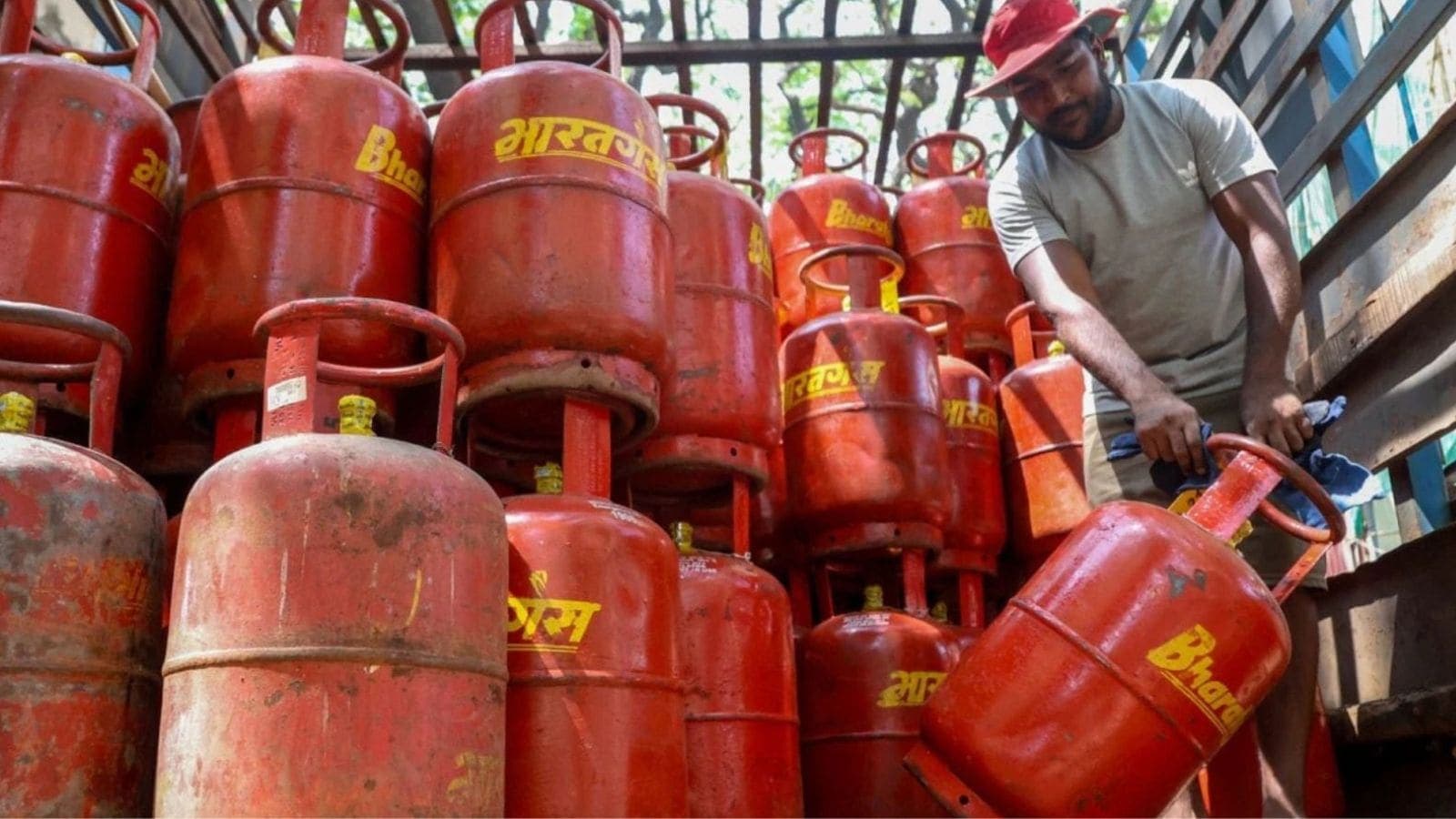
Commercial LPG prices have risen again, with increases of ₹42 in Delhi and ₹53.50 in Kolkata impacting businesses and consumers alike. Find out more.
Indian Express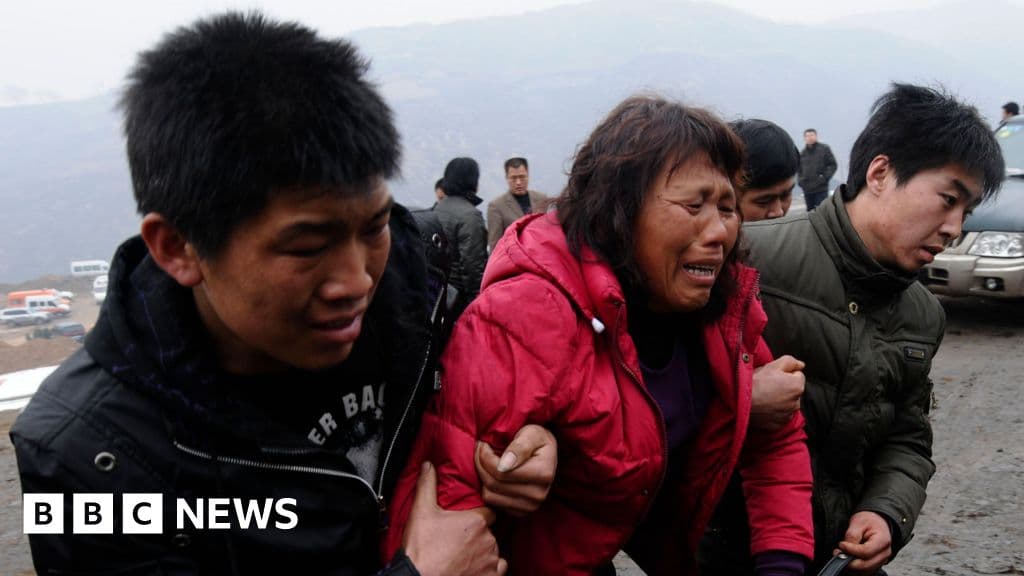
Discover how a tragic coal mine explosion in Shanxi, China, reveals ongoing safety concerns in the industry amidst a push for green energy.
BBC Business
Montek Singh Ahluwalia highlights key economic challenges for India, emphasizing the need for a strategic approach to balance payments and investment.
Indian Express