
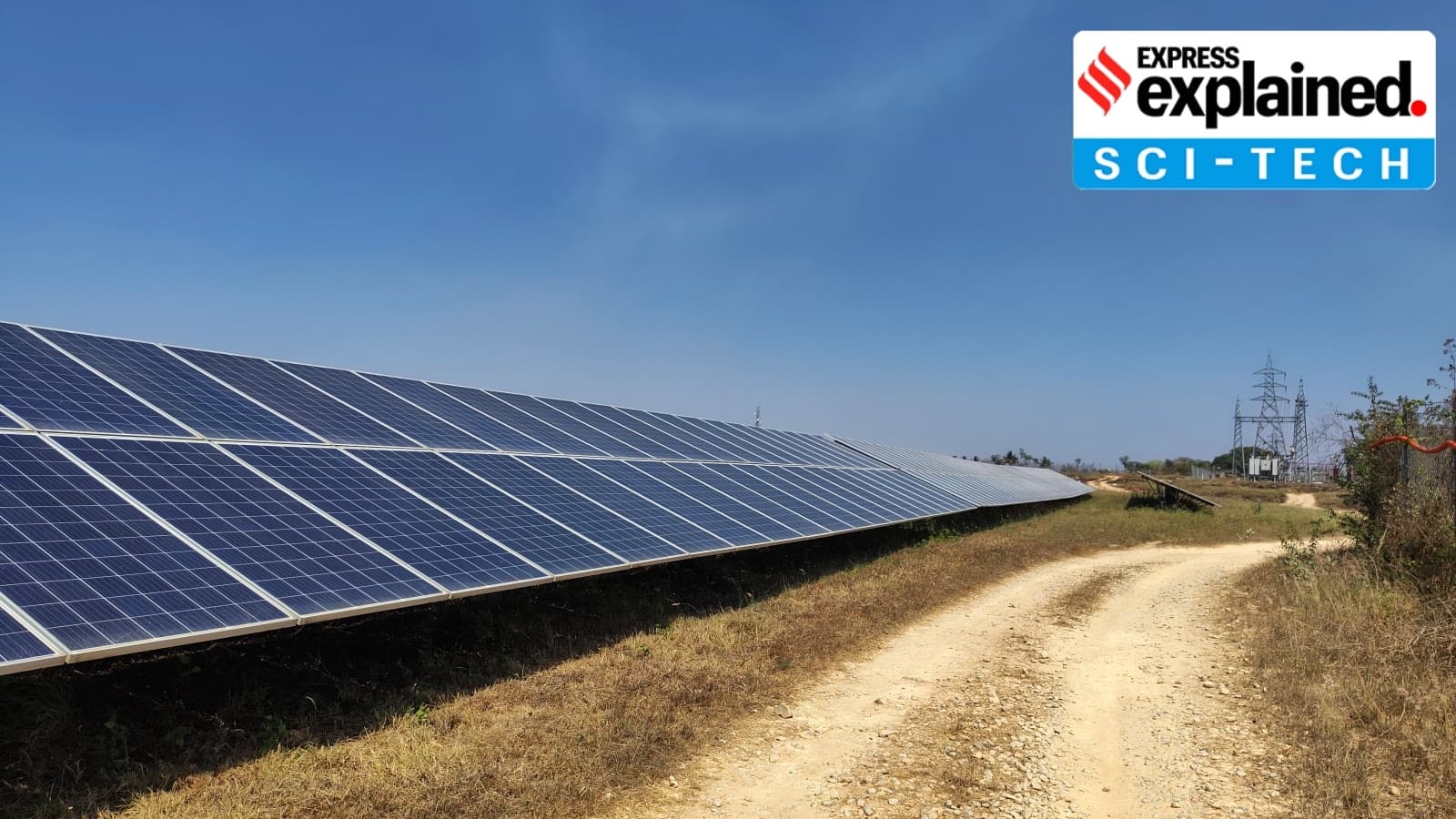
Image: Indian Express
India’s renewable energy sector is booming, but a critical need for energy storage solutions is emerging. Discover what’s at stake and how India plans to respond.
GlipzoAs India accelerates its transition to renewable energy to meet climate targets, the nation faces a critical challenge: the intermittent nature of renewable sources like solar and wind. While renewable energy accounts for 53% of India’s total power generation capacity, the mismatch between generation and demand underscores the urgent need for robust energy storage systems.
Renewable energy sources, particularly solar and wind, are inherently variable. Solar power generation ceases at night, while wind output can change drastically based on weather conditions. This inconsistency creates a growing disparity between energy production and consumption. India’s current installed power generation capacity stands at 532 GW, with 283 GW derived from renewable sources. Solar alone contributes over 150 GW, making it the predominant player in the renewable sector.
This situation poses significant risks to the stability of the electric grid. Without adequate energy storage solutions, the ability to efficiently manage and utilize renewable energy could be compromised, leading to potential blackouts and inefficiencies.
Energy storage technology plays a vital role in bridging the gap between renewable electricity generation and demand. These systems capture surplus energy produced during peak generation periods and release it during times of low production but high demand. The primary types of energy storage systems gaining traction globally include:
While these technologies are essential, India has not yet fully realized its potential in energy storage, leading to concerns about the future management of its renewable energy resources.
As of now, India’s installed BESS capacity is around 0.27 GW, while PHS capacity is approximately 7.2 GW. The government recognizes the need for significant enhancement in energy storage to align with the rapid expansion of renewable energy capacity. Plans are underway to elevate the nation’s total energy storage capacity to an ambitious 174 GW/888 GWh by 2035-36. This projection includes 80 GW/321 GWh of BESS and 94 GW/567 GWh of PHS.
The Central Electricity Authority (CEA) emphasizes that storage systems capable of lasting four to six hours will be crucial in integrating higher volumes of renewable energy into the grid beyond 2030. As India’s non-fossil fuel capacity is expected to grow from 283 GW to 786 GW by 2035-36, the demand for reliable energy storage solutions will only intensify.
The expansion of energy storage infrastructure is already in motion. Currently, 13,120 MW/78,720 MWh of PHS capacity is under construction, with an additional 9,580 MW/57,480 MWh awaiting construction approval. Moreover, nearly 75,000 MW of pumped storage projects are undergoing surveys and investigations.
On the BESS front, 10,658.94 MW/28,739.32 MWh of capacity is under construction, and projects totaling 22,347.15 MW/69,836.70 MWh are currently in the tendering phase. This rapid growth in the project pipeline indicates a strong commitment from the government and private sectors to develop and implement effective energy storage solutions.
The evolution of energy storage technology is crucial for India’s sustainable energy future. Efficient storage systems enable renewable energy to be utilized more effectively, mitigating the risks associated with supply and demand mismatches. This is not just a matter of energy efficiency; it is about ensuring energy security and fostering a resilient grid.
By investing in energy storage solutions, India can enhance its capability to harness renewable resources, thereby reducing its reliance on fossil fuels and contributing significantly to global climate goals. The path forward must involve collaboration between the government, private sector, and research institutions to innovate and deploy cutting-edge technologies.
As India moves toward its ambitious renewable energy targets, stakeholders must prioritize the development of comprehensive energy storage systems. The next decade will be pivotal in determining how effectively the country can integrate renewables into its energy mix, ensuring a sustainable and reliable energy future for all.
Looking ahead, the focus should be on several key areas: - Investment in Research and Development: To foster innovation in energy storage technologies. - Policy Frameworks: Establishing supportive regulations to encourage private sector participation in energy storage projects. - Public Awareness: Educating consumers and industries about the benefits and importance of energy storage solutions.
With these strategies, India can confidently navigate the challenges and opportunities presented by its renewable energy ambitions, ensuring a cleaner, greener future for generations to come.
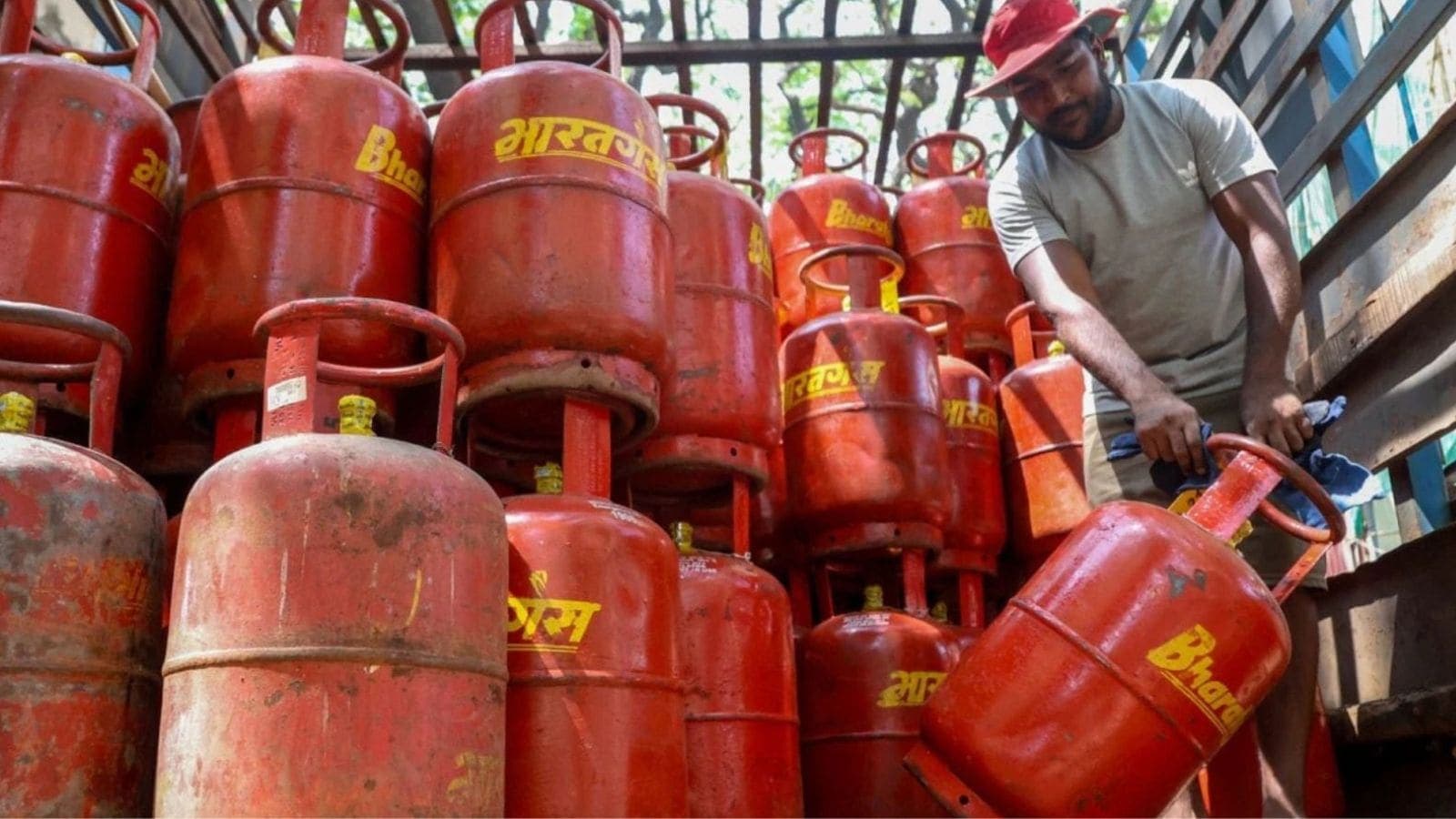
Commercial LPG prices have risen again, with increases of ₹42 in Delhi and ₹53.50 in Kolkata impacting businesses and consumers alike. Find out more.
Indian Express
Discover how a tragic coal mine explosion in Shanxi, China, reveals ongoing safety concerns in the industry amidst a push for green energy.
BBC Business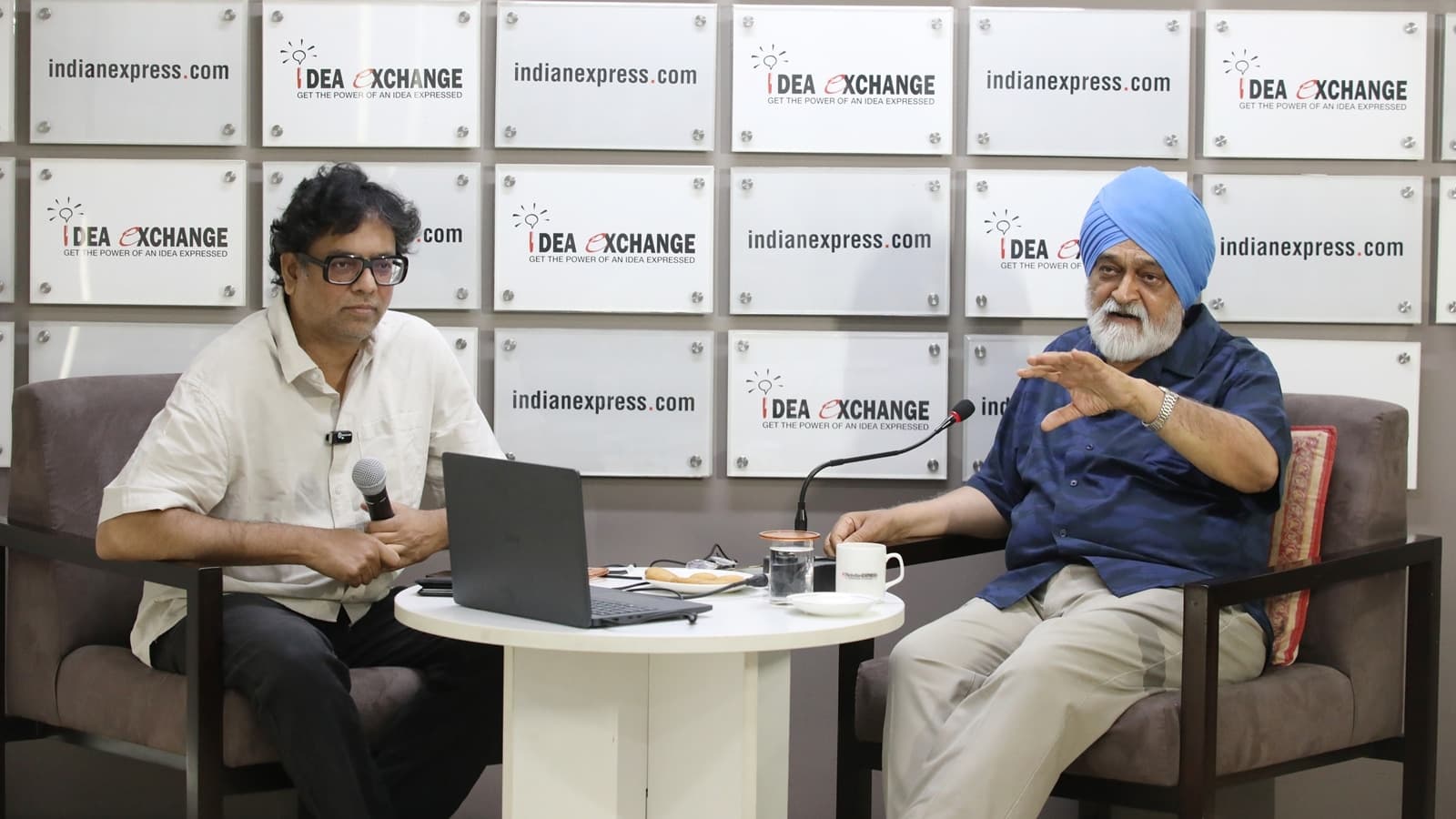
Montek Singh Ahluwalia highlights key economic challenges for India, emphasizing the need for a strategic approach to balance payments and investment.
Indian Express