

Image: Times of India
India secures vital oil and LPG supplies as two tankers cross the Strait of Hormuz. Learn about the implications for energy security and market dynamics.
GlipzoIn an important development for India's energy security, two more tankers are set to traverse the Strait of Hormuz, a critical maritime route for global oil transportation. This move is particularly significant given the ongoing geopolitical tensions in the region, which have raised concerns over the stability of energy supplies to India. Scheduled to arrive soon, these tankers carry not only crude oil but also liquefied petroleum gas (LPG), essential for domestic consumption.
The arrival of these vessels comes at a vital time when India is working to maintain a steady flow of energy resources to support its burgeoning economy. With the demand for energy escalating, ensuring an uninterrupted supply chain is more crucial than ever. The two tankers are expected to dock at Indian ports in the next few days, further solidifying India's position as a key player in the global energy market.
The Strait of Hormuz is a narrow waterway that connects the Persian Gulf to the Arabian Sea, and it is one of the world's most significant chokepoints for oil transportation. Approximately 20% of the global oil consumption passes through this strait. Given its strategic importance, any disruptions in this region can have immediate and far-reaching implications for oil prices and global supply chains.
India, being one of the largest importers of crude oil, heavily relies on this route to meet its energy needs. The current geopolitical landscape, characterized by rising tensions between various nations, has made it imperative for India to secure its oil and gas supplies proactively.
India's energy consumption has witnessed a dramatic rise in recent years, driven by industrial growth and increasing urbanization. As a result, the country has become more dependent on imports to cater to its energy requirements. Here are some key points to consider:
In the wake of the pandemic and global economic shifts, energy supply chains have faced unprecedented challenges. India has taken significant steps to address these issues:
With the arrival of the two tankers, India's energy landscape is poised for further stability in the face of external challenges. However, several factors will influence the future dynamics of India's energy supply:
The situation surrounding India's oil and LPG supplies is not merely an economic issue but a matter of national security. As the world's third-largest oil consumer, India's ability to secure its energy needs will significantly influence its economic growth trajectory and geopolitical standing. Ensuring stable and diversified energy supplies will be pivotal for India as it aims to achieve greater energy independence and sustainability.
As these developments unfold, stakeholders will be closely monitoring the implications for both the domestic market and international relations. The arrival of these tankers may offer a temporary respite, but the long-term strategy will require careful planning and execution to navigate the complexities of the global energy landscape.
In conclusion, India's proactive measures to secure its oil and LPG supplies through the Strait of Hormuz underscore the importance of this strategic route in maintaining its energy security. As the country continues to adapt to the evolving global energy dynamics, the focus will be on fostering sustainable and resilient supply chains that can withstand future challenges.
Looking ahead, industry experts will keep an eye on the geopolitical climate in the Middle East and the implications for energy prices and availability. With the increasing global demand for energy, India’s actions today will play a crucial role in shaping its economic future and its standing on the world stage.
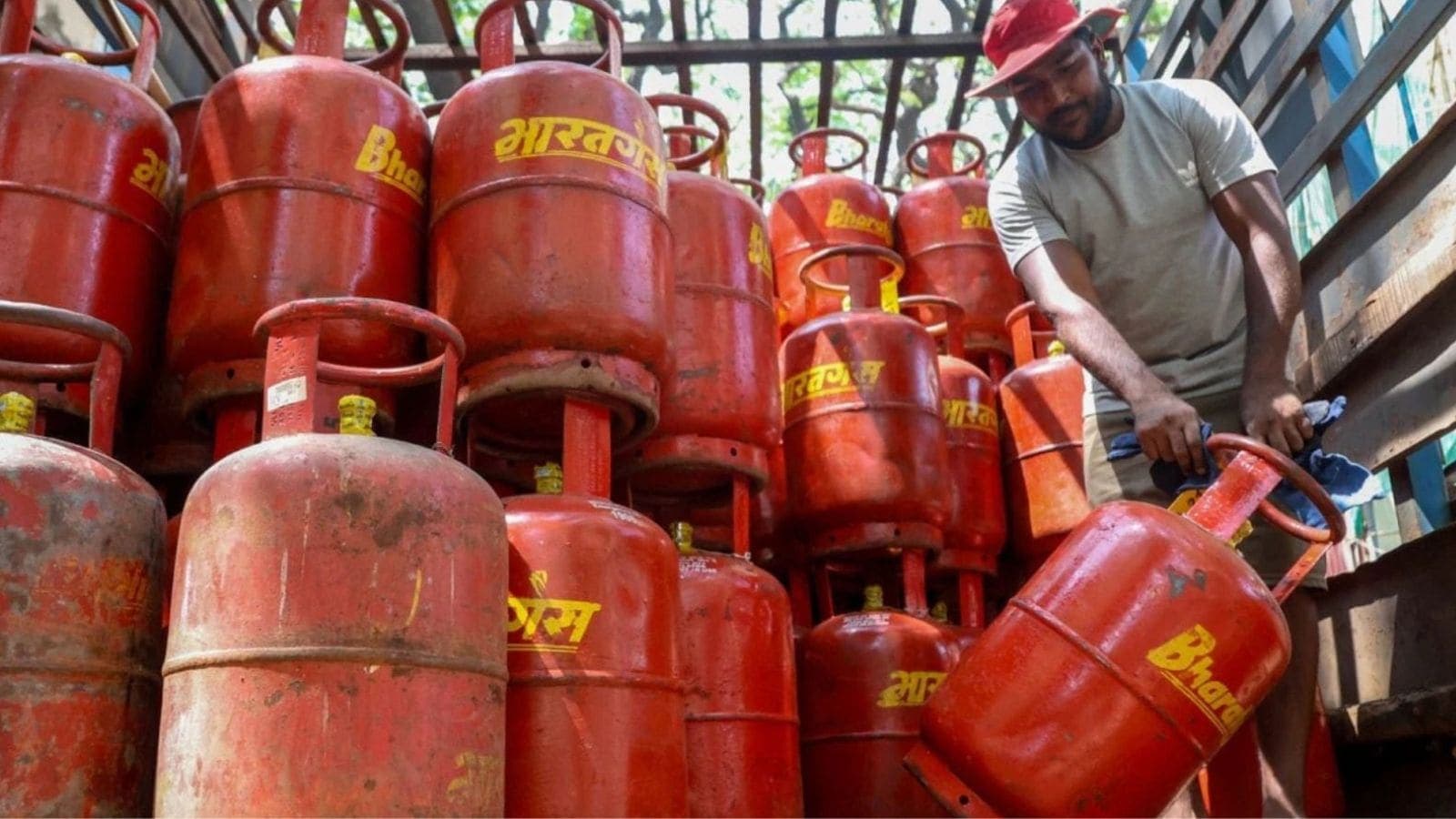
Commercial LPG prices have risen again, with increases of ₹42 in Delhi and ₹53.50 in Kolkata impacting businesses and consumers alike. Find out more.
Indian Express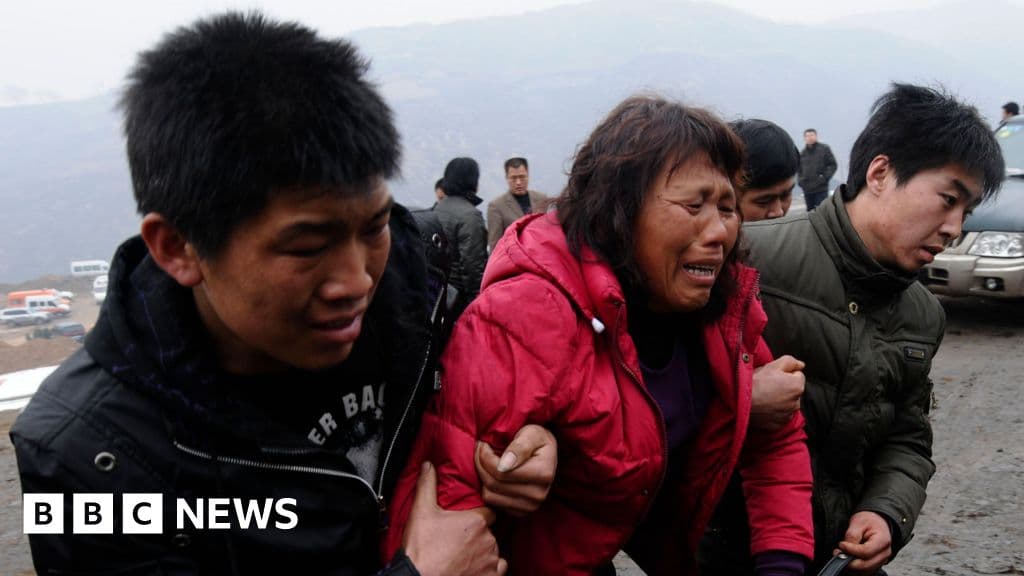
Discover how a tragic coal mine explosion in Shanxi, China, reveals ongoing safety concerns in the industry amidst a push for green energy.
BBC Business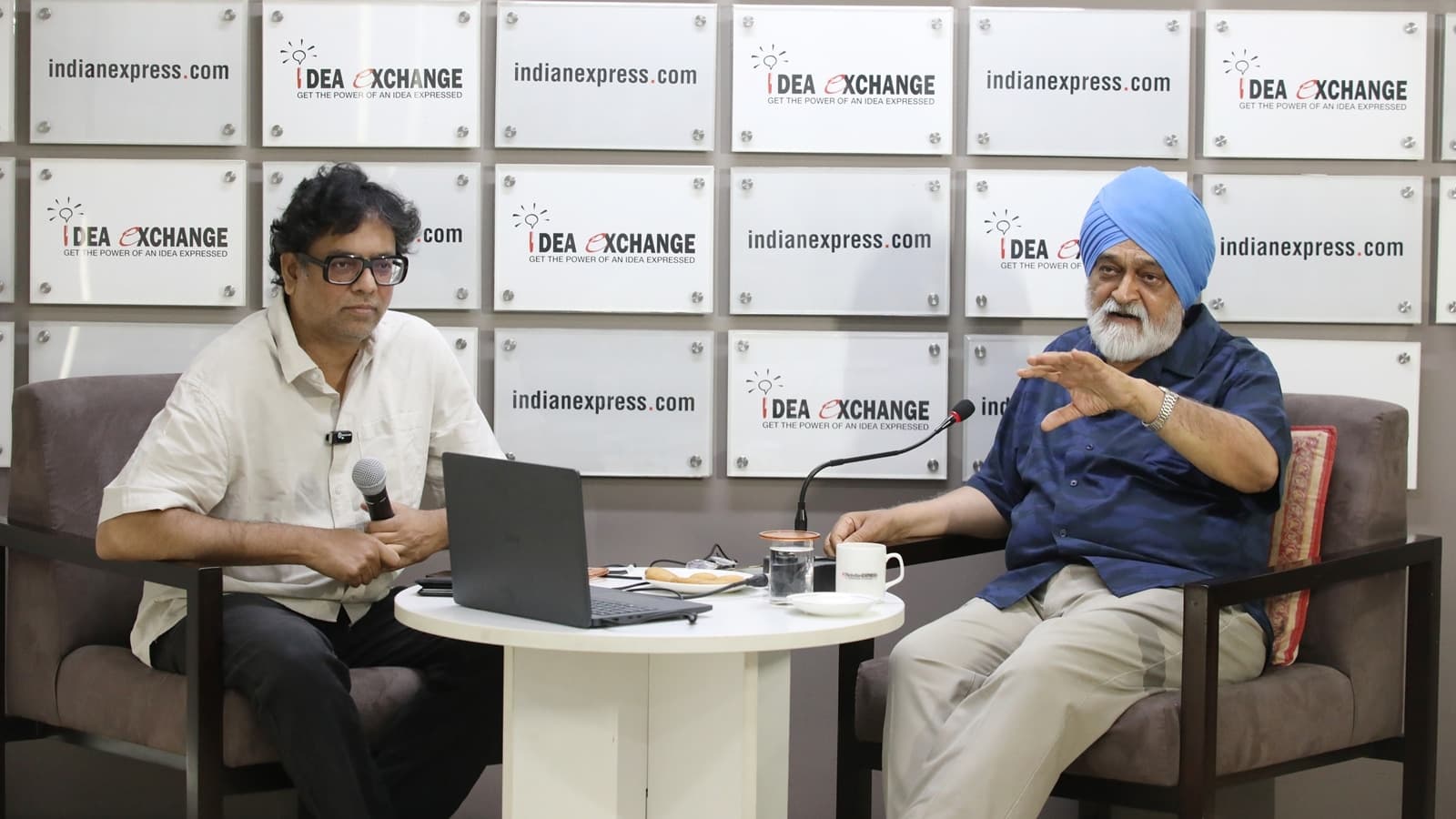
Montek Singh Ahluwalia highlights key economic challenges for India, emphasizing the need for a strategic approach to balance payments and investment.
Indian Express