Discover how India can transform its Buddhist heritage into a thriving economic sector while promoting peace and spirituality globally.
A Call to Action on Buddha Purnima
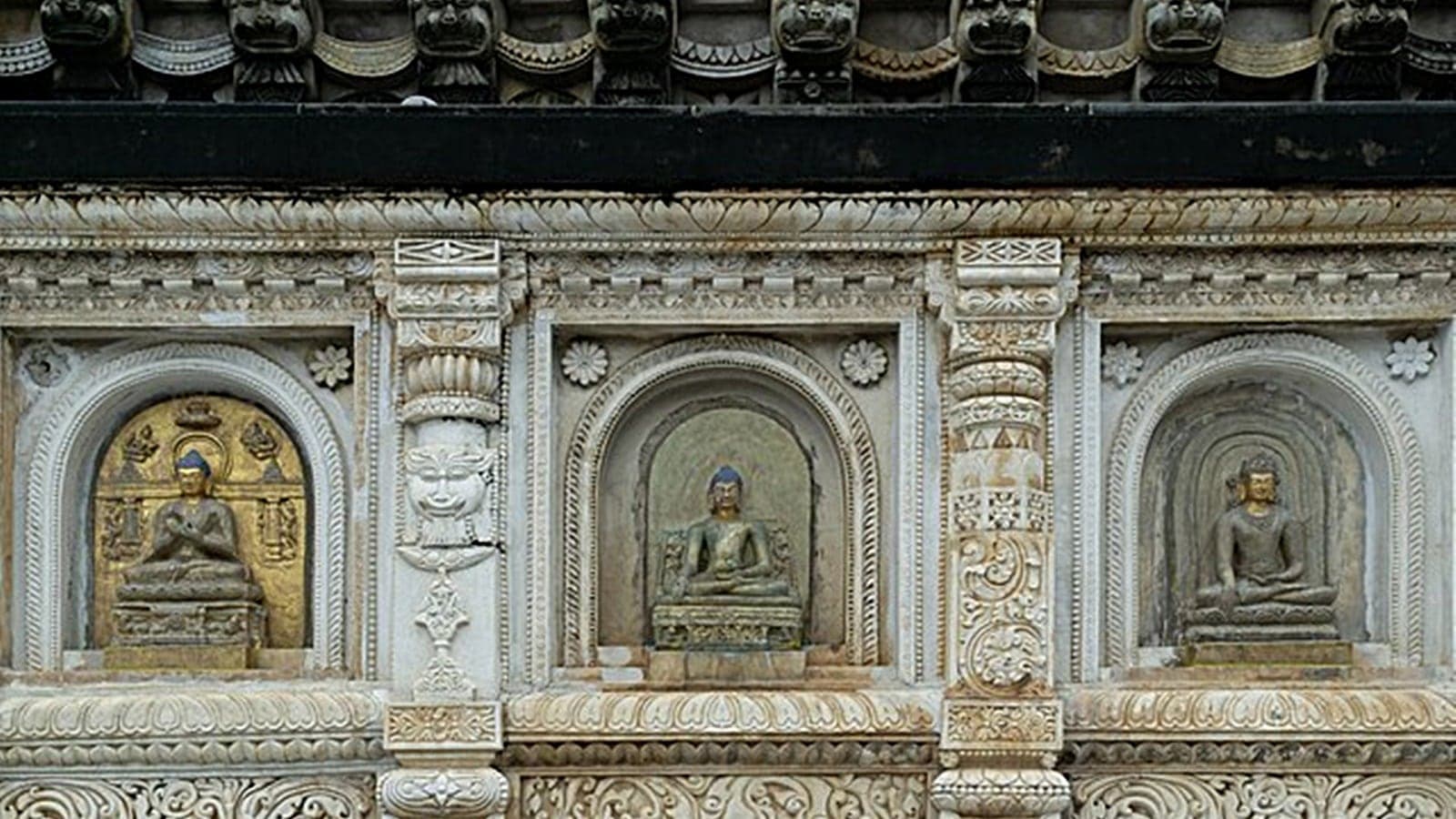
On **Buddha Purnima**, India will once again honor the Buddha, symbolizing compassion and peace. However, this tribute must evolve beyond mere rhetoric. The nation, recognized for its sacred sites like **Bodh Gaya**, **Sarnath**, and **Kushinagar**, often views its rich Buddhist heritage as a collection of individual destinations rather than a unified national initiative. Although the Buddha originated in **Lumbini**, which is now in **Nepal**, the essence of Buddhism—its enlightenment at Bodh Gaya, first teachings at Sarnath, and ultimate passing at Kushinagar—are deeply embedded in Indian soil. If India aspires to genuine civilizational leadership, it must translate its appreciation for Buddhism into real, actionable steps.
The Philosophical Foundations of Buddhism
At its core, Buddhism emphasizes direct experience over traditional dogma. The **Kalama Sutta** famously encourages individuals to evaluate teachings based on personal reasoning and observation. For pilgrims traversing the very grounds where these teachings originated, it symbolizes a significant act of civilizational remembrance. **India** bears the responsibility of fully honoring this heritage—not just for its cultural importance but also for the economic benefits it can yield.
In 2024, India welcomed 99.5 lakh foreign tourists, with the tourism sector playing a pivotal role in the economy. Official data from the Ministry of Tourism reveals that foreign visitors spent an average of ₹2.9 lakh each in 2023, not including international travel costs. This sector is crucial, supporting approximately 84.63 lakh jobs and contributing 5.22% to the nation’s GDP. Notably, Buddhist sites accounted for around 6% of all foreign tourist arrivals, indicating that this segment of tourism is not only substantial but also underappreciated and ripe for development.
Tapping into a High-Value Spiritual Market
The potential for growth in Buddhist tourism is significant. In **2024**, **7.3 lakh** tourists from four countries—**Sri Lanka**, **Japan**, **Thailand**, and **South Korea**—visited India, drawn by the spiritual significance of places like Bodh Gaya. These are not just casual tourists; they are pilgrims deeply connected to their heritage.
- For **Japanese** visitors, Bodh Gaya is intertwined with **Zen** and **Pure Land** traditions.
- **Sri Lankan** pilgrims honor their roots through the **Mahavamsa**, and the sacred **Bodhi tree** sapling brought to them by **Ashoka’s daughter**, **Sanghamitta**.
- **Thai** and **Korean** visitors derive their **Theravada** traditions from this land.
With hundreds of millions of Buddhists worldwide, even a modest influx of pilgrims could yield transformative results for Indian tourism. The demand is evident, yet the challenge lies in strategic planning and infrastructure development to meet that demand effectively.
Moreover, the Union Budget 2026-27 introduced a comprehensive Buddhist circuit scheme for the Northeast and aims to provide world-class training for 10,000 tour guides. However, the Buddhist heartland requires a more focused institutional approach. With a BJP government in Uttar Pradesh and an NDA majority in Bihar, the political landscape is favorable for collaborative efforts.
The Need for a Dedicated Authority
This is the perfect opportunity to establish a **Buddhist Heritage and Pilgrimage Development Authority**. Such an entity could coordinate efforts between the central and state governments, addressing critical areas such as:
- Land management
- Conservation efforts
- Transportation infrastructure
- Hospitality services
- Visitor management and destination branding
Addressing Accessibility Issues
One of the primary obstacles to unlocking the full potential of Buddhist tourism is accessibility. **Gaya Airport**, the main gateway to Bodh Gaya, faces capacity constraints. The **Airports Authority of India** has plans to acquire an additional **100 acres** to accommodate runway expansion, which is vital for handling increased tourist traffic.
By embracing its rich Buddhist heritage, India has the opportunity not only to enhance its tourism industry but also to strengthen its cultural identity and leadership in the global arena. The time for action is now, as the world looks to India to lead in promoting compassion and peace through its rich historical and spiritual legacy.