India's Supreme Court permits passive euthanasia for Harish Rana, marking a historic decision on end-of-life care and patient dignity in the country.
Landmark Supreme Court Decision on Passive Euthanasia
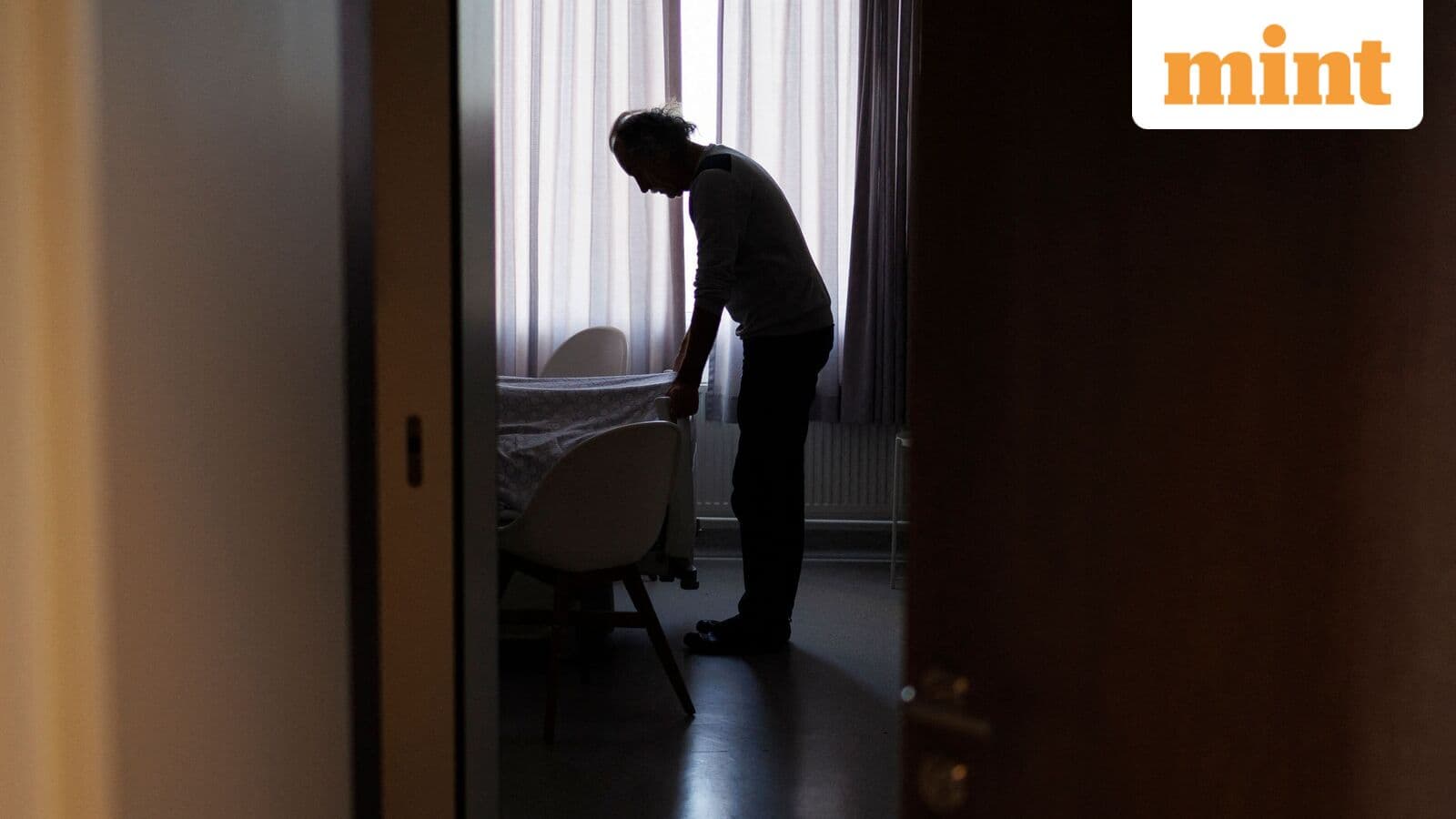
On **March 11, 2026**, India's Supreme Court made a historic decision regarding passive euthanasia, allowing the parents of **Harish Rana** to withdraw life-sustaining treatment for their son, who had been in a persistent vegetative state for **13 years**. This ruling not only marked a significant moment in Indian jurisprudence but also highlighted the ethical complexities surrounding end-of-life care.
Harish Rana, now 32 years old, has been unable to interact meaningfully with his environment since August 2013, when a tragic fall from a building left him with severe brain injuries. His family has endured tremendous emotional and financial strain, caring for him at home and managing extensive medical treatments, including multiple hospitalizations. In their relentless pursuit of dignity for their son, they even sold their house to pay for his care, as reported by the Free Press Journal.
Supreme Court's Compassionate Ruling
In a ruling delivered by Justices **JB Pardiwala** and **KV Viswanathan**, the Supreme Court acknowledged the emotional toll on Rana's family, noting, "To love someone is to care for them even in the darkest times." The court emphasized that the pivotal issue was not merely whether death was in the best interest of the patient, but rather whether the continuation of life-sustaining treatment genuinely served that interest.
This landmark decision builds upon the principles outlined in the Common Cause v. Union of India case, which recognized the right to die with dignity under Article 21 of the Constitution. The court directed that the process of passive euthanasia should be conducted respectfully, waiving the previously mandated 30-day reconsideration period to expedite the process for the Rana family.
The Evolution of Euthanasia Laws in India
India's legal framework currently allows for passive euthanasia, which involves the withdrawal of life support, but it strictly prohibits active euthanasia, where direct actions are taken to end a life. The ruling in the Harish Rana case is significant as it represents the first application of guidelines established in the **2018** Supreme Court decision, which were later updated in **January 2023**. This decision highlights a gap of **eight years** between the legal recognition of passive euthanasia and its practical implementation.
The journey to this ruling has been fraught with challenges. Initially, the Delhi High Court denied a request for passive euthanasia in 2024, arguing that Harish could maintain basic bodily functions. However, the Supreme Court overturned this reasoning, asserting that clinically assisted nutrition qualifies as medical treatment that can be withdrawn.
Global Perspective on Euthanasia Laws
India's stance on euthanasia places it among conservative nations regarding end-of-life legislation. While passive euthanasia is permitted under strict judicial oversight, active euthanasia remains illegal. In contrast, **active euthanasia** is legalized in several countries, such as **Belgium**, **Canada**, **Colombia**, **Ecuador**, **Luxembourg**, **the Netherlands**, **New Zealand**, **Portugal**, **Spain**, and across all six states in **Australia**.
These countries allow not only for the withdrawal of treatment but also for physicians to administer lethal substances to end a patient's life. The Netherlands and Belgium are particularly notable for their permissive euthanasia laws, reflecting a broader acceptance of patients' rights to choose the timing and manner of their deaths.
Ethical Considerations and Future Implications
The ruling in the Harish Rana case opens the door for future discussions on euthanasia and end-of-life care in India. It raises critical ethical questions about patient autonomy, dignity, and the role of family in making life-ending decisions. As the legal landscape evolves, it is essential to consider the implications of such decisions on society as a whole.
The Supreme Court's decision might encourage more individuals and families to seek clarity on the options available at the end of life, potentially leading to further legal reforms in the future. The case underscores the need for compassionate considerations in the healthcare system, as well as the importance of having robust legal frameworks to support patients and their families in such sensitive situations.
Conclusion
The **Supreme Court's** ruling allowing passive euthanasia for Harish Rana is a monumental step toward recognizing the rights of individuals to die with dignity in India. While the country still grapples with the complexities of active euthanasia, this decision signifies progress in addressing the ethical and legal challenges surrounding end-of-life care. As society continues to evolve, the implications of this ruling will undoubtedly shape future discussions and policies regarding euthanasia in India.
Key Takeaways
- India's Supreme Court allowed passive euthanasia for Harish Rana after 13 years in a vegetative state.
- The ruling emphasizes patient dignity and family rights in end-of-life decisions.
- Active euthanasia remains illegal in India, contrasting with several countries where it is permitted.
- The case marks the first application of updated guidelines from the **2018** Supreme Court decision.
- Discussions on euthanasia ethics are likely to increase following this landmark ruling.
Keywords
- passive euthanasia
- Harish Rana
- Supreme Court
- end-of-life care
- dignity in dying
Highlights
- Landmark ruling on passive euthanasia for Harish Rana.
- Supreme Court emphasizes dignity and family rights.
- Active euthanasia still illegal in India.
- First application of **2018** guidelines on euthanasia.
- Ethical discussions on euthanasia are likely to increase.