

Image: Indian Express
Discover the groundbreaking India-New Zealand FTA, marking India's first women-led trade agreement, boosting exports, and protecting farmers' interests.
GlipzoOn Monday, India and New Zealand formalized a Free Trade Agreement (FTA) that marks a significant turning point in India’s global trade relationships. This agreement showcases Prime Minister Narendra Modi’s vision of creating sustainable economic partnerships that yield real benefits for key demographics, including farmers, women, youth, and industries that generate employment. The FTA signifies India’s ongoing efforts to engage with developed economies, following previous landmark agreements with the United Kingdom and the European Union.
The essence of this trade pact lies in its potential to enhance India’s export capabilities. New Zealand has pledged to immediately eliminate tariffs on all Indian products, a move that dismantles a critical barrier in a market where Indian exports previously faced duties averaging 10%. This significant reduction is poised to propel several labor-intensive sectors that are vital to India’s economy.
The sectors that stand to benefit from this agreement include: - Garments and textiles - Footwear and accessories - Automotive components - Gems and jewelry - Machinery and tools - Handicrafts
These industries are essential to the Micro, Small, and Medium Enterprises (MSME) ecosystem in India. By eliminating tariffs, exporters will gain a competitive edge, leading to increased exports and ultimately fostering job creation across various manufacturing hubs, artisan communities, and small businesses.
The agreement reflects a broader vision that has characterized India’s trade policy since 2014. Under Modi’s administration, trade is viewed not merely as a means of economic growth but as a powerful tool for empowerment and inclusivity—benefiting farmers, workers, women, youth, and marginalized groups.
A remarkable aspect of this FTA is that it is India’s first women-led trade agreement. The negotiating team was predominantly female, including the chief negotiator, deputy chief negotiator, and the Indian ambassador to New Zealand. This achievement underscores the Modi government’s commitment to enhancing women’s roles in governance and decision-making, illustrating the concept of nari shakti as a catalyst for national progress.
The inclusion of women in such significant roles reflects a cultural shift towards recognizing the importance of gender diversity in leadership, which is increasingly seen as crucial to fostering equitable growth.
The FTA has been designed with a keen focus on agricultural productivity. New Zealand will assist India through agricultural productivity action plans targeting products like kiwis, apples, and honey. This collaboration will encompass: - Improved planting materials - Research partnerships - Capacity building for farmers - Enhanced post-harvest management - Food safety protocols - Establishment of centers of excellence
These initiatives will elevate production standards and quality, ultimately benefiting farmers and increasing their profitability.
Importantly, India has also safeguarded its essential agricultural interests within the agreement. Sensitive products such as dairy, certain vegetables, and oils are excluded from tariff concessions, ensuring that domestic farmers remain shielded from potentially disruptive foreign competition. This strategic approach highlights India’s commitment to protecting its agricultural sector in all trade negotiations.
A notable feature of the India-New Zealand FTA is its commitment to enhanced mobility for students and skilled professionals. This agreement introduces a structured framework that will allow Indian students greater access to educational opportunities in New Zealand, marking a first in bilateral trade agreements. Key highlights include: - No numerical limitations on the number of Indian students - Permission for students to work a minimum of 20 hours per week during their studies - Post-study work rights extending up to three years for STEM graduates and four years for doctoral candidates
Additionally, the agreement provides a Temporary Employment Entry Visa pathway for up to 5,000 Indian professionals, allowing them to stay for up to three years in sectors such as IT, engineering, and healthcare. This opens up new avenues for professional growth and international experience for Indian youth.
The India-New Zealand FTA represents more than just a trade agreement; it embodies a strategic shift in how India engages with the global economy. By prioritizing inclusivity and sustainability, the agreement aims to create a robust framework that benefits all stakeholders involved—from farmers to young professionals.
As India continues to seek partnerships with developed nations, this FTA could serve as a model for future agreements, emphasizing the importance of gender inclusion and safeguarding local interests while fostering economic growth. Moving forward, it will be crucial to monitor the implementation of this agreement and its impact on Indian industries, employment rates, and agricultural productivity.
In conclusion, the success of this FTA could pave the way for more inclusive and beneficial international trade agreements, reinforcing India’s position in the global market while supporting its domestic economy and workforce.
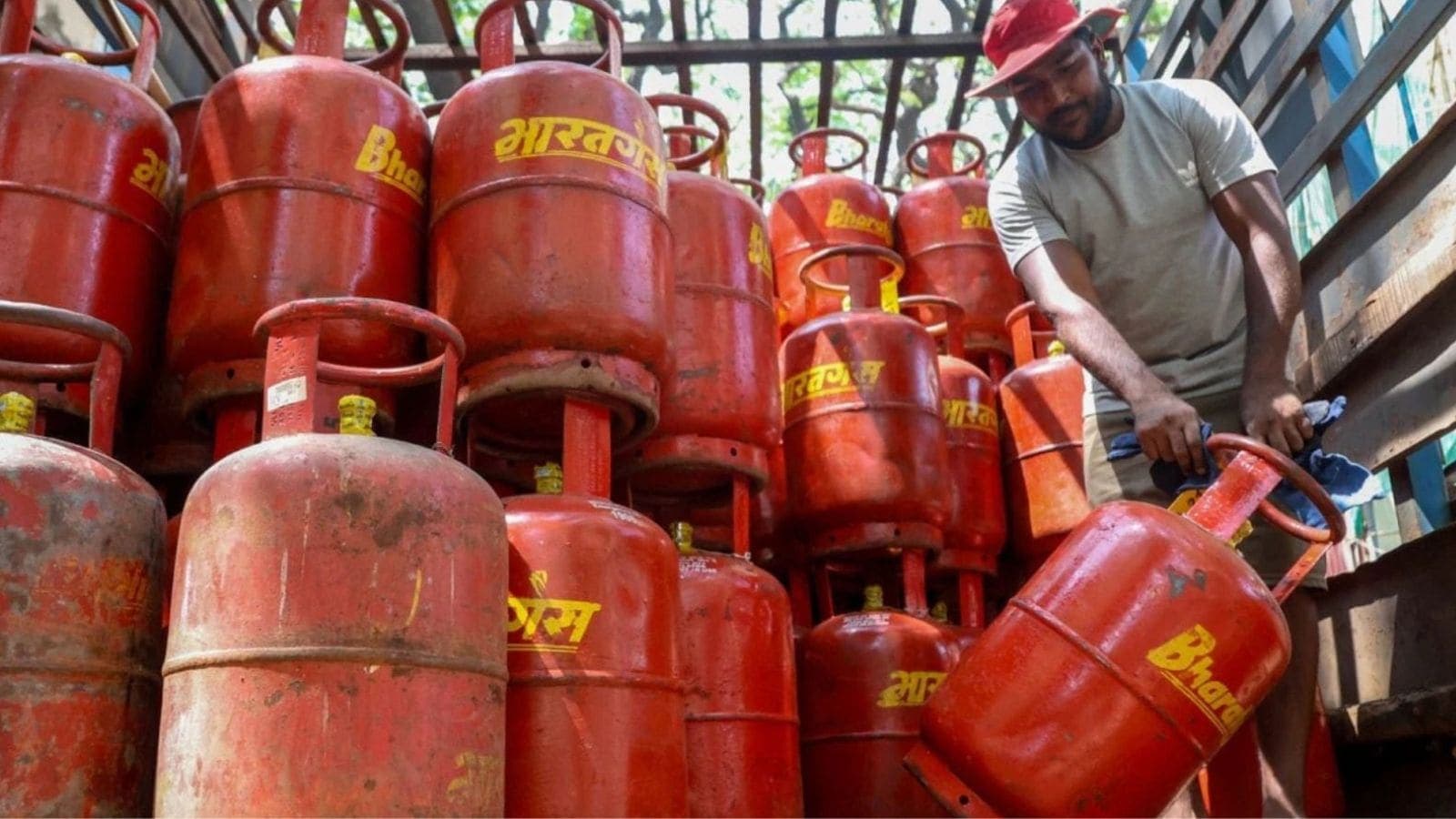
Commercial LPG prices have risen again, with increases of ₹42 in Delhi and ₹53.50 in Kolkata impacting businesses and consumers alike. Find out more.
Indian Express
Discover how a tragic coal mine explosion in Shanxi, China, reveals ongoing safety concerns in the industry amidst a push for green energy.
BBC Business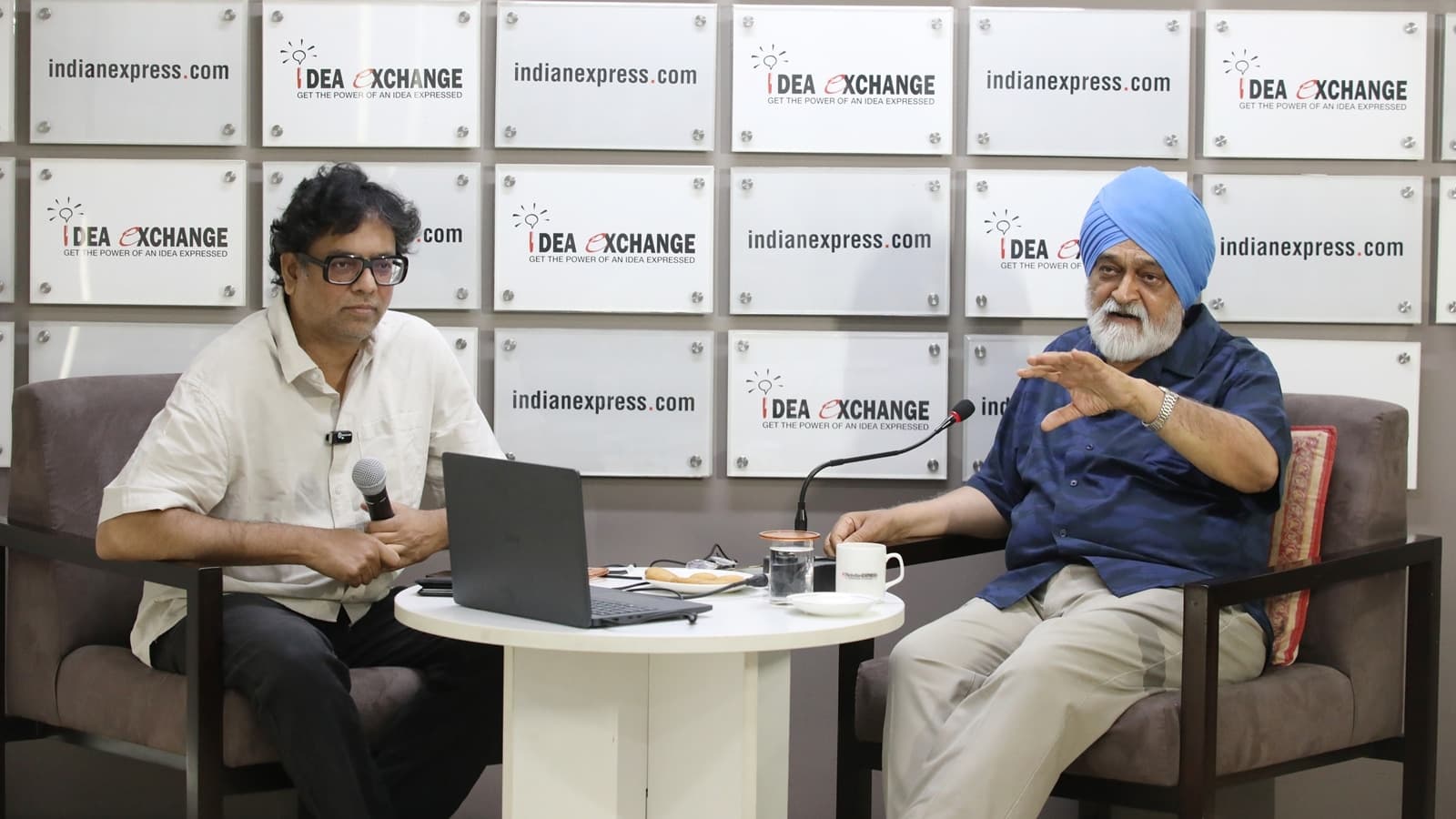
Montek Singh Ahluwalia highlights key economic challenges for India, emphasizing the need for a strategic approach to balance payments and investment.
Indian Express