
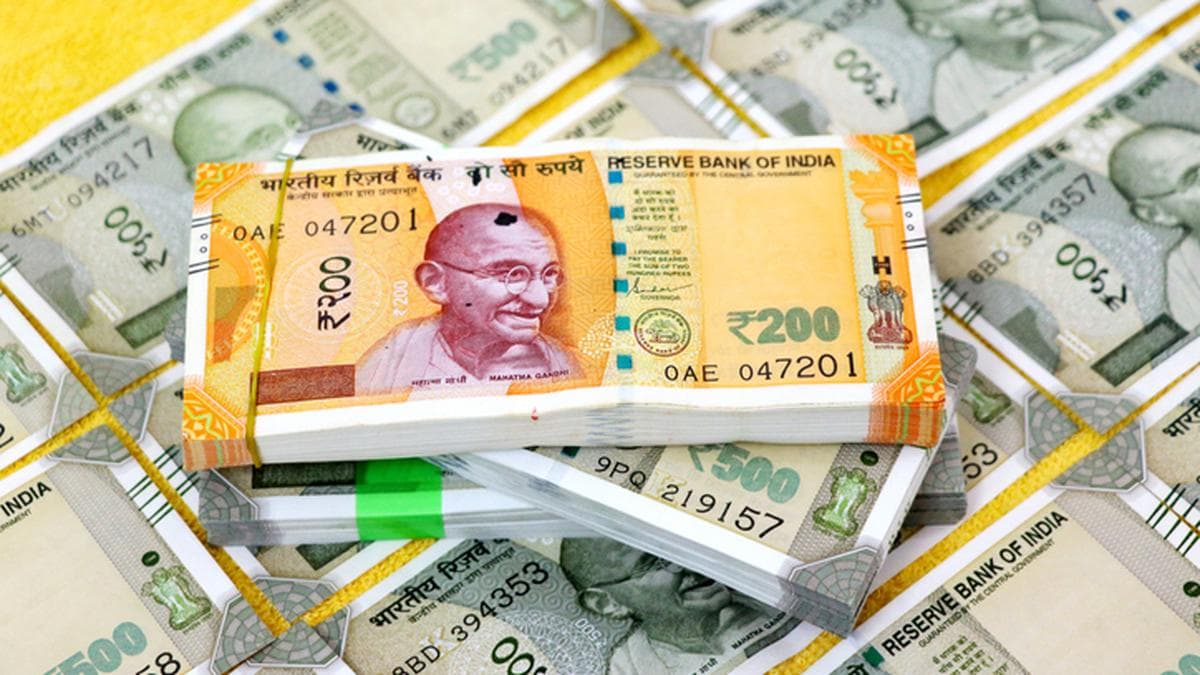
Image: The Hindu
India's forex reserves fall by $7 billion, raising concerns over economic stability and investor confidence. What does this mean for the future?
GlipzoIn a noteworthy development, India's foreign exchange reserves have experienced a substantial decline of $7.052 billion, bringing the total down to $709.759 billion as of the week ending March 13, 2026. The Reserve Bank of India (RBI) disclosed this information on March 20, 2026, marking a critical moment for the country's financial landscape. This drop is part of a continuing trend, as the reserves had already fallen by $11.683 billion in the prior week, which saw them at $716.81 billion.
The current figures are a stark contrast to the unprecedented peak of $725.727 billion reached just a month earlier, on February 13, 2026. This significant fluctuation raises questions about the underlying factors affecting the reserves and what might lie ahead for India's economy.
A key component of these reserves is the foreign currency assets, which have also taken a hit. According to the RBI's data, these assets fell by $7.678 billion, now totaling $555.568 billion. Notably, the value of foreign currency assets is influenced by the fluctuations in non-U.S. currencies such as the euro, pound, and yen. This means that any appreciation or depreciation of these currencies directly impacts India's forex reserves.
In contrast, India's gold reserves saw a modest increase, rising by $664 million to reach $130.681 billion during the same week. This uptick in gold reserves indicates a shift towards more stable assets amid the volatility in foreign currency assets.
The Special Drawing Rights (SDRs), which are an international reserve asset, also saw a decline, dropping by $23 million to $18.697 billion. Additionally, India's reserve position with the International Monetary Fund (IMF) decreased by $15 million, now standing at $4.814 billion. These figures suggest a tightening of liquidity and a potential need for strategic adjustments in India's financial policies.
The decline in forex reserves is significant for several reasons: - Economic Stability: Forex reserves are crucial for maintaining currency stability, influencing inflation, and ensuring that a country can meet its international payment obligations. - Investor Confidence: A decrease in reserves may raise concerns among foreign investors, potentially affecting foreign direct investment and the overall economic sentiment. - Policy Implications: The RBI may need to revisit its monetary policy strategies, especially regarding interest rates and foreign exchange management, to bolster reserves.
As these developments unfold, several factors will be key to monitor: - Market Reactions: Watch how financial markets respond to this news, particularly in terms of the Indian rupee's value against other currencies. - Policy Responses: The RBI's upcoming policy decisions will be crucial in determining how effectively the country can stabilize its reserves. - Global Economic Trends: The international economic landscape, including commodity prices and currency fluctuations, will significantly impact India's forex reserves moving forward.
In conclusion, the recent drop in India's forex reserves is a critical situation that highlights the ongoing challenges faced by the country's economy. Stakeholders across the board will need to remain vigilant as they navigate this volatile environment, with the central bank's strategies playing a pivotal role in shaping the future.
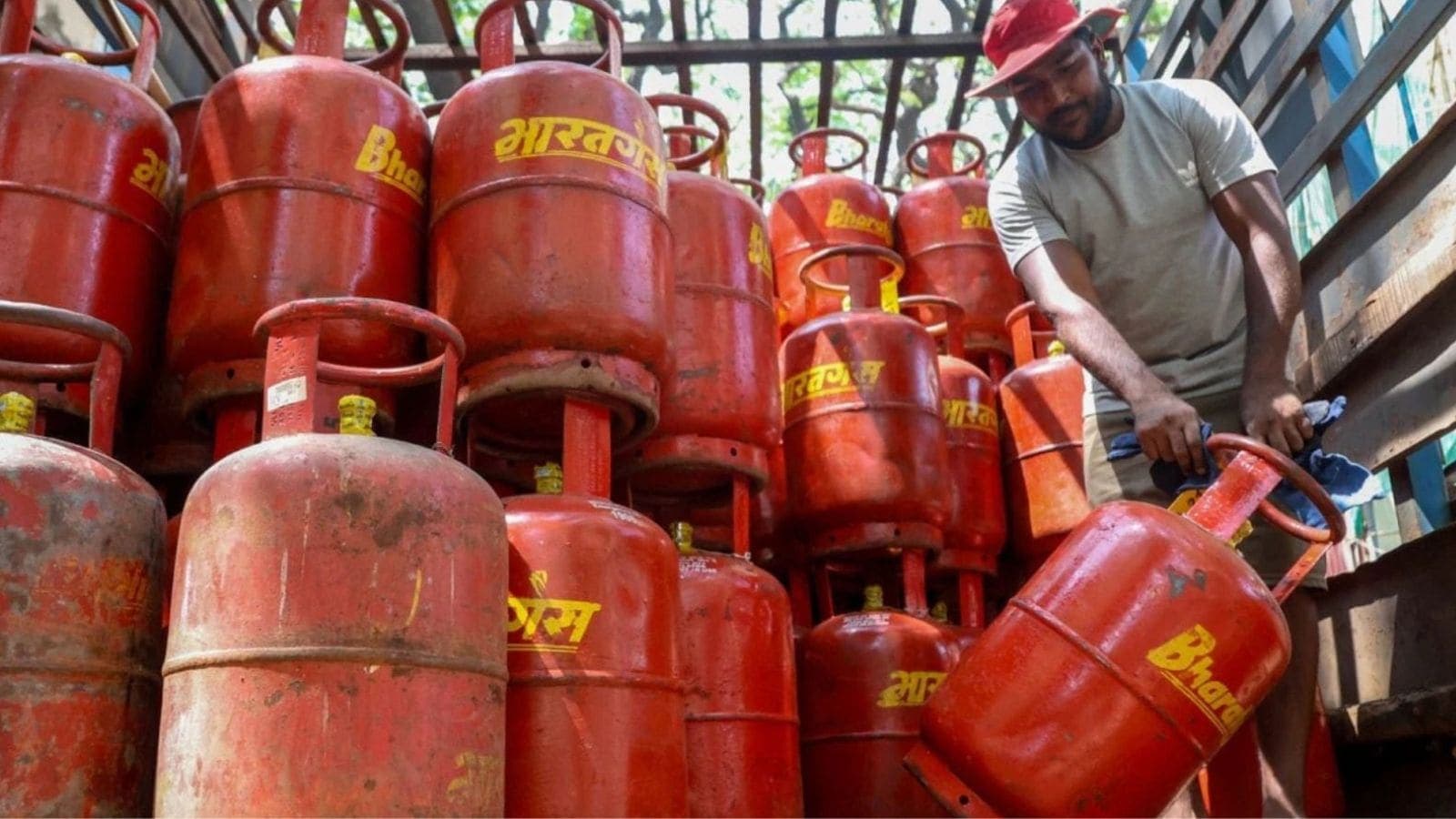
Commercial LPG prices have risen again, with increases of ₹42 in Delhi and ₹53.50 in Kolkata impacting businesses and consumers alike. Find out more.
Indian Express
Discover how a tragic coal mine explosion in Shanxi, China, reveals ongoing safety concerns in the industry amidst a push for green energy.
BBC Business
Montek Singh Ahluwalia highlights key economic challenges for India, emphasizing the need for a strategic approach to balance payments and investment.
Indian Express