

Image: Times of India
India cautiously reopens to Chinese investments with new regulations, striking a balance between economic growth and national security. Discover the implications.
GlipzoIn a surprising move, India has begun to recalibrate its economic relationship with China, marking a significant shift in policy that has been six years in the making. This cautious reopening comes on the heels of a Cabinet amendment to Press Note 3, which clarifies the rules surrounding foreign investments. However, this adjustment is not an invitation for unchecked investment; rather, it represents a calculated step towards a more nuanced engagement with one of its largest trading partners.
The decision reflects India's evolving stance, balancing economic interests with national security concerns. Previously, in 2017, India had implemented restrictions aimed at curtailing foreign capital inflow from countries sharing a land border, primarily targeting Chinese investments amid rising geopolitical tensions. Now, the Cabinet's recent action signifies a thawing of relations, albeit with careful limitations in place.
The economic ties between India and China have always been complex, characterized by both competition and cooperation. As two of the largest economies in Asia, their relationship has significant implications not just for their respective markets but also for global trade dynamics. In 2020, amid the COVID-19 pandemic and border conflicts, India took steps to further restrict Chinese investments, emphasizing concerns over data security and national sovereignty.
Key aspects of this recalibrated approach include: - Investment Clarity: The amendment to Press Note 3 delineates who can invest in India and under what conditions, addressing previous ambiguities. - Security Considerations: While the door is ajar, it remains guarded. Investments will still be scrutinized to ensure they align with national interests. - Economic Growth: By cautiously reopening its markets, India aims to attract foreign capital essential for fostering economic growth and infrastructure development.
This amendment is not merely a bureaucratic change; it holds profound implications for businesses and investors. Foreign investors can now navigate the Indian market with greater clarity, potentially leading to increased capital inflow. However, the cautious approach indicates that India is not ready to fully embrace Chinese investments, reflecting ongoing geopolitical tensions.
As India looks to boost its economic recovery post-pandemic, attracting foreign direct investment (FDI) is crucial. The government has targeted sectors such as technology, renewable energy, and manufacturing for foreign investment, areas where China has considerable expertise. Yet, while the Chinese market presents significant opportunities, India remains wary of over-dependence on a country with which it shares a contentious relationship.
The recalibration of India’s economic ties with China is a critical development in the context of global trade. With the rise of protectionism and shifting alliances, countries are increasingly prioritizing national interests. For India, this means not only securing investments but also ensuring that they do not compromise its sovereignty or security.
The implications of this adjustment extend beyond economics. Stronger ties with China could potentially lead to improved diplomatic relations, easing tensions on multiple fronts. However, the Indian government must tread carefully, balancing engagement with vigilance to protect its national interests.
As India embarks on this new chapter in its economic relationship with China, several key factors will play a role in shaping future developments: - Regulatory Changes: Watch for further amendments to investment policies that may either ease or tighten restrictions based on geopolitical developments. - Investment Flow: Monitor the volume and nature of Chinese investments post-amendment, assessing how they align with India’s strategic interests. - Diplomatic Engagement: The potential for improved diplomatic ties hinges on the economic relationship; watch for high-level discussions that could signal a shift. - Sectoral Focus: Pay attention to sectors that attract the most foreign interest and how India positions itself to leverage these investments while safeguarding its interests.
In conclusion, India’s decision to open its doors, albeit slightly, to foreign investment from China reflects a strategic pivot in its economic policy. This calibrated response not only aims to boost economic growth but also serves as a crucial reminder of the delicate balance between economic cooperation and national security. As the global landscape continues to evolve, India’s approach will be critical in navigating its economic future while ensuring its sovereignty remains intact.
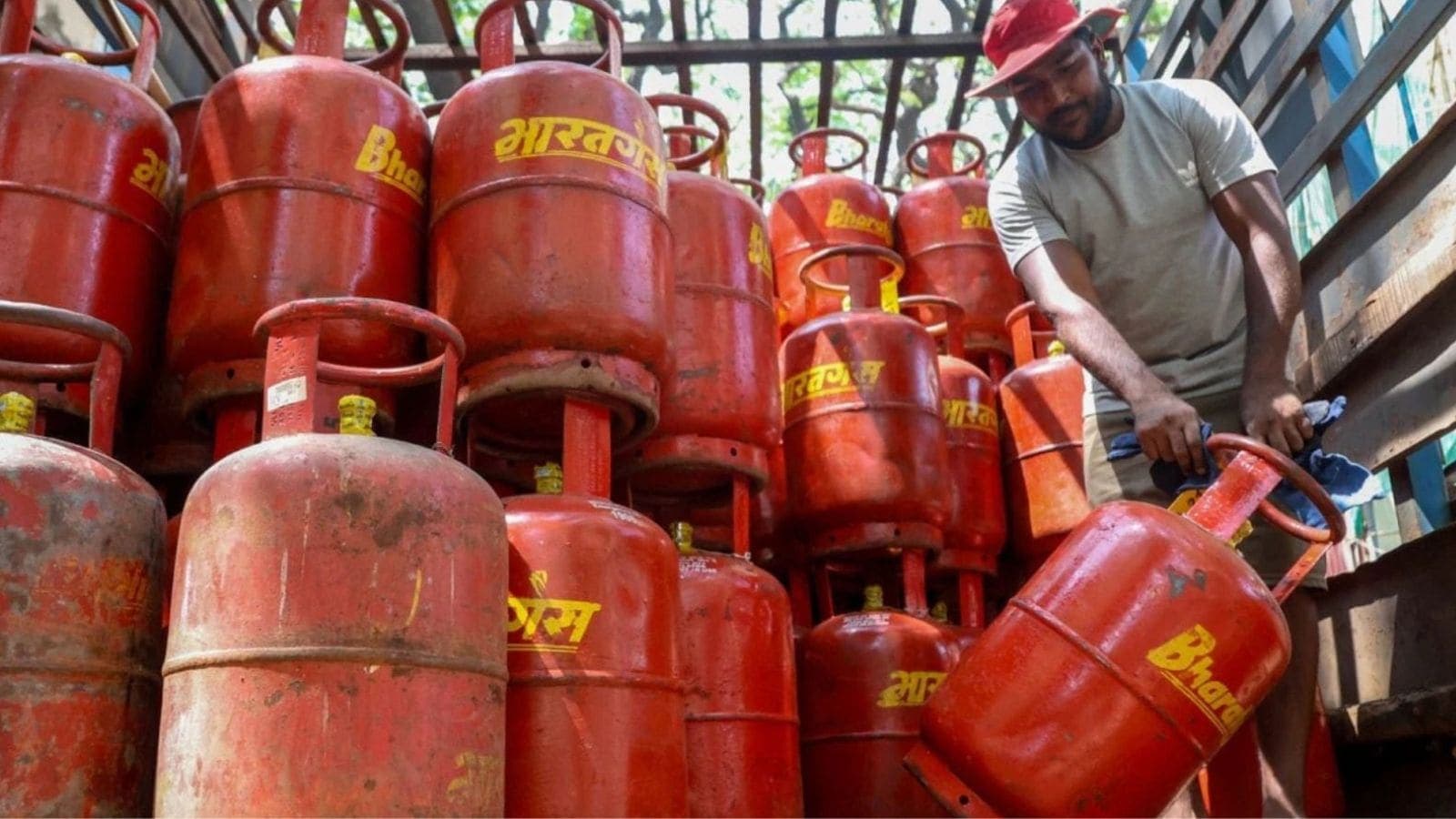
Commercial LPG prices have risen again, with increases of ₹42 in Delhi and ₹53.50 in Kolkata impacting businesses and consumers alike. Find out more.
Indian Express
Discover how a tragic coal mine explosion in Shanxi, China, reveals ongoing safety concerns in the industry amidst a push for green energy.
BBC Business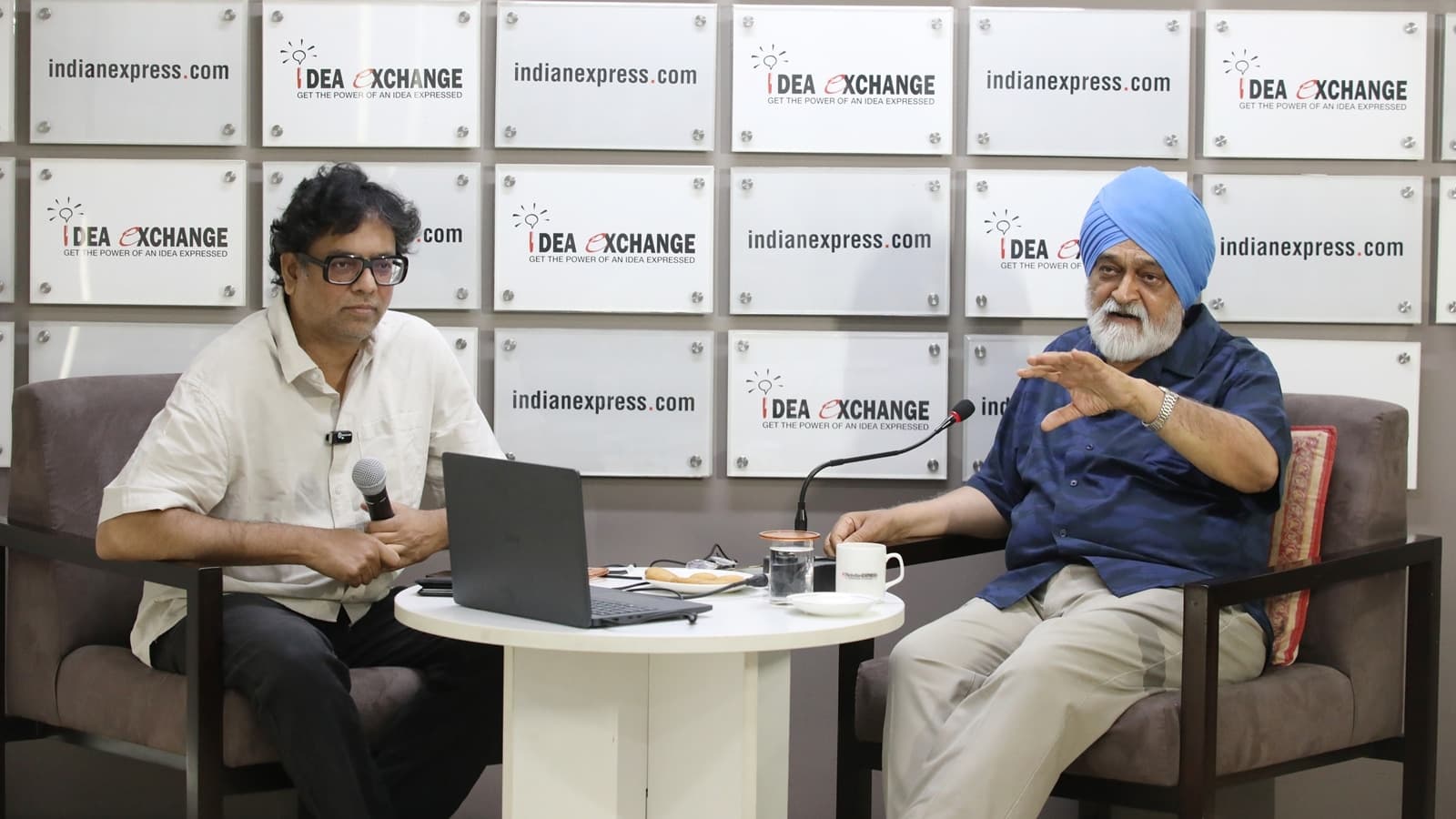
Montek Singh Ahluwalia highlights key economic challenges for India, emphasizing the need for a strategic approach to balance payments and investment.
Indian Express