
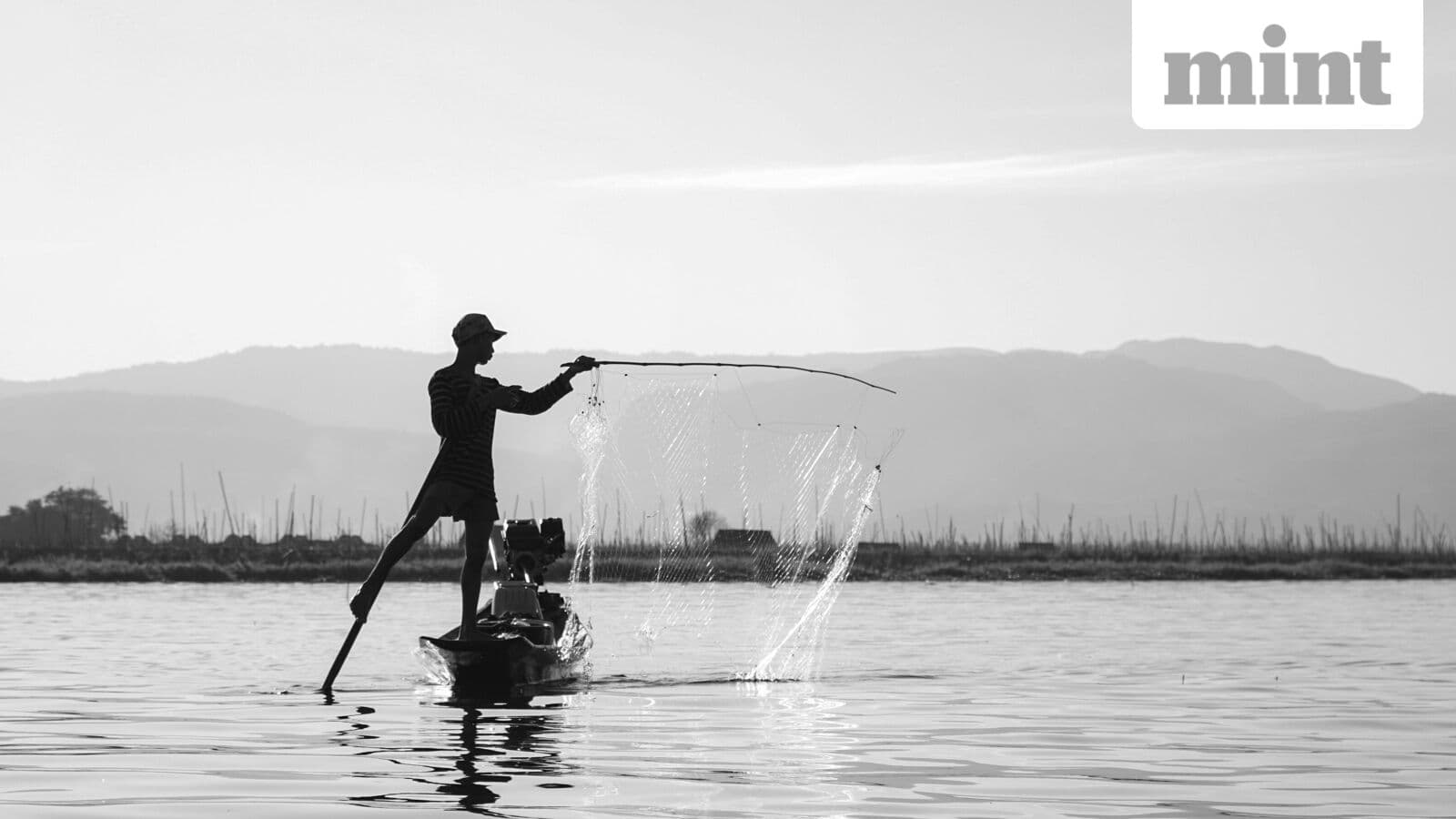
Image: Mint (Business)
Discover why India is prioritizing cold-water fisheries with Trout and Mahseer to boost rural incomes, enhance nutrition, and tap into global markets.
GlipzoIn a groundbreaking initiative, India is redirecting its focus towards the rich aquatic resources of its Himalayan and Northeastern regions. The government is keen to tap into the lucrative but underutilized domain of cold-water fisheries, particularly targeting high-demand species such as Trout and Mahseer. With an expansive area of over 5.33 lakh square kilometers dedicated to these ventures, this push signifies a strategic move aimed at enhancing rural livelihoods, boosting local economies, and exploring export markets.
The central government has recently introduced model guidelines, enabling states to formulate specific policies that prioritize ecological sustainability while increasing fish production. This initiative not only aims to uplift rural incomes but also emphasizes nutrition security and biodiversity conservation. With rising demand for premium fish globally, the initiative is positioned to meet both local and international market requirements.
Cold-water fisheries refer to aquatic systems characterized by low temperatures and high dissolved oxygen levels, making them ideal habitats for species like Trout and Mahseer. In India, these fisheries predominantly flourish in the Himalayan belt, parts of the Northeast, and select highland areas of the peninsula. The regions include Jammu & Kashmir, Ladakh, Himachal Pradesh, Uttarakhand, Sikkim, and Arunachal Pradesh, collectively covering a vast and pristine ecological landscape.
The cold-water fisheries sector boasts over 278 identified species, presenting a niche market with immense potential for income generation, nutrition enhancement, and conservation efforts. Key species like Rainbow Trout, Brown Trout, Snow Trout, and Mahseer are at the forefront of this initiative, with Rainbow Trout being the most commercially viable due to its adaptability and accelerated growth rate. Alongside these, various exotic carps and Indian Major Carps are also being explored for suitable environments.
India's ambitious strategy aims to dramatically increase production from approximately 1,500 metric tonnes in 2019–20 to over 50,000 tonnes by the year 2030. This exponential growth will rely on enhancing the productivity of Trout raceways, targeting yields of 2 to 4 tonnes per unit. The expansion of hatcheries, ponds, and fingerling-rearing facilities are crucial components of this strategy.
Key targets include: - Boosting productivity of Trout raceways - Expanding hatcheries and other cultivation facilities - Enhancing market access for rural communities
The emphasis on exotic species, particularly Rainbow Trout, underscores their commercial viability and adaptability, while also incorporating native species like Snow Trout and Mahseer to ensure a diverse aquaculture approach.
The development of cold-water fisheries is viewed as a critical driver for boosting rural livelihoods and diversifying aquaculture in India. Premium species such as Trout and Mahseer typically command elevated prices in urban and export markets, making them particularly beneficial for local hill communities. According to Manzoor Ahmad Samoon, deputy director at the Central Department of Fisheries in Jammu and Kashmir, local demand for Trout has been on the rise, yet limited supply restricts India's ability to compete effectively in the global market.
“As of now, most of the Trout produced in Himalayan regions is consumed locally or sent to urban markets like Delhi, where demand is consistently increasing. However, our current output limits our capacity to engage in international trade. To unlock this potential, we need to significantly ramp up production and ensure the quality of our fish,” Samoon noted.
Furthermore, cold-water fisheries are integral to achieving nutritional objectives, particularly in remote regions where fish serves as a crucial source of protein and essential micronutrients. By leveraging the rich aquatic resources of the upland regions, India can strategically enhance its nutritional outcomes while simultaneously addressing economic needs.
Despite the promising outlook, the cold-water fisheries sector is not without its challenges. Several structural and ecological constraints persist, which could hinder progress: - Infrastructure deficits in hatcheries and processing facilities - Poor market access due to inadequate transportation networks - Lack of standardized breeding and feeding protocols, especially for indigenous species - Native species often exhibit slower growth rates compared to exotic varieties
These challenges pose significant hurdles that require strategic planning and investment to overcome. Enhanced infrastructure, improved market connectivity, and the establishment of standardized practices will be essential to maximize the sector's potential.
As India navigates this ambitious venture into cold-water fisheries, the focus will be on overcoming existing obstacles while capitalizing on the vast potential of its natural resources. The government's proactive measures and model guidelines set the stage for a transformative approach to aquaculture in the country.
Future developments to watch include: - Increased investment in infrastructure and technology for fisheries - Expansion of market access initiatives for remote fish farmers - Implementation of sustainable practices to ensure ecological balance
By addressing these priorities, India can not only meet domestic demands but also position itself as a competitive player in the global fisheries market. The success of this initiative could pave the way for improved livelihoods, enhanced nutrition, and a sustainable approach to utilizing the nation's rich aquatic resources.
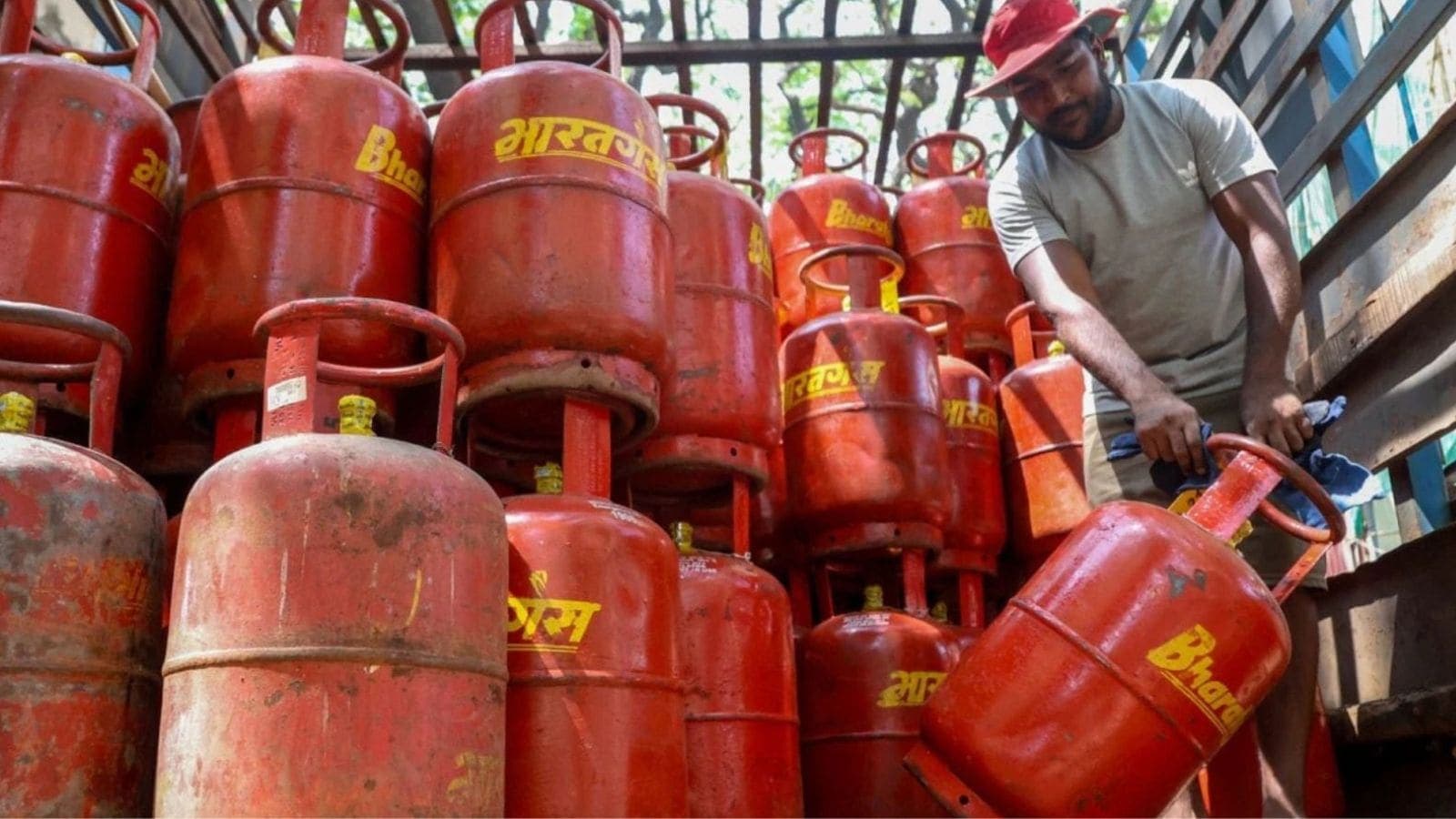
Commercial LPG prices have risen again, with increases of ₹42 in Delhi and ₹53.50 in Kolkata impacting businesses and consumers alike. Find out more.
Indian Express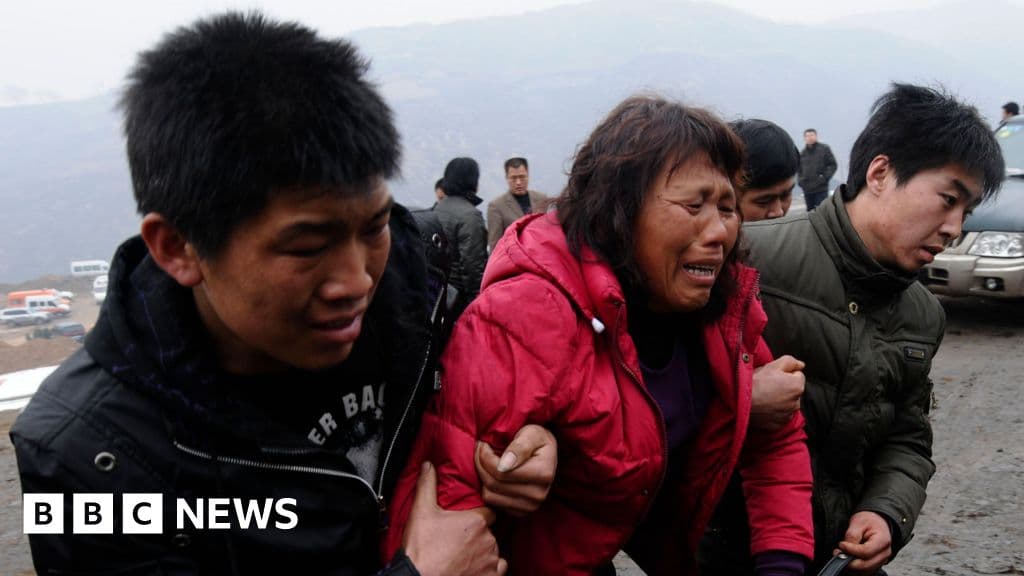
Discover how a tragic coal mine explosion in Shanxi, China, reveals ongoing safety concerns in the industry amidst a push for green energy.
BBC Business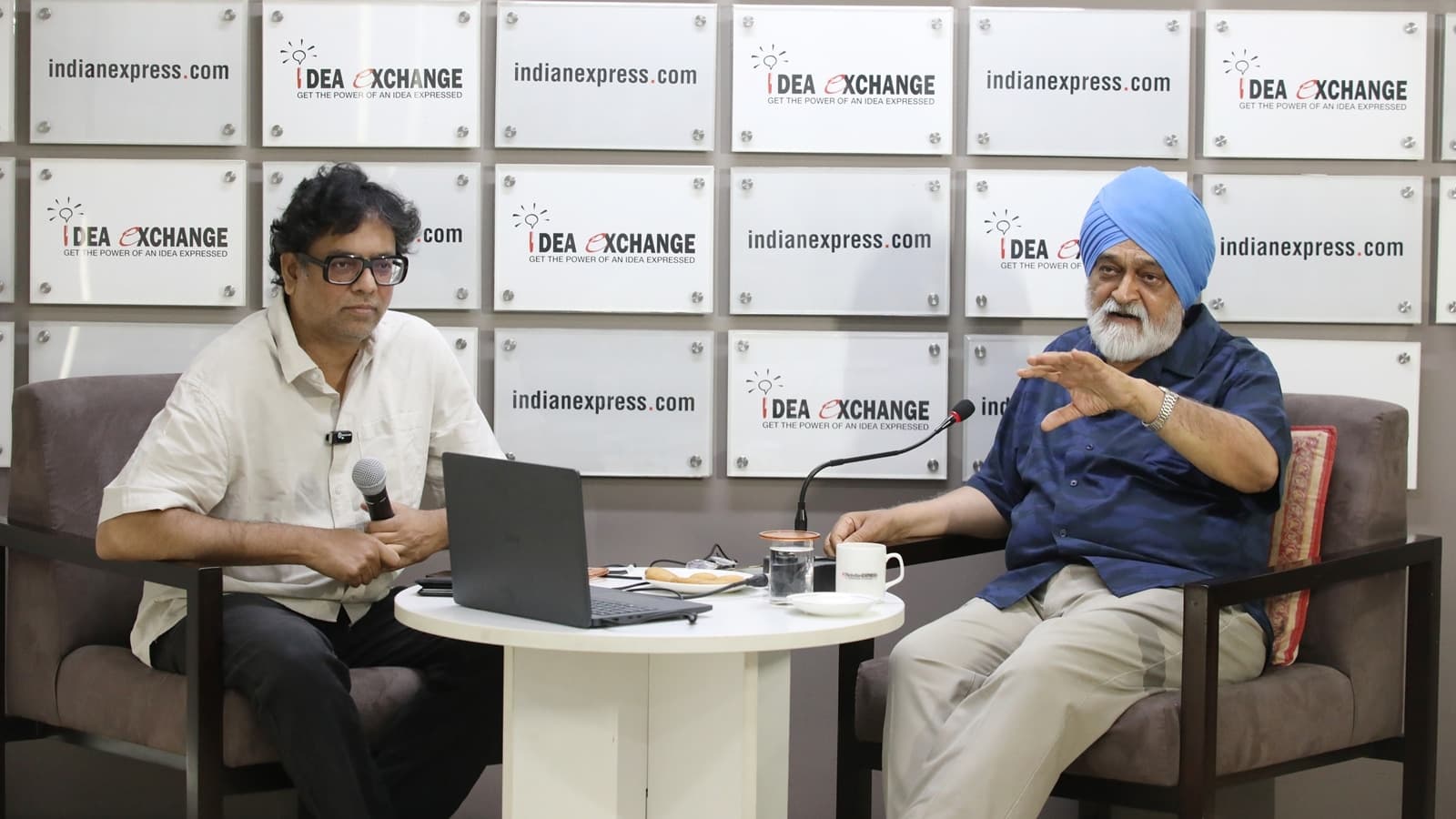
Montek Singh Ahluwalia highlights key economic challenges for India, emphasizing the need for a strategic approach to balance payments and investment.
Indian Express