
Image: BBC Business
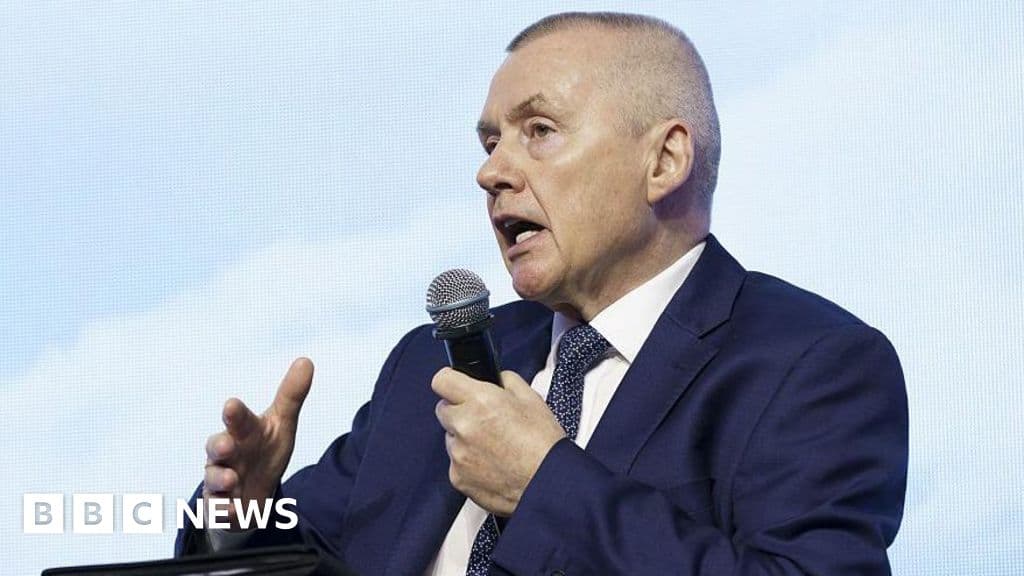
Incoming IndiGo CEO Willie Walsh calls India's 50 widebody aircraft a 'scandal,' highlighting the urgent need for growth in the aviation sector.
GlipzoWidebody aircraft are essential for long-haul flights and non-stop international routes. They are typically larger and designed with two aisles to accommodate more passengers. As India’s aviation market gears up for expansion, the lack of these aircraft could hinder the country’s potential to become a global aviation hub.
Walsh, set to take the helm at IndiGo in August, will succeed Pieter Elbers, who resigned on March 10 under circumstances that many believe were tied to a major flight cancellation crisis that saw the airline cancel around 4,500 flights in December, stranding thousands of passengers. This disruption was attributed to new regulations aimed at reducing pilot fatigue, which the airline mismanaged by underestimating the number of pilots needed.
"When you consider the size of the population and the geography, it points to a need for enhanced air connectivity," Walsh stated. He emphasized that the disparity in long-haul capacity is alarming given the size of the country. "It's a scandal that India has only 50 widebody aircraft last year," he said, adding that the fleet should be significantly larger to meet the growing demands of air travel.
Walsh sees a transformative opportunity for Indian carriers to expand their global reach. Historically, many Indian travelers have relied on Gulf hubs for connecting flights to destinations in North America. This presents a significant opportunity for Indian airlines to establish a stronger international presence.
"India is a significant oil importer and a major refiner as well," Walsh remarked. He noted that the current energy crisis might encourage a shift towards renewable energy, suggesting that governments could reevaluate their energy policies. "This situation could lead to more investment in renewable energies instead of merely focusing on traditional fossil fuels."
"It’s disappointing to see the prices of sustainable aviation fuel increase so significantly," he said. Walsh emphasized the importance of making this fuel more accessible, especially during a time when the aviation industry is under pressure to reduce its carbon footprint.
In summary, the future of India’s aviation sector is ripe with opportunities and challenges. As Walsh prepares to lead IndiGo, the focus will be on expanding capacity, ensuring regulatory compliance, and navigating the complexities of sustainable aviation. The coming months will be crucial in determining how well India can establish itself as a key player in the global aviation market.
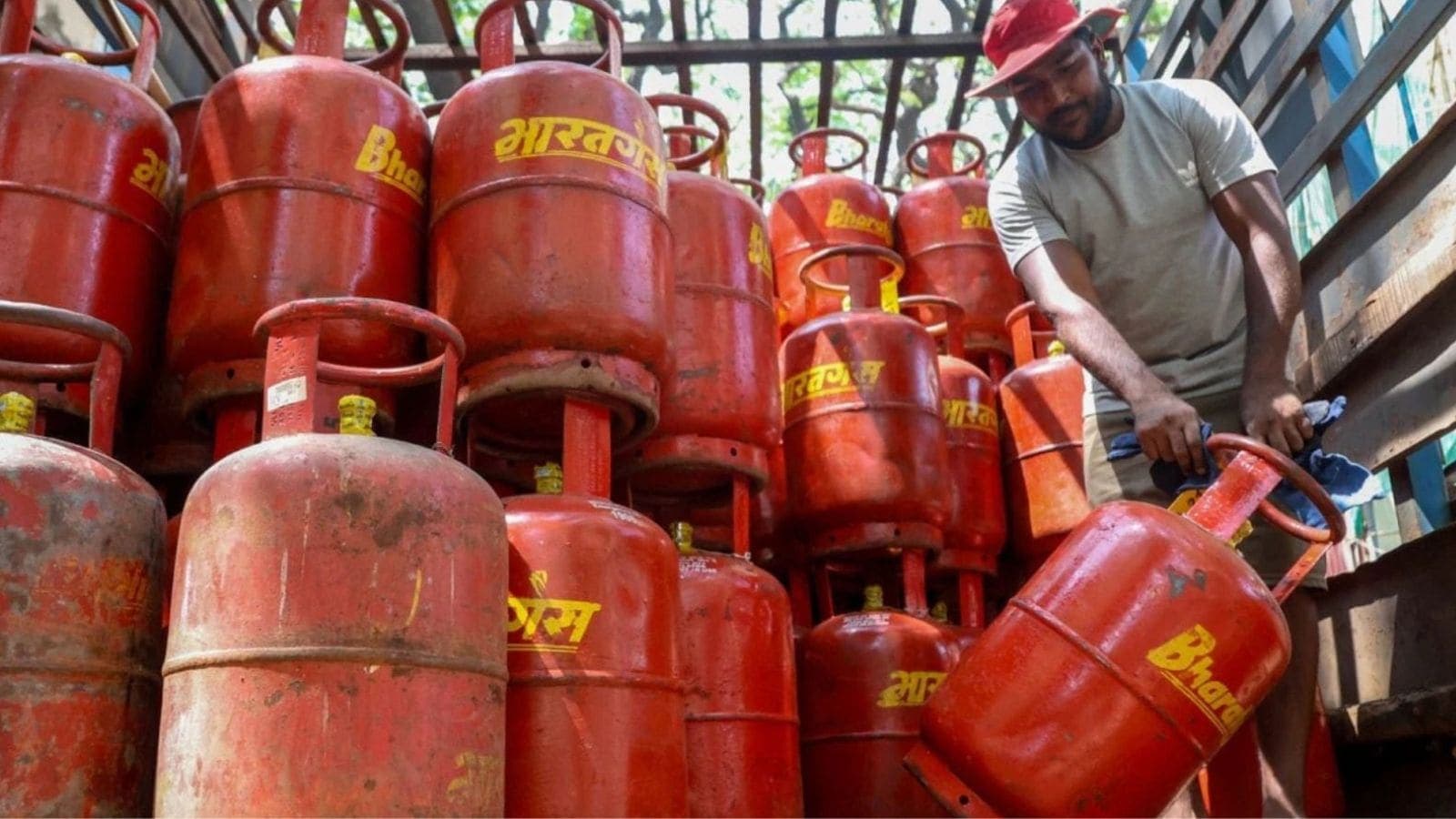
Commercial LPG prices have risen again, with increases of ₹42 in Delhi and ₹53.50 in Kolkata impacting businesses and consumers alike. Find out more.
Indian Express
Discover how a tragic coal mine explosion in Shanxi, China, reveals ongoing safety concerns in the industry amidst a push for green energy.
BBC Business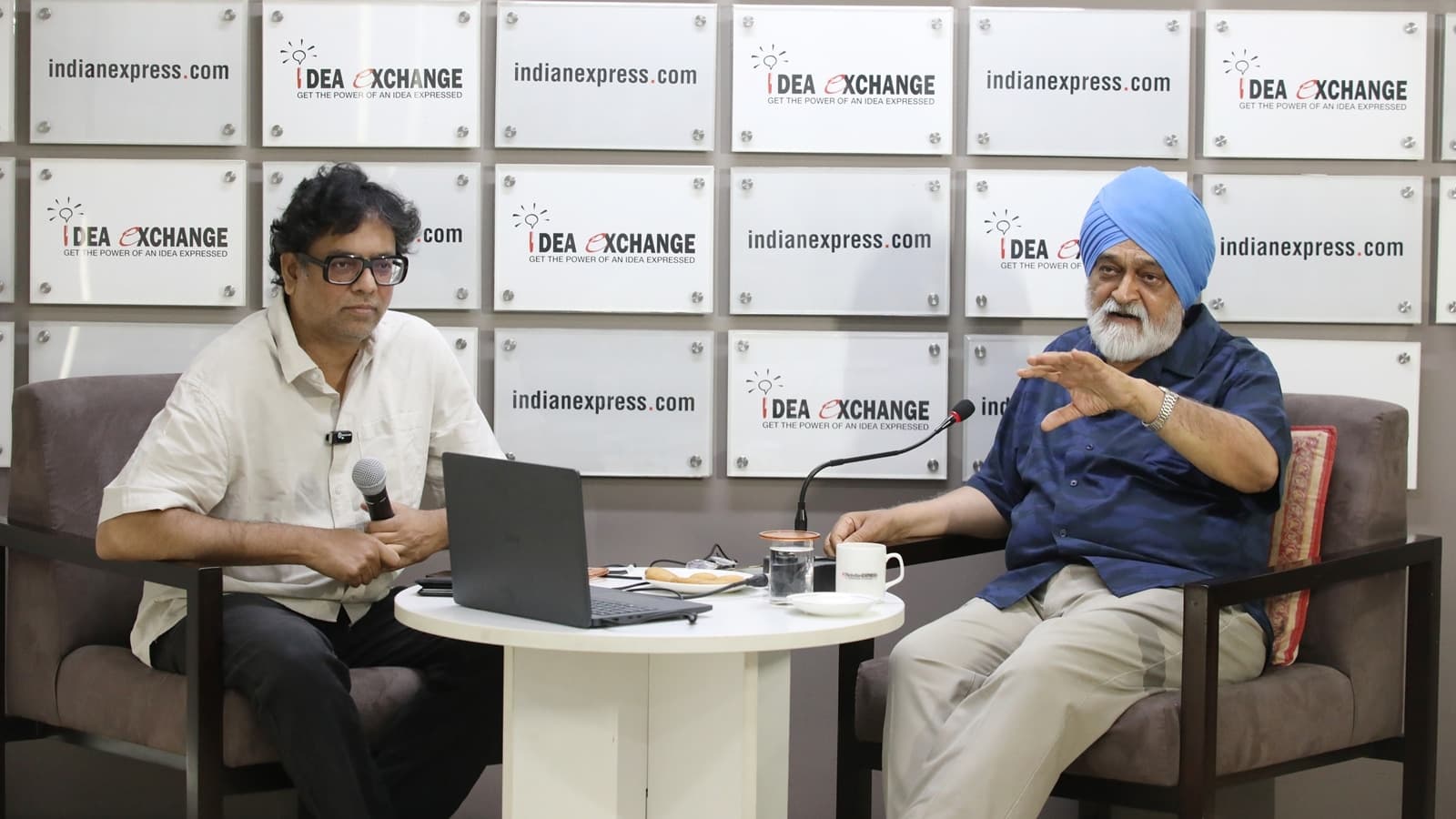
Montek Singh Ahluwalia highlights key economic challenges for India, emphasizing the need for a strategic approach to balance payments and investment.
Indian Express