

Image: Times of India
Indian ships receive assurance of safe passage through the Strait of Hormuz following discussions between Jaishankar and Iran's FM, enhancing trade and security.
GlipzoIn a significant diplomatic development, Indian vessels have been assured safe transit through the Strait of Hormuz following discussions between India's External Affairs Minister S. Jaishankar and Iran's Foreign Minister Hossein Amir-Abdollahian. This agreement, reached on October 3, 2023, underscores the importance of maritime security in the region, especially given the strategic significance of the waterway for global trade.
The Strait of Hormuz is a critical passage, connecting the Persian Gulf with the Gulf of Oman. Approximately 20% of the world's oil supply moves through this narrow channel, making its security vital not just for Iran and India, but for the global economy at large. The recent agreement comes amid rising tensions in the region, where geopolitical shifts have often led to threats against maritime navigation.
During their discussions, Jaishankar emphasized the necessity of maintaining peace and stability in the region. The two leaders acknowledged the challenges posed by regional conflicts and the need for cooperative strategies to enhance maritime security. Amir-Abdollahian reiterated Iran's commitment to ensuring safe passage for vessels traversing this vital route.
The dialogue between the two foreign ministers covered several crucial aspects: - Assurance of Safe Passage: Both parties committed to safeguarding the movement of ships through the Strait. - Economic and Strategic Cooperation: Discussions included enhancing bilateral trade ties and maritime cooperation. - Regional Stability: The leaders recognized the need for collaborative efforts to deter threats to shipping and regional peace.
The renewed focus on maritime security comes in the wake of increased activity by various state and non-state actors in the region, which has raised concerns among international shipping companies. The assurance of safe passage is expected to bolster confidence among Indian shipping lines operating in the area.
For India, which relies heavily on oil imports from the Gulf region, this agreement is particularly significant. Indian ships, primarily engaged in the oil trade, can now operate with reduced risk of encountering disruptions. With Iran being a key player in the oil market, maintaining open lines of communication is essential for India's energy security.
Some potential impacts include: - Increased Trade: A secure environment can lead to a boost in trade activities, especially in energy imports. - Economic Growth: Enhanced maritime security may contribute positively to India's economic growth, as smoother logistics can reduce costs. - Stronger Bilateral Relations: The agreement may pave the way for deeper ties between India and Iran, focusing on mutual interests in trade and security.
The agreement not only benefits India but also contributes to broader maritime security efforts in the Middle East. By reaffirming commitments to safe passage, India and Iran are sending a message to other nations regarding the importance of cooperative security frameworks. This is particularly relevant as tensions between Iran and the United States have historically led to confrontations in the region.
The United Nations and various international organizations have often highlighted the necessity of collaborative approaches to maritime security. With rising threats such as piracy and geopolitical tensions, maintaining open communication channels like the one established between Jaishankar and Amir-Abdollahian is crucial.
The safe passage agreement through the Strait of Hormuz marks a pivotal moment in India-Iran relations, highlighting the importance of diplomatic engagement in addressing regional challenges. As global trade increasingly relies on secure maritime routes, such collaborations will be essential in fostering stability and economic growth.
In essence, this agreement is about more than just the movement of ships; it represents a shared commitment to ensuring that vital trade routes remain open and secure for all nations involved. As tensions ebb and flow in this strategically significant region, the partnership between India and Iran could serve as a model for future cooperation among nations facing similar challenges.
By fostering collaboration, India and Iran not only enhance their bilateral relationship but also contribute to the overarching goal of maritime security in a volatile region.
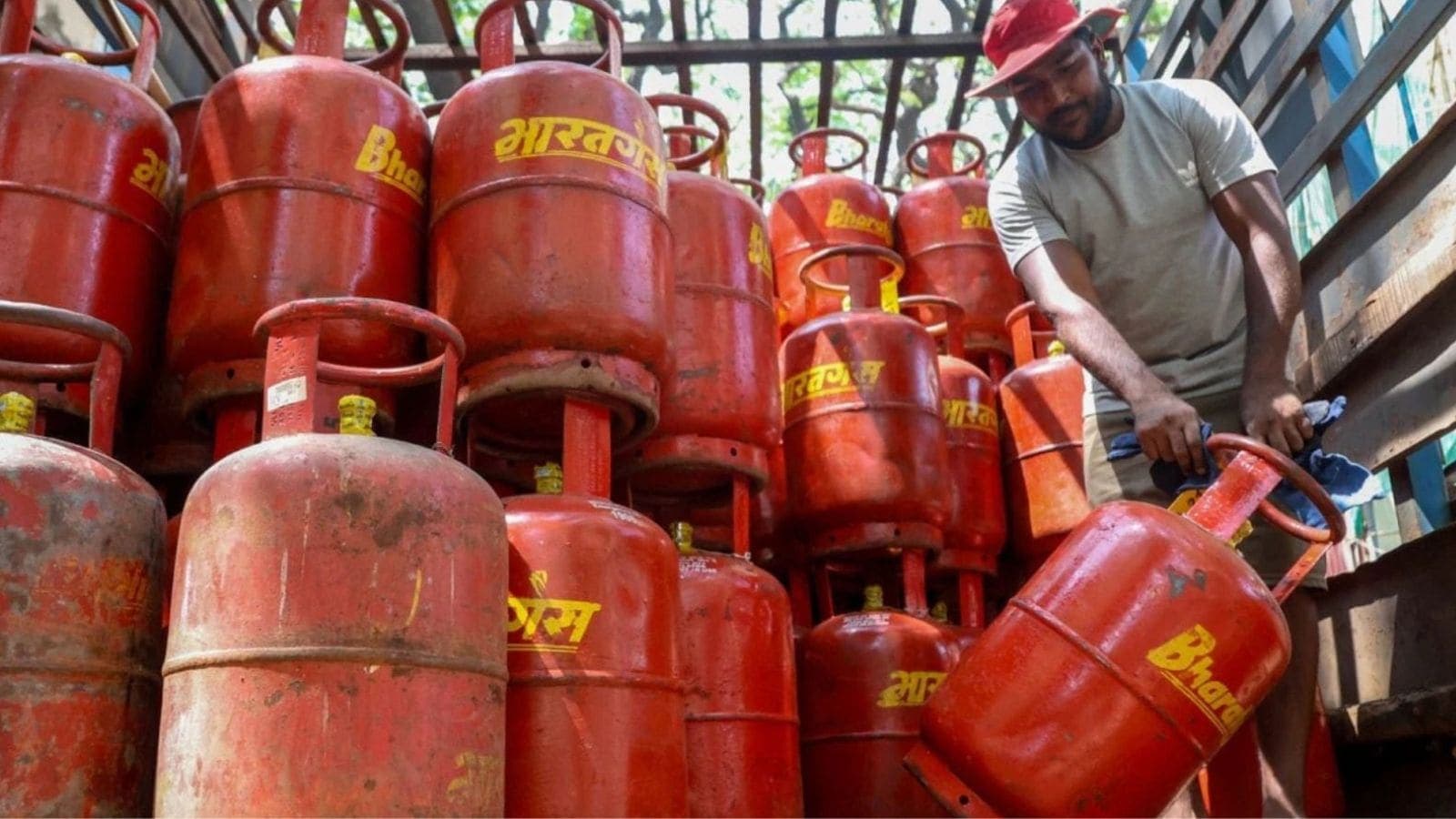
Commercial LPG prices have risen again, with increases of ₹42 in Delhi and ₹53.50 in Kolkata impacting businesses and consumers alike. Find out more.
Indian Express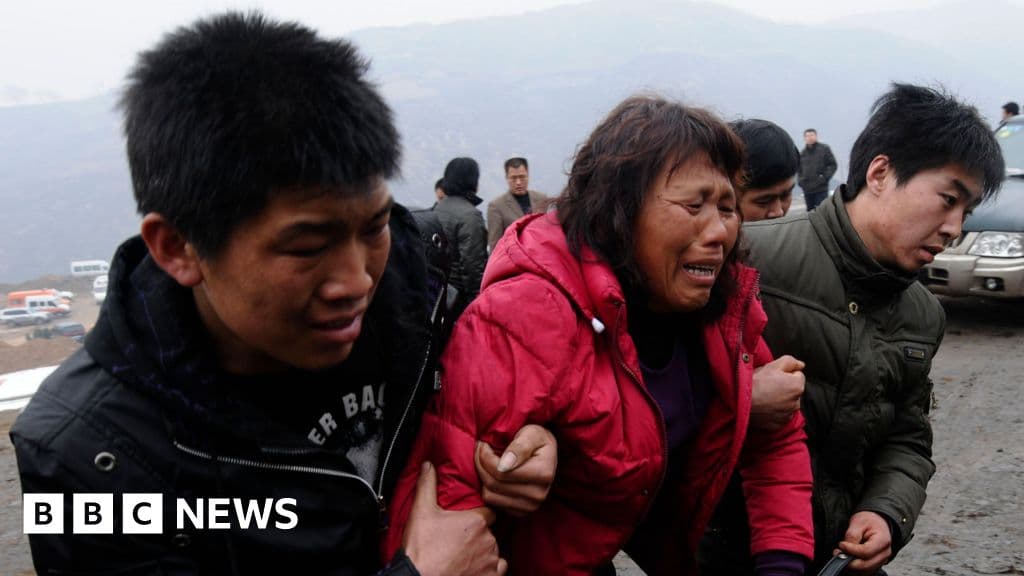
Discover how a tragic coal mine explosion in Shanxi, China, reveals ongoing safety concerns in the industry amidst a push for green energy.
BBC Business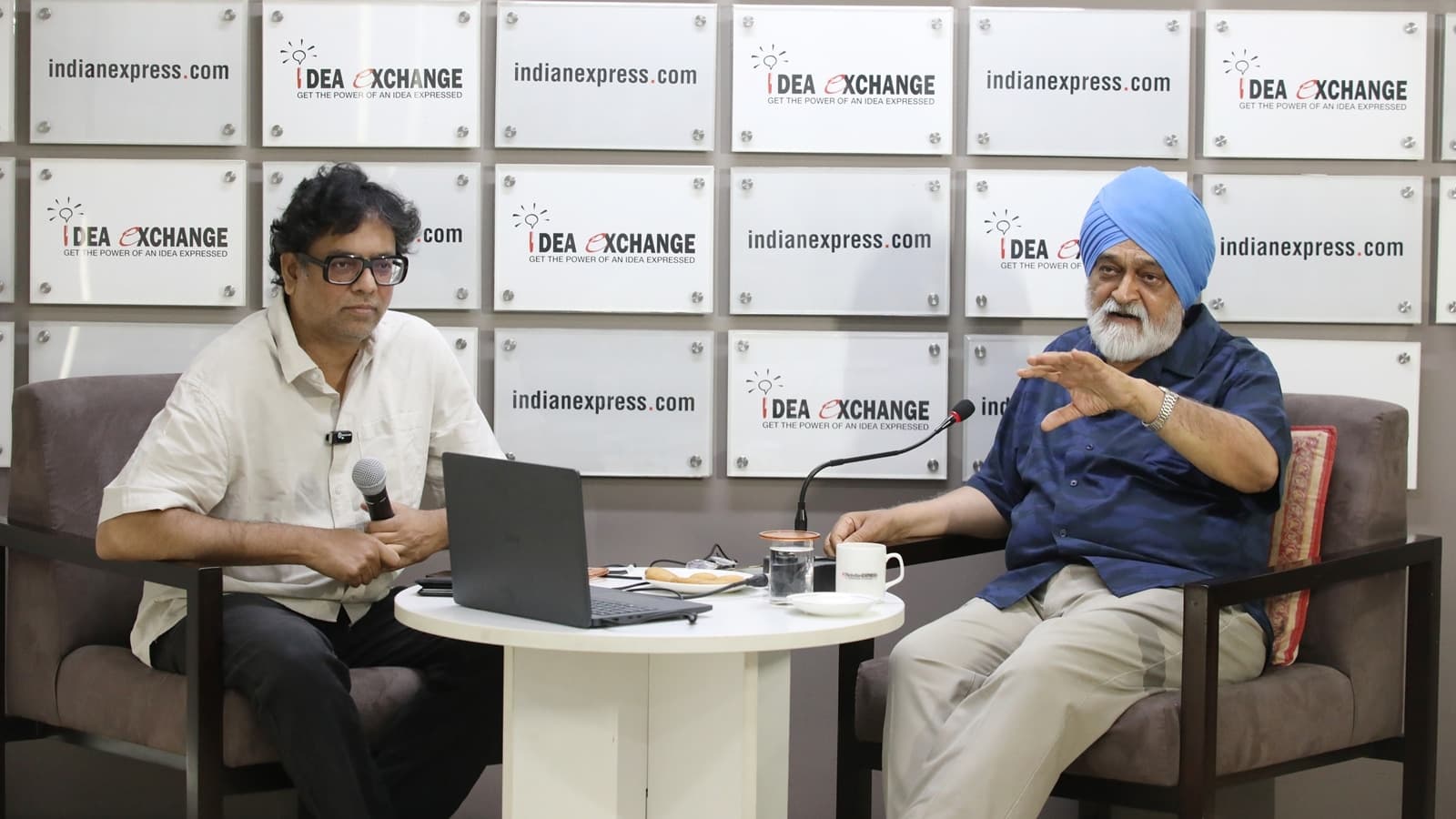
Montek Singh Ahluwalia highlights key economic challenges for India, emphasizing the need for a strategic approach to balance payments and investment.
Indian Express