
Image: Mint (Business)
Indian refiners are set to resume Iranian oil imports following U.S. sanction relaxations, amid ongoing geopolitical tensions impacting global energy supplies.
GlipzoIn a significant shift in the global oil market, Indian refiners are gearing up to restart their purchases of Iranian oil following a recent relaxation of U.S. sanctions aimed at mitigating the ongoing energy crisis exacerbated by the Israel-Hamas conflict. According to a report by Reuters, this development reflects a broader trend among Asian refiners who are also exploring the possibility of sourcing Iranian crude.
As the geopolitical situation in the Middle East creates turmoil in shipping routes, energy-importing nations find themselves compelled to seek alternative oil supplies. The resumption of Iranian oil imports comes at a time when traditional supply lines have been severely disrupted, prompting refiners to act quickly to secure resources necessary for their operations.
Reports indicate that Indian refining officials are poised to move forward with purchasing Iranian oil, contingent upon further guidance from the Indian government and additional clarifications from the United States regarding payment protocols. The current sanctions waiver on Iranian oil mirrors a similar maneuver by the Trump administration concerning Russian crude, where a 30-day grace period was granted for oil deliveries already en route.
U.S. Treasury Secretary Scott Bessent confirmed via X (formerly Twitter) that American sanctions will not apply for 30 days on Russian oil deliveries that had been loaded onto tankers by March 12, providing a temporary lifeline for certain oil transactions. This waiver opens the door for refiners in India, who have notably limited crude stockpiles compared to their Asian counterparts, to quickly secure much-needed oil supplies.
The implications of this move extend beyond India, as other refiners across Asia are reportedly assessing their options for acquiring Iranian oil. The urgency has escalated given that Asia relies on the Middle East for approximately 60% of its crude supply. With the recent closure of the Strait of Hormuz, a critical maritime passage for oil shipments, many refineries are operating below capacity, leading to a decrease in fuel exports.
Energy Aspects, a consultancy firm, provided an estimate indicating that between 130 million to 140 million barrels of Iranian oil are currently at sea, which represents a mere 14 days of production losses from the Middle East. This statistic underscores the precarious nature of energy supplies in the region amid ongoing conflicts.
Despite the renewed interest in Iranian oil, there are significant hurdles that buyers must navigate. Issues such as the uncertainty surrounding payment processes and the condition of ships used for transportation pose potential complications. Many of the vessels involved in transporting Iranian oil are part of an aging shadow fleet, raising concerns about their reliability.
Moreover, some former buyers of Iranian oil may find themselves bound by contractual obligations to purchase from the National Iranian Oil Company. Since the reinstatement of U.S. sanctions in late 2018, Iranian oil sales have increasingly become reliant on third-party traders, complicating the purchasing landscape further. Key countries that previously imported Iranian crude before sanctions included South Korea, Japan, Italy, Greece, Taiwan, and Turkey, highlighting the broader international implications of these developments.
The resumption of Iranian oil imports not only signifies a potential easing of energy shortages in India and beyond but also reflects the fluid dynamics of global oil markets influenced by geopolitical tensions. For countries like India, which are heavily dependent on energy imports, this move could help stabilize domestic oil prices and enhance energy security.
As refiners navigate the complexities of purchasing Iranian oil, all eyes will be on the U.S. government for any shifts in policy that could impact these transactions. Furthermore, with the ongoing tensions in the Middle East, the situation remains dynamic, and refiners must stay agile to adapt to changing circumstances.
As Indian refiners prepare to resume purchases, several key factors will shape the future of Iranian oil imports:
In conclusion, while the relaxation of sanctions offers a glimmer of hope for Indian refiners and their counterparts in Asia, the journey ahead is fraught with challenges and uncertainties. Stakeholders will need to closely monitor developments to capitalize on opportunities while mitigating risks in this volatile market.
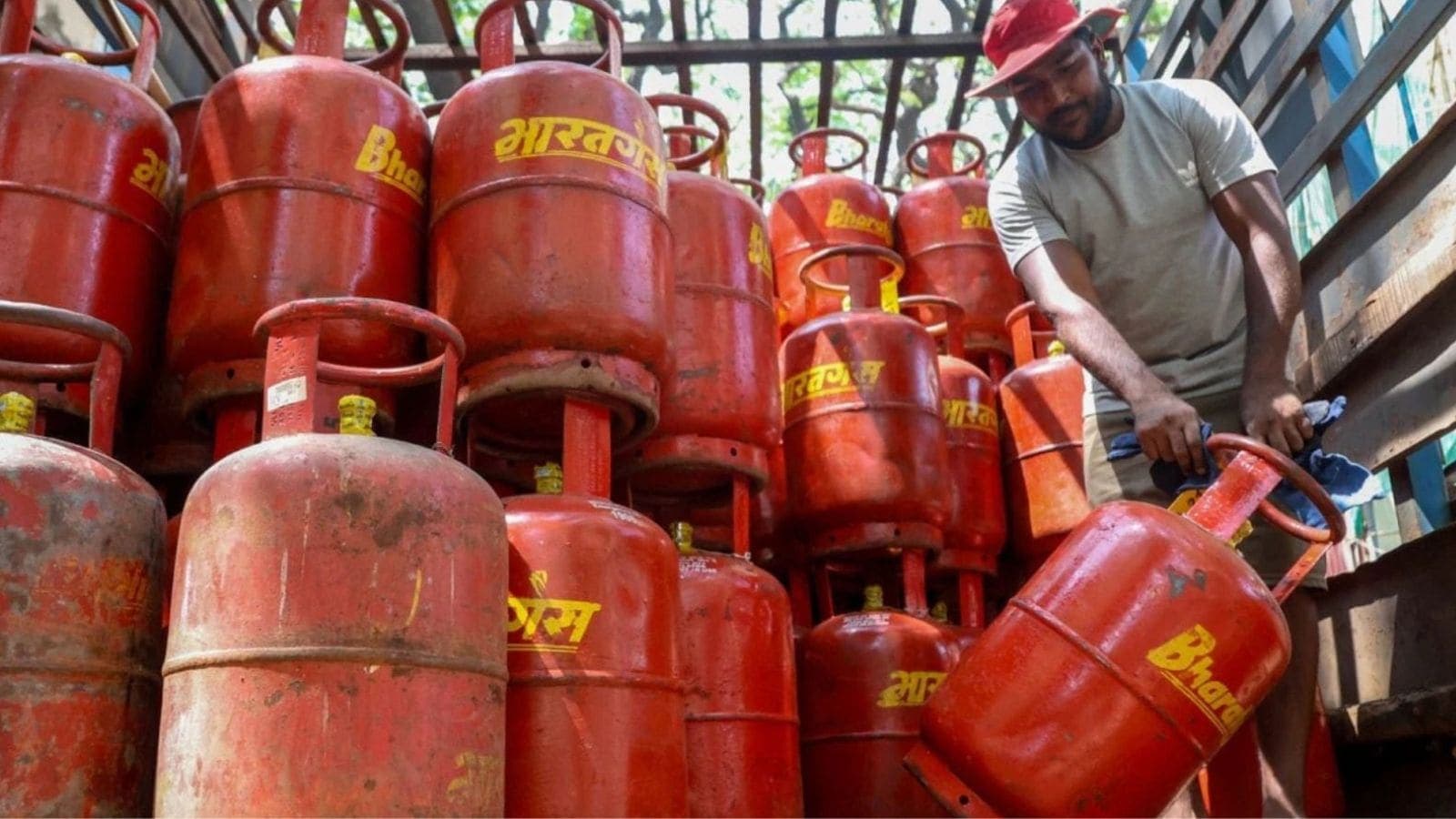
Commercial LPG prices have risen again, with increases of ₹42 in Delhi and ₹53.50 in Kolkata impacting businesses and consumers alike. Find out more.
Indian Express
Discover how a tragic coal mine explosion in Shanxi, China, reveals ongoing safety concerns in the industry amidst a push for green energy.
BBC Business
Montek Singh Ahluwalia highlights key economic challenges for India, emphasizing the need for a strategic approach to balance payments and investment.
Indian Express