
Image: BBC World
Anant Ambani offers to rescue hippos descended from Escobar's herd, sparking a debate on wildlife management in Colombia. What’s next for these iconic animals?
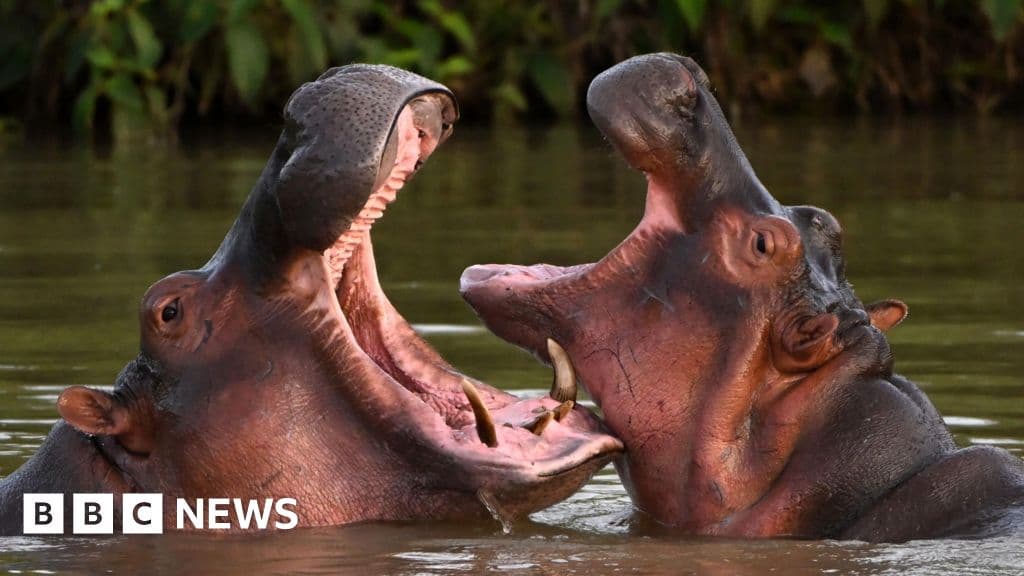
GlipzoIn a surprising turn of events, Anant Ambani, the son of Asia's wealthiest individual, Mukesh Ambani, has made a significant offer to assist Colombia in managing a unique wildlife crisis linked to the infamous drug lord Pablo Escobar. The dilemma involves a herd of hippos that have proliferated since their introduction in the 1980s. The Colombian government is grappling with the growing population of these animals, often referred to as the "cocaine hippos," and is considering drastic measures to control their numbers.
Escobar, who was killed by police in 1993, illegally imported these exotic creatures to his lavish estate, Hacienda Nápoles, located about 250 kilometers northwest of Bogotá. After his death, the hippos escaped into the wild and thrived in Colombia's fertile landscapes, particularly around the Magdalena River. With no natural predators to keep them in check, the hippo population has surged, prompting the Colombian government to explore various control methods, including culling approximately 80 hippos.
The hippos, now believed to be the largest herd of their kind outside Africa, have been described as an invasive species by Colombian environmentalists. Their presence has disrupted local ecosystems and pushed out native wildlife. Additionally, fishing communities along the Magdalena River have reported aggressive encounters with these massive animals, which can weigh up to three tons.
In a bid to address the growing crisis, the Colombian government has tried multiple strategies to control the hippo population, including attempts at sterilization. However, these efforts have yielded limited success, leading to the consideration of culling as a more immediate solution. Anant Ambani's offer adds a new layer to the ongoing debate surrounding the hippos, raising questions about ethical wildlife management and conservation efforts.
In a letter addressed to Colombia's environment minister, the CEO of Ambani's private zoo, Vantara, expressed a commitment to provide the hippos with lifelong care if they were sent to India. The letter, shared on the zoo's Instagram account, emphasized that their proposal stems from a belief that "every life matters" and highlighted a shared responsibility to protect all creatures.
The Vantara Zoo, situated in Gujarat, India, spans over 3,500 acres and houses around 2,000 species, including elephants and tigers. This expansive facility is not only a sanctuary for wildlife but also a site of luxury, having recently hosted extravagant pre-wedding celebrations for Anant Ambani, which attracted worldwide attention in 2024.
Despite its grandeur, the zoo has faced scrutiny from wildlife activists and conservationists who argue that the warm, dry climate of Gujarat may not be suitable for all species housed there. Critics are particularly concerned about the welfare of animals like hippos, which thrive in more temperate and wet environments.
Pablo Escobar earned notoriety as the head of the Medellín cartel, amassing an estimated fortune of $30 billion through the smuggling of drugs into Miami and beyond. His reign, lasting over a decade, was marked by violence, including kidnappings, murders, and bombings, as well as a brief stint as an elected politician. His legacy continues to cast a long shadow over Colombia, not only due to his criminal enterprises but also because of the ecological issues stemming from his illicit activities, such as the introduction of hippos into local ecosystems.
Anant Ambani's initiative to rescue the hippos raises important questions about wildlife conservation and human intervention. As the world's attention shifts towards more ethical treatment of animals, this situation exemplifies the complexities involved in addressing species that become invasive due to human actions. The offer also prompts discussions on how nations can collaborate to manage wildlife in a manner that respects both the animals and the needs of local communities.
As Colombia deliberates on the best course of action regarding the hippo population, all eyes will be on the government's response to Ambani's proposal. Will they accept the offer, or will they continue with their plans to cull the animals? This situation serves as a reminder of the delicate balance between nature and human influence and will likely influence future policies regarding invasive species and wildlife management.
The coming weeks are crucial as Colombia weighs its options for the hippos. The government faces a difficult path, balancing ecological concerns, public safety, and ethical considerations regarding animal welfare. The potential relocation of the hippos to the Vantara Zoo could offer a more humane solution, but it will require careful planning and cooperation between Colombian authorities and Ambani's team.
As discussions unfold, stakeholders from various sectors—including conservationists, local communities, and animal rights activists—will be keenly watching how this situation develops. This case may set a precedent for future wildlife management initiatives and the role that private entities can play in addressing ecological challenges.
In conclusion, Anant Ambani's offer to care for Escobar's hippos not only highlights a unique intersection of wealth and wildlife conservation but also sparks necessary conversations about the responsibilities humans bear in the wake of their actions. The outcome could reshape perceptions of invasive species management and set a new standard for international collaboration in wildlife care.
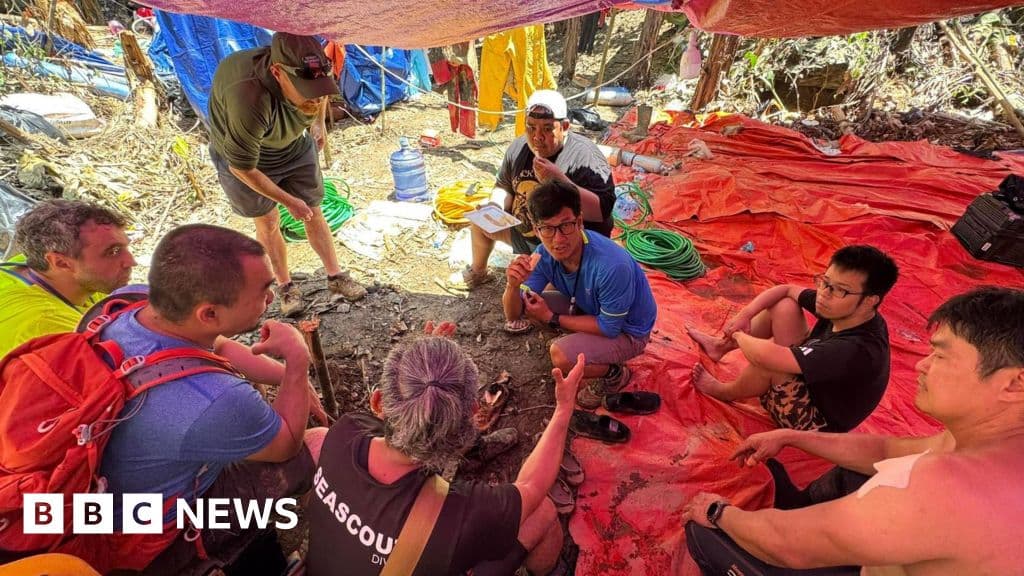
Survivors of the Laos cave rescue are aiding efforts to find the last two missing men trapped inside, sharing crucial insights for the search operation.
BBC World
A year after the tragic Air India crash, the Ali family reflects on grief, unanswered questions, and the enduring bonds of love in the face of loss.
BBC Business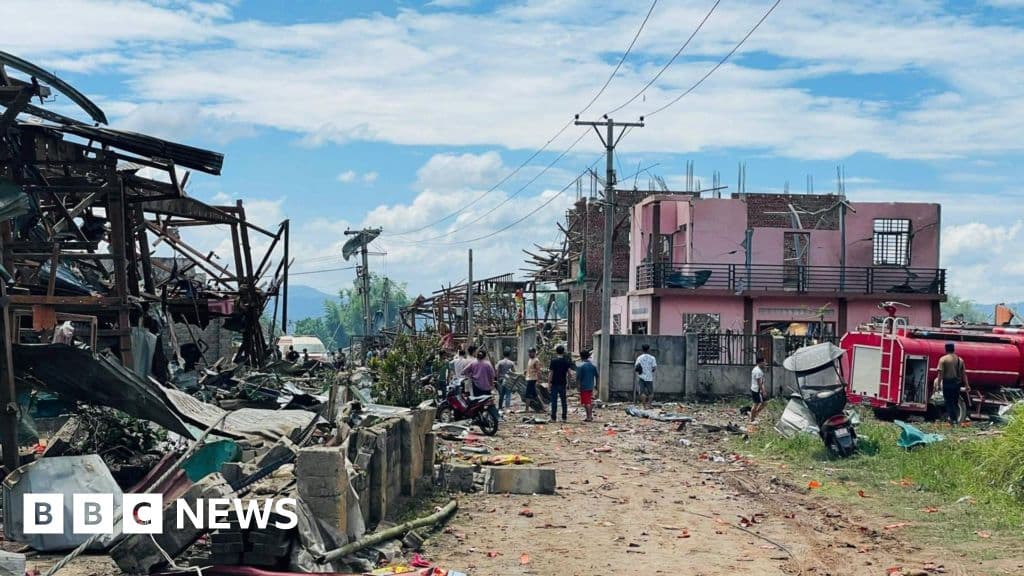
A devastating explosion in Myanmar's Kaung Tat village has killed at least 55 people, raising serious safety concerns and questions about civilian protection in conflict zones.
BBC World