

Image: Times of India
India is turning to the US for LPG supplies as disruptions in the Strait of Hormuz continue. Discover how this impacts energy security and global markets.
GlipzoIn a significant move reflecting the growing LPG crisis, India is seeking support from the United States to secure its liquefied petroleum gas supplies. This decision comes as disruptions in the Strait of Hormuz continue to impact global shipping routes, raising concerns about energy availability in one of the world's largest consumers of LPG. The urgency of the situation has prompted the Indian government to explore alternative avenues to stabilize its energy needs.
As of late 2023, the situation in the Strait of Hormuz, a crucial chokepoint for oil and gas transportation, has become increasingly precarious. Approximately 20% of the world's oil passes through this narrow passage, and any disruption can lead to significant fluctuations in global energy prices. India, heavily reliant on imports for its LPG requirements, has been particularly vulnerable to these market shifts.
In response to the ongoing disruptions, Indian officials have initiated discussions with their American counterparts to bolster LPG supplies. The aim is to ensure a steady flow of this essential fuel for cooking and heating, particularly as the winter months approach when demand typically rises. Experts warn that without timely interventions, prices could soar, impacting millions of households across the country.
The implications of India's strategic pivot to the US for LPG supplies are manifold. Firstly, securing a reliable source of LPG is essential for maintaining energy security in India, which has seen a rapid increase in domestic consumption. A significant portion of the population relies on LPG for cooking, and any supply shortfall could lead to public unrest and increased hardship for many families.
Furthermore, the shift to US supplies may also signify a broader trend in India's foreign energy policy. By diversifying its sources, India can reduce its dependency on specific regions, particularly the Middle East, which has been fraught with geopolitical tensions. This strategic move could enhance India's energy resilience and safeguard its economy against potential shocks in the future.
The United States has emerged as a key player in global energy markets, particularly with its rise as a leading producer of natural gas and LPG. As a result, India is keen on tapping into this vast resource base. Recent discussions between Indian and US officials have highlighted the potential for increased exports of LPG from America to India, which could help alleviate the current crisis.
The global markets have reacted to the news of India's negotiations with the US. Analysts suggest that any agreements could stabilize prices and restore confidence in the LPG supply chain. However, it remains to be seen how quickly these supplies can be mobilized amidst ongoing geopolitical tensions.
As the situation evolves, the Indian government is urged to act promptly to finalize arrangements with the US and ensure that they can secure the necessary supplies before the peak winter demand begins. This urgency is compounded by the fact that the LPG crisis isn't merely an economic issue; it holds significant implications for public safety and social stability.
As India navigates these challenges, several key developments should be monitored: - Negotiation Outcomes: Watch for any announcements regarding agreements between India and the US on LPG supplies. - Market Responses: Keep an eye on how global markets react to these developments, particularly concerning LPG prices. - Energy Policy Shifts: Observe any long-term strategic changes in India's energy policy stemming from this crisis, especially in terms of diversification of sources. - Domestic Reactions: Public response to any potential supply disruptions could influence government actions and policy changes.
In conclusion, India's decision to seek LPG supplies from the US amidst ongoing disruptions in the Strait of Hormuz underscores the critical nature of energy security in today's global landscape. As the world's demands for energy continue to evolve, India's proactive measures could serve as a model for other nations facing similar challenges.
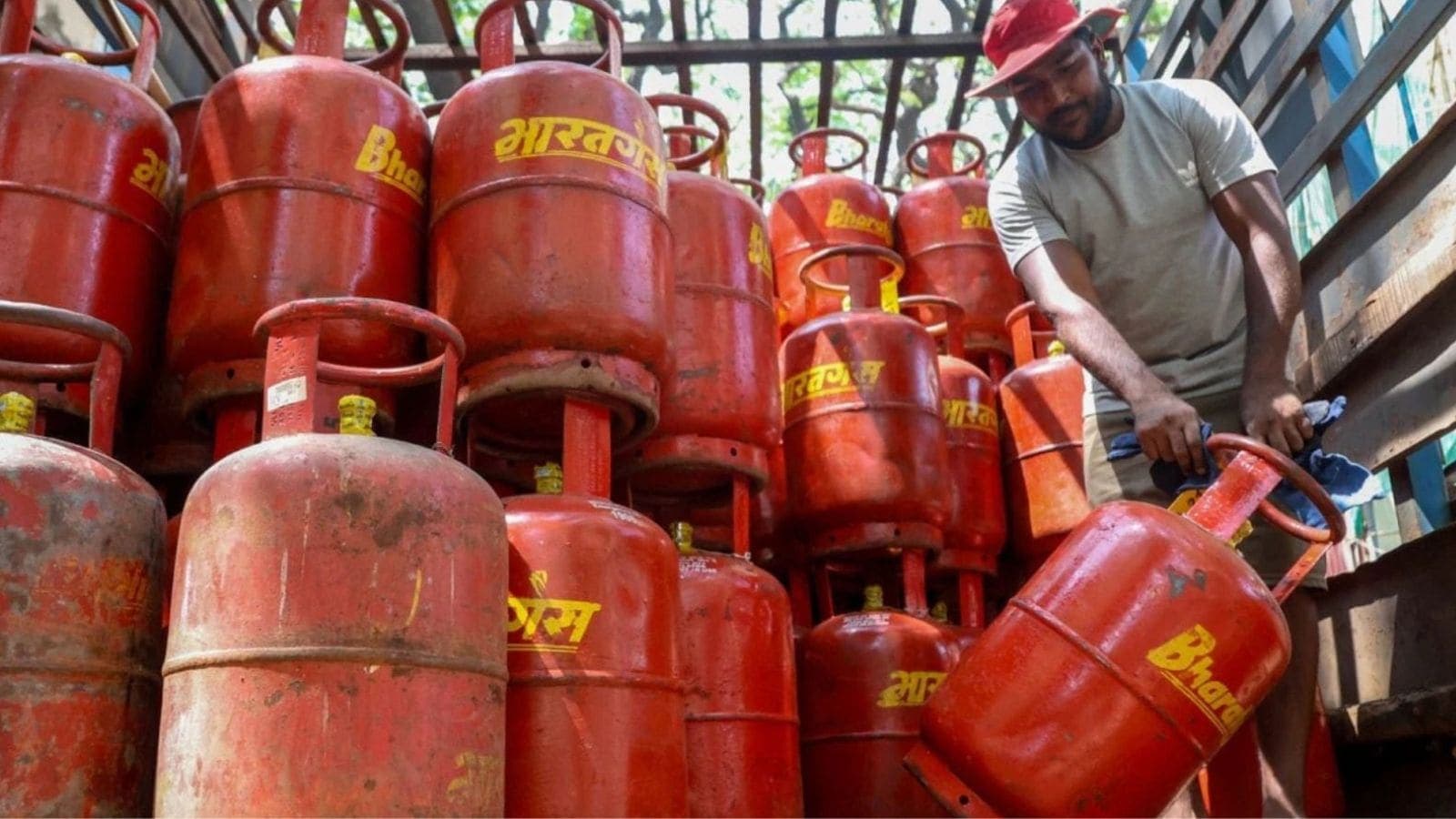
Commercial LPG prices have risen again, with increases of ₹42 in Delhi and ₹53.50 in Kolkata impacting businesses and consumers alike. Find out more.
Indian Express
Discover how a tragic coal mine explosion in Shanxi, China, reveals ongoing safety concerns in the industry amidst a push for green energy.
BBC Business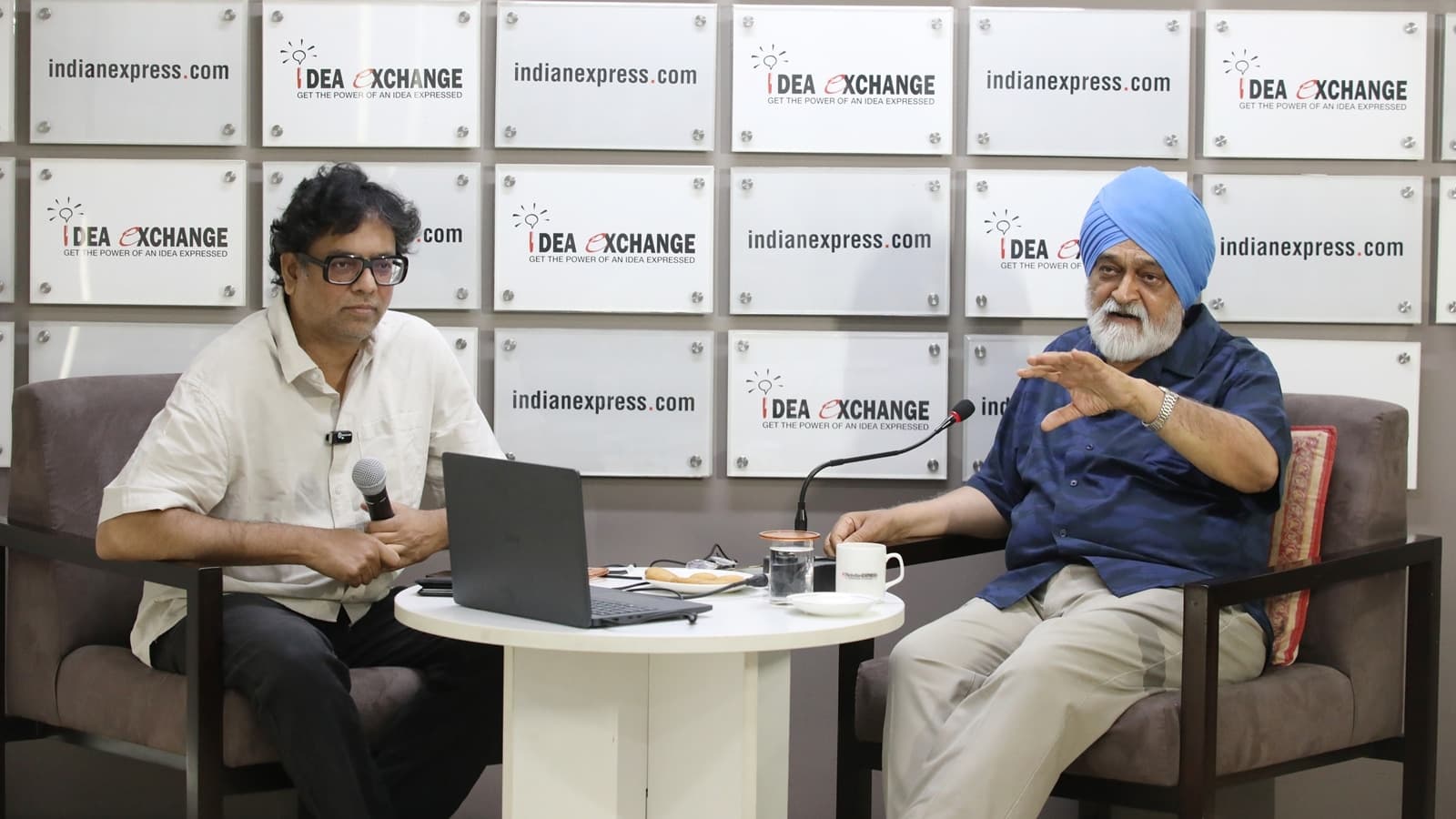
Montek Singh Ahluwalia highlights key economic challenges for India, emphasizing the need for a strategic approach to balance payments and investment.
Indian Express